
Advantages of Pulp Produce Trays for Sustainable BusinessAdvantages of Pulp Produce Trays for Sustainable Business
The fresh produce industry is undergoing a green revolution in 2025, with pulp packaging emerging as the preferred solution for conscientious growers and retailers. These innovative trays, crafted from recycled paper fibers and agricultural byproducts, offer far more than just environmental benefits—they represent a complete rethinking of how we protect and present fruits and vegetables from farm to table.
As consumer demand for sustainable options reaches new heights and plastic regulations tighten globally, molded pulp trays provide the perfect intersection of functionality, economics, and planet-friendly design. This deep dive explores why leading produce brands are making the switch and how these humble containers are transforming the grocery aisle.
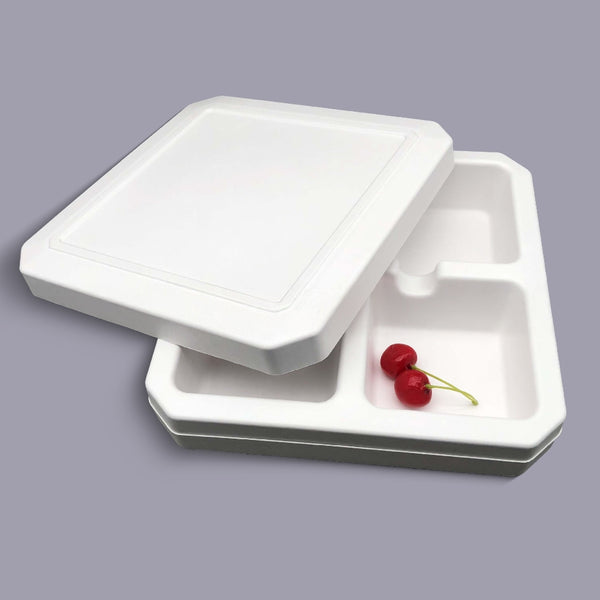
The transition from plastic clamshells to pulp packaging represents more than just an environmental upgrade—it's a functional improvement that directly benefits produce quality and supply chain efficiency. Modern pulp trays are engineered with advanced molding techniques that create custom cradles for each fruit or vegetable variety, reducing movement and bruising during transport.
Natural Moisture Regulation: Unlike plastic, pulp fibers naturally absorb and release moisture, creating an ideal microclimate that extends shelf life by 1-3 days for many produce items.
2025 market research shows that 68% of consumers perceive produce in pulp trays as fresher and higher quality compared to plastic alternatives—a powerful psychological advantage at point of sale.
The structural advantages are equally compelling. Pulp tray designs now incorporate reinforced edges and strategic ribbing that provide superior stacking strength while using 30% less material than previous generations. This evolution addresses historical concerns about durability while maintaining the lightweight advantage that reduces shipping costs.
| Benefit | Impact | 2025 Innovation |
|---|---|---|
| Biodegradability | 90-day decomposition vs. 450 years for plastic | Agricultural waste fibers replacing wood pulp |
| Produce Protection | 27% less damage vs. plastic clamshells | 3D-molded shapes for delicate berries |
| Breathability | Extends freshness by 18-36 hours | Variable porosity for different produce types |
| Cost Efficiency | 15-20% cheaper than premium plastic | Localized production from recycled materials |
| Brand Enhancement | 73% of consumers prefer sustainable packaging | Custom embossing and water-based dyes |
Supply chain analysis reveals that switching to pulp trays can reduce overall packaging costs by 12-18% when factoring in reduced waste, lower shipping weights, and eliminated plastic taxes now implemented in 14 countries. The pulp packaging industry's localized production model further cuts transportation emissions by 40% compared to centralized plastic manufacturing.
2025's advanced pulp tray technology allows for unprecedented customization based on produce characteristics:
For Delicate Fruits: Soft-edge designs with micro-perforations prevent bruising while allowing ethylene gas escape
For Root Vegetables: Heavy-duty construction with absorbent pads to handle soil and moisture
For Citrus Fruits: Anti-roll contours with ventilation channels to prevent mold
For Leafy Greens: Shallow trays with humidity control features to maintain crispness
The latest innovation? Smart pulp trays embedded with pH-sensitive indicators that change color when produce begins to spoil, reducing food waste at retail and consumer levels.
For businesses considering the switch to pulp trays, 2025 offers more support than ever before:
Phased Implementation: Many suppliers now offer trial programs with small batches to test performance
Equipment manufacturers have developed retrofit kits that allow existing packing lines to handle pulp packaging with minimal downtime, typically completing conversion in a single shift.
Marketing Support: Complete sustainability claims packages with verified carbon footprint data
New digital tools simulate how different pulp tray designs will perform throughout the supply chain before committing to production, reducing development risks.