Plush Toy Suppliers and Safety Standards: What You Need to KnowPlush Toy Suppliers and Safety Standards: What You Need to Know
Plush toys—whether teddy bears, stuffed animals, or character dolls—are a staple in children's lives and cherished by many adults. But behind the soft fabric and friendly faces lies a complex process involving sourcing, manufacturing, and most importantly, safety. For retailers, manufacturers, or consumers, understanding plush toy suppliers and the safety standards that govern these products is crucial to ensuring both quality and child safety.
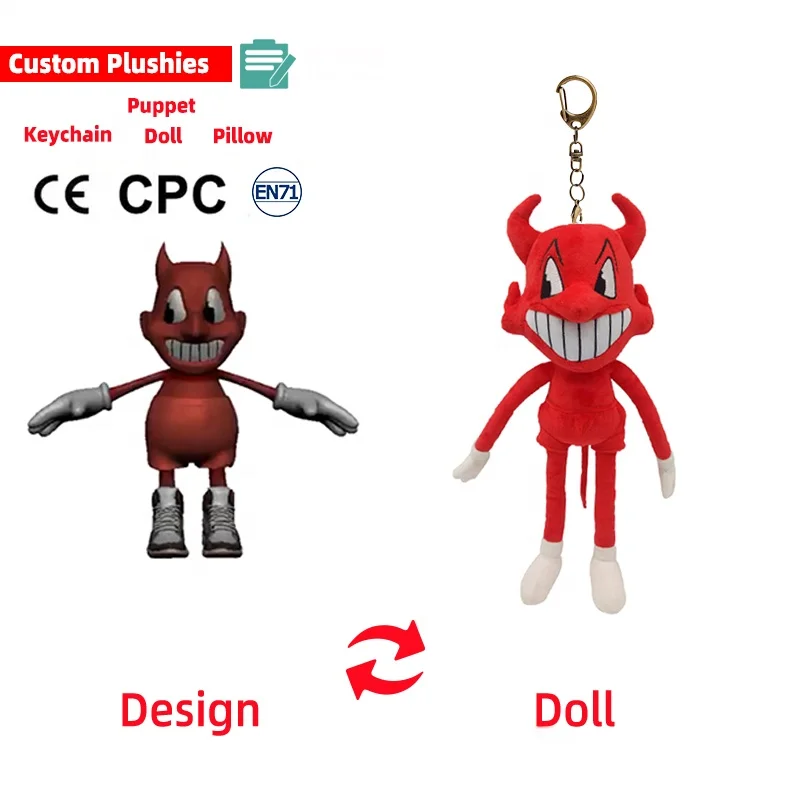
The Role of Custom Plush Doll
Plush toy suppliers are the link between manufacturers and the market. They are responsible for providing retailers and brands with finished or semi-finished soft toys. These suppliers might be independent companies specializing in toy production, or large factories in regions like China, Vietnam, or India, where most global plush toy manufacturing takes place.
Choosing a reputable supplier means more than just evaluating costs and lead times—it’s also about ensuring compliance with safety and ethical manufacturing standards. A good supplier will provide full transparency regarding the materials used (fabrics, stuffing, dyes), manufacturing processes, and testing protocols. Many also offer customization options for branding and packaging, but these features should never come at the expense of safety or ethical practices.
Why Safety Standards Matter
Plush toys are often marketed to young children, making safety an absolute priority. Governments and regulatory bodies have set specific safety guidelines for plush toys to minimize risks such as choking, toxicity, and flammability. These include:
-
ASTM F963 (U.S.): This standard, enforced by the Consumer Product Safety Commission (CPSC), outlines requirements for toy safety, including mechanical hazards, labeling, and chemical content.
-
EN71 (Europe): A European standard that covers mechanical and physical properties, flammability, and the migration of certain elements from materials.
-
ISO 8124 (International): Used in many countries, this standard evaluates similar safety criteria.
-
CPSIA (U.S.): The Consumer Product Safety Improvement Act also requires third-party lab testing for products intended for children under 12.
Suppliers must adhere to these standards to legally distribute toys in various markets. Failure to do so can result in product recalls, legal penalties, and severe brand damage.
What to Look for in a Plush Toy Supplier
When choosing a plush toy supplier, businesses should conduct thorough due diligence:
-
Certifications – Always ask for up-to-date safety compliance certificates, including proof of third-party lab testing.
-
Material Transparency – Ensure that all materials used are non-toxic, hypoallergenic, and safe for children.
-
Factory Audits – Check if the supplier has passed social compliance audits like BSCI or SEDEX, ensuring fair labor practices and safe working conditions.
-
Customization with Compliance – If developing custom toys, make sure the supplier can maintain safety standards even with unique designs or materials.
-
Traceability – Reputable suppliers can provide documentation on every part of the toy’s supply chain.
Conclusion
As adorable and comforting as plush toys are, they must be held to the highest safety standards. Whether you're a retailer sourcing products or a consumer buying for a child, it’s important to understand how suppliers operate and what regulations govern the toys we trust. By choosing responsible suppliers and insisting on certified safety, we ensure that plush toys bring only joy—never harm.