Lallan Terna Magica Health & Fitness Kontribusi Gas Medis dalam Meningkatkan Efektivitas Diagnosis, Terapi, dan Pemulihan Pasien di Layanan Kesehatan Modern

Kontribusi Gas Medis dalam Meningkatkan Efektivitas Diagnosis, Terapi, dan Pemulihan Pasien di Layanan Kesehatan Modern

Gas medis merupakan komponen penting dalam sistem pelayanan kesehatan modern. Keberadaannya tidak hanya mendukung tindakan klinis sehari-hari, tetapi juga berperan strategis dalam meningkatkan akurasi diagnosis, efektivitas terapi, serta mempercepat proses pemulihan pasien. Gas medis didefinisikan sebagai gas atau campuran gas yang diproduksi secara khusus dengan standar kemurnian tinggi untuk keperluan medis. Beberapa contoh instalasi gas laboratorium yang umum digunakan antara lain oksigen (O₂), nitrogen (N₂), nitrous oxide (N₂O), udara medis, dan karbon dioksida (CO₂).

Dalam konteks diagnosis, gas medis memiliki peran yang signifikan, terutama pada prosedur penunjang seperti pencitraan dan endoskopi. Karbon dioksida, misalnya, sering digunakan dalam prosedur laparoskopi dan kolonoskopi untuk mengembangkan rongga tubuh sehingga organ dapat terlihat lebih jelas. Penggunaan CO₂ lebih disukai karena mudah diserap tubuh dan mengurangi rasa tidak nyaman pascaprosedur. Selain itu, gas radioaktif tertentu dalam dosis sangat kecil dimanfaatkan pada pemeriksaan kedokteran nuklir untuk membantu mendeteksi gangguan fungsi organ secara lebih akurat. Dengan dukungan gas medis yang tepat, tenaga kesehatan dapat memperoleh hasil diagnosis yang lebih presisi dan aman bagi pasien.

Pada aspek terapi, gas medis memainkan peran yang sangat krusial. Oksigen merupakan gas medis yang paling banyak digunakan dan menjadi terapi utama bagi pasien dengan gangguan pernapasan, penyakit jantung, trauma, hingga kondisi kritis di ruang perawatan intensif. Pemberian oksigen yang terkontrol membantu meningkatkan saturasi oksigen dalam darah, menjaga fungsi organ vital, serta mencegah komplikasi yang lebih berat. Selain itu, nitrous oxide sering dimanfaatkan sebagai agen analgesik dan anestesi ringan, khususnya dalam tindakan bedah minor dan perawatan gigi. Gas ini membantu mengurangi nyeri dan kecemasan pasien tanpa harus menggunakan obat bius yang lebih kuat.

Udara medis dan nitrogen juga memiliki fungsi penting dalam terapi dan operasional rumah sakit. Udara medis digunakan pada ventilator dan alat bantu pernapasan, sedangkan nitrogen berperan dalam menggerakkan peralatan medis serta menjaga stabilitas dan keamanan sistem penyimpanan gas. Keandalan pasokan gas medis ini sangat menentukan keberhasilan terapi yang diberikan kepada pasien, terutama pada situasi darurat dan perawatan jangka panjang.

Selain diagnosis dan terapi, gas medis berkontribusi besar dalam pemulihan pasien. Pasien yang mendapatkan terapi oksigen secara optimal umumnya mengalami peningkatan energi, kualitas tidur yang lebih baik, serta pemulihan jaringan yang lebih cepat. Dalam perawatan pascaoperasi, penggunaan gas medis yang tepat membantu menstabilkan kondisi pasien, mengurangi risiko infeksi, dan mempercepat proses rehabilitasi. Di bidang perawatan paliatif, oksigen juga berperan penting dalam meningkatkan kenyamanan dan kualitas hidup pasien dengan penyakit kronis atau terminal.

Kontribusi gas medis tidak terlepas dari aspek keselamatan dan standar mutu. Karena langsung berhubungan dengan tubuh manusia, gas medis harus memenuhi standar internasional terkait kemurnian, penyimpanan, dan distribusi. Sistem instalasi gas medis di rumah sakit dirancang untuk memastikan pasokan yang kontinu, aman, dan sesuai kebutuhan klinis. Pelatihan tenaga kesehatan dalam penggunaan gas medis juga menjadi faktor penting untuk mencegah kesalahan dan meningkatkan efektivitas pelayanan.

Secara keseluruhan, gas medis merupakan fondasi penting dalam pelayanan kesehatan modern. Perannya yang menyeluruh, mulai dari mendukung diagnosis yang akurat, meningkatkan efektivitas terapi, hingga mempercepat pemulihan pasien, menjadikan gas medis sebagai elemen yang tidak tergantikan. Dengan pengelolaan yang tepat dan berstandar tinggi, gas medis akan terus berkontribusi dalam meningkatkan mutu layanan kesehatan dan keselamatan pasien di masa kini maupun masa depan.

Leave a Reply

Your email address will not be published. Required fields are marked *

Related Post

Checkup Vs. Nonprofessional Dispensary Ganja A Full ComparisonCheckup Vs. Nonprofessional Dispensary Ganja A Full Comparison

Cannabis is no thirster a one-size-fits-all product. With legalisation spreading across quintuple regions, dispensaries now to two distinguishable types of consumers: checkup patients and recreational users. While both groups buy in cannabis, the undergo, products, and regulations can importantly. Whether you re a first-time buyer or just curious about the differences, understanding health chec versus unpaid dispensary marihuana is key to qualification wise choices.

1. The Purpose Behind the Purchase

The most open between health chec and amateur cannabis lies in why people use it.

  • Medical marijuana: This is primarily used to regale health conditions, such as degenerative pain, anxiousness, insomnia, sickness from chemotherapy, or nonuple sclerosis symptoms. Patients often seek particular strains or formulations that provide targeted curative effects.

  • Recreational marihuana: The goal here is use, ease, creative thinking, or social sweetening. Users may be interested in mood-lifting, try-reducing, or happy experiences rather than strictly medicinal benefits.

While unpaid users may also undergo wellness benefits, checkup ganja is designed with cure outcomes in mind.

2. Legal Requirements

Medical marijuana often comes with stricter regulations than recreational marihuana:

  • Medical dispensaries: Patients typically need a medical examination cannabis card or s recommendation. This allows access to higher-potency products, specialised strains, and sometimes tax benefits.

  • Recreational dispensaries: Adults(usually 21) can buy up New Baltimore dispensary without a ethical drug. Regulations may vary by put forward, but nonprofessional buyers in the main have limits on the amount they can possess.

Legal differences control that patients with real checkup needs have priority access and tribute under the law.

3. Product Variety and Potency

Both types of dispensaries volunteer a wide straddle of products flowers, edibles, oils, tinctures, topicals, and vapes but there are guiding light differences:

  • Medical cannabis: Often features strains with high CBD content and carefully sounded THC levels for symptom management. Products may be plain to particular ailments, such as sleep late aids, pain succor, or anti-inflammatory effects.

  • Recreational cannabis: Typically focuses on THC-rich strains to raise the psychotropic go through. Flavors, aromas, and potency may be emphatic over therapeutic properties.

Medical ganja can also include specialised formulations like capsules or body covering patches, studied for fine dosing and uninterrupted succor.

4. Price and Taxation

Another is cost:

  • Medical ganja may be tax-exempt or taxed at a lower rate in some regions, making it more low-priced for patients who need uniform get at.

  • Recreational marijuana often comes with higher taxes, which can increase the damage per gram or per product.

This remainder reflects the societal goal of making medical get at easier while regulation nonprofessional use.

5. Consumption Guidance

Dispensary stave, known as budtenders, cater direction to both medical exam and unpaid consumers but health chec users often receive more personalized subscribe:

  • Medical dispensaries: Budtenders may talk over symptoms, urge specific THC CBD ratios, and help patients finagle dosages safely. They are trained to serve users who may have checkup needs.

  • Recreational dispensaries: Staff usually focalise on flavor profiles, effects, and overall user go through. Guidance is more modus vivendi-oriented than medically elaborate.

This personal go about can make a huge difference in achieving craved outcomes, especially for new patients.

6. Accessibility and Flexibility

Medical cannabis offers advantages for habitue users:

  • Higher buy up limits: Patients may be allowed to buy large quantities for ongoing handling.

  • Strain selection: Some high-CBD or high-potency products are reserved for medical exam users.

Recreational users may face stricter measure restrictions and might not have access to some specialised products.

7. Choosing the Right Option

Deciding between medical checkup and nonprofessional marihuana comes down to your goals:

  • If you re looking for curative succour, want homogeneous dosing, and may benefit from tax exemptions, checkup marihuana is likely your best choice.

  • If your goal is unplanned use, social use, or experiment, amateur marihuana offers tractability, fun strains, and variety.

For beginners, visiting a dispensary and speech production with knowing stave can clear up which path suits your modus vivendi and needs.

Final Thoughts

Medical and amateur dispensary ganja serve different but sometimes overlapping purposes. Understanding the distinctions can help you make knowledgeable decisions, whether for wellness, wellness, or recreation.

Medical marihuana prioritizes curative personal effects, thermostated dosing, and legal protections, while unpaid marijuana focuses on enjoyment, season, and experience. Both are now safer, higher-quality, and more available than ever thanks to licenced dispensaries.

Whether you re seeking succor, relaxation, or a of both, the earthly concern offers a product trim to your life-style. Educate yourself, ask questions, and search responsibly the right pick is the one that aligns with your goals and needs.

The Future Of Wireless Medical EquipmentThe Future Of Wireless Medical Equipment

In a world where speed, precision, and accessibility define the quality of healthcare, the rise of wireless medical equipment is nothing short of revolutionary. Imagine a future where life-saving diagnostics, real-time patient monitoring, and remote treatment happen without a single cord in sight. That future isn’t decades away—it’s unfolding now.

From wearable heart monitors to portable imaging tools, wireless technology is transforming how care is delivered and received. The days of bulky, tethered machines are fading, giving way to sleek, smart devices that empower both doctors and patients.

This shift is especially critical in rapidly growing healthcare hubs like Medical equipments delivery in Plano texas, where demand for faster, smarter solutions is surging. Wireless devices don’t just collect data—they analyze, transmit, and act on it in milliseconds.

They connect patients in rural homes to specialists in advanced urban hospitals. They reduce hospital stays, cut costs, and save lives. And as 5G and AI continue to evolve, these tools will become even more intelligent and accessible. Healthcare is no longer confined to the walls of a hospital. The future is mobile, connected, and alive with possibility—and wireless medical equipment is leading the charge.

What Is Wireless Medical Equipment?

Wireless medical equipment refers to tools and devices used in healthcare that operate without traditional wired connections. These devices collect, transmit, and sometimes even analyze medical data using wireless technologies such as:

  • Bluetooth

  • Wi-Fi

  • Cellular networks (3G, 4G, 5G)

  • RFID (Radio-frequency identification)

  • ZigBee and Z-Wave (for short-range device communication)

These tools can be wearable, portable, or implantable, and they are reshaping how healthcare professionals interact with patient data in real time. The shift from wired to wireless isn't just about convenience—it’s about better outcomes, fewer hospital visits, and continuous monitoring that was once impossible.

Why Wireless? The Core Benefits

1. Mobility and Freedom for Patients

Imagine a cardiac patient walking freely at home while their heart data is being monitored continuously. Wireless medical equipment empowers patients to live fuller lives while still being under clinical observation.

2. Remote Monitoring and Telecare

Doctors no longer need to wait for a clinic visit to see how a patient is doing. Remote tools transmit vital signs directly from the patient's location to a clinician’s dashboard. This real-time data can prompt earlier interventions and even prevent hospital readmissions.

3. Data-Driven Insights

When devices collect health data continuously, clinicians gain better insights into trends and irregularities. This holistic view enables more precise diagnoses, treatments, and predictions.

4. Reduced Risk of Infection

Fewer wires mean fewer touchpoints for bacteria to spread—especially critical in intensive care units and during surgical recovery.

5. Efficiency for Healthcare Staff

Healthcare professionals spend less time on routine measurements and more on patient-centered tasks. Data can be automatically uploaded to electronic health records (EHRs), reducing human error and saving time.

Emerging Technologies Leading the Charge

Wearables

Smartwatches and fitness trackers are evolving into FDA-approved medical tools. Devices like the Apple Watch now detect atrial fibrillation, while others track glucose levels, blood pressure, and oxygen saturation.

Implantable Sensors

Tiny chips embedded in the body can monitor internal conditions like pressure in heart valves or glucose in diabetics. These medical equipment pieces provide ongoing data without the need for patient interaction.

Portable Ultrasounds and Imaging

Wireless handheld ultrasound devices connect to tablets or phones. These tools offer instant imaging in remote settings, rural clinics, or emergency scenes.

Wireless Infusion Pumps

These allow medication to be administered and controlled remotely, improving treatment accuracy for chemotherapy, antibiotics, and insulin.

Smart Inhalers and Drug Delivery Systems

These devices ensure adherence by tracking when, how often, and how accurately a patient uses their inhaler or medication.

Wireless Devices in Action: Use Cases

Cardiology

  • Wearable ECG Monitors detect abnormal rhythms and transmit them instantly.

  • Implantable defibrillators now communicate with clinics through home hubs.

Diabetes Management

  • Continuous Glucose Monitors (CGMs) like Dexcom and FreeStyle Libre send real-time data to mobile apps, enabling precise insulin dosing.

Pulmonary Care

  • Wireless spirometers and oxygen sensors help manage chronic obstructive pulmonary disease (COPD) and asthma.

Elderly and Fall Detection

  • Smart pendants and motion sensors automatically alert emergency services if an elderly person falls.

Sleep Apnea

  • Wireless CPAP machines and diagnostic headbands track sleep quality and breathing patterns.

Integration With Telemedicine

Telemedicine and wireless medical equipment go hand in hand. A virtual consultation becomes significantly more effective when paired with real-time vitals and diagnostic data from the patient.

Benefits of Integration:

  • Enhanced Diagnosis

    Remote consultations become rich with biometric data.

  • Patient Engagement

    Patients become active participants in their care.

  • Continuity of Care

    Wireless data fills the gap between appointments.

This synergy allows clinicians to move from reactive care to proactive, preventive healthcare, reshaping how diseases are treated.

Security and Privacy Concerns

With innovation comes risk. Wireless medical equipment handles sensitive data that must be protected.

Key Concerns:

  • Data breaches

    Wireless transmissions are vulnerable to interception.

  • Unauthorized access

    Hackers could potentially disrupt device function.

  • Regulatory compliance

    Devices must meet HIPAA (USA), GDPR (EU), and other global privacy standards.

Solutions:

  • End-to-end encryption

  • Two-factor authentication for device access

  • Regular firmware updates to patch vulnerabilities

Healthcare providers and manufacturers must collaborate to ensure that while data flows freely, it remains secure and confidential.

The Role of AI and Data Analytics

When connected to cloud platforms, medical equipment becomes exponentially more powerful. Enter AI and big data analytics.

How AI Adds Value:

  • Predictive modeling to foresee heart attacks or diabetic episodes

  • Pattern recognition in imaging to detect tumors early

  • Behavioral analysis in mental health tracking

AI transforms raw data from wireless devices into actionable insights, helping clinicians make faster, smarter decisions.

Challenges in Adoption and Regulation

Despite the promise, challenges remain:

1. Standardization

There’s a lack of universal standards for wireless devices, which makes integration into EHR systems complex.

2. Battery Life and Power Management

Portable and implantable devices require long-lasting power sources. Advancements in bio-batteries and energy harvesting are underway.

3. Access and Equity

High-tech medical equipment is often out of reach for rural or underserved populations. Bridging this digital divide is essential.

4. Training and Workflow

Clinicians must be trained to interpret the data and integrate it into their decision-making processes without being overwhelmed.

The Economic Impact of Wireless Medical Equipment

For Healthcare Systems:

  • Reduced hospital stays

  • Lower readmission rates

  • Fewer emergency visits

These contribute to cost savings that are passed on to insurers and patients.

For Device Manufacturers:

  • A multi-billion-dollar market is emerging for wireless medical equipment, with innovations in sensors, chips, and AI.

For Patients:

  • Improved access, lower costs, and more control over their health journeys.

The Road Ahead: Predictions for the Next Decade

1. Nanotechnology Integration

Imagine a wireless nanosensor detecting cancer at the molecular level—before any symptoms arise.

2. 5G-Powered Remote Surgeries

With near-zero latency, remote robotic surgeries will become more feasible and safer.

3. Smart Hospitals and AI Command Centers

Every patient, device, and metric will be connected. AI will triage patients in real time, manage bed flow, and even flag emergencies before they happen.

4. Decentralized Care

Care won’t just come to your home—it’ll follow you everywhere. Your medical equipment might live in your watch, glasses, or even your clothing.

Conclusion

Wireless medical equipment is not a trend—it’s a revolution. It represents a profound shift in how we approach health: from reactive treatment to proactive, personalized care. It’s about reducing friction between patient and provider, between symptom and solution. It’s about healthcare that’s always on, always aware, and always adapting.

In the coming years, expect to see hospitals without walls, doctors with data at their fingertips, and patients equipped with tools that empower them rather than bind them. But to get there, we must invest in infrastructure, enforce robust data protections, and ensure that innovation benefits everyone—not just the tech-savvy or the affluent.

FAQs about Medical Equipment

What is the future of medical equipment?

The future of medical equipment is moving toward smarter, more connected, and highly personalized technologies. We’re already seeing devices that can monitor vital signs in real-time, detect diseases earlier, and even assist in surgeries using robotic precision.

Over the next few years, artificial intelligence (AI) and machine learning will play a huge role in helping doctors make quicker and more accurate diagnoses by analyzing data from medical devices more efficiently than ever before. These smart systems will help reduce human error and improve patient outcomes.

Another important shift is the miniaturization of equipment. Bulky machines are being replaced with compact, portable tools that can be used at home or in remote areas. This will make healthcare more accessible and reduce the need for hospital visits.

Sustainability and energy efficiency are also becoming priorities, with developers creating eco-friendly devices that use less power and last longer. In the future, we can expect medical equipment to not only be more advanced but also more user-friendly, affordable, and connected to digital health ecosystems.

What is the future of wireless technology?

The future of wireless technology is full of possibilities that will impact every part of our lives, especially healthcare, communication, and transportation. Faster wireless networks like 5G and upcoming 6G will offer incredibly high-speed internet, allowing for real-time data sharing without delays. This will be especially useful for things like remote surgeries, virtual reality, and live video consultations between doctors and patients in different parts of the world.

We’ll also see the rise of smart homes, self-driving cars, and more intelligent cities that rely on wireless communication to function efficiently. With the Internet of Things (IoT), billions of devices will talk to each other wirelessly, from fridges to fitness trackers to traffic lights.

However, as these systems grow, there will be a greater focus on security, reliability, and managing the large volumes of data being transferred. In short, wireless technology will become faster, smarter, and more essential to daily life.

What is the future of medical wearables?

Medical wearables have a bright future ahead, evolving into powerful health monitoring tools that go far beyond fitness tracking. In the coming years, these devices will continuously track vital signs like heart rate, blood pressure, oxygen levels, and even blood sugar—all in real time. This data will be sent to doctors instantly, allowing for early detection of serious health conditions and quick responses, even before symptoms appear. Imagine a smartwatch that warns you of an irregular heartbeat before you even feel unwell.

Another exciting development is personalized medicine through wearable tech. These devices will help tailor treatments to individual patients based on their unique health data. There’s also growing interest in integrating wearables with AI to predict health risks, manage chronic conditions like diabetes, and support mental wellness through mood tracking and stress management. With future advancements, medical wearables will not just monitor health—they’ll help prevent illness and keep people healthier for longer.

What is a wireless medical device?

A wireless medical device is a piece of healthcare equipment that works without physical cables or wires. It uses wireless technologies like Bluetooth, Wi-Fi, or cellular networks to send health data from the patient to a healthcare provider or a secure cloud system. For example, a wireless glucose monitor can check a person’s blood sugar levels and send that information directly to their doctor, all without needing a hospital visit.

These devices are often portable, easy to use, and designed for both clinics and at-home care. They can monitor heart rate, oxygen levels, activity levels, and more. Wireless medical devices are especially helpful for patients with chronic conditions because they allow continuous tracking without interrupting daily life. As these devices become more advanced, they’ll offer faster communication, better accuracy, and improved convenience for both patients and doctors.

What are the examples of wireless equipment?

There are many types of wireless equipment used across different fields, especially in healthcare. In the medical world, some common examples include wireless heart rate monitors, wearable ECG patches, glucose monitors, smart inhalers, and remote blood pressure cuffs. These devices can collect health data and transmit it instantly to healthcare providers using Wi-Fi or Bluetooth.

Outside of healthcare, wireless equipment includes items like wireless routers, Bluetooth headphones, Wi-Fi-enabled security cameras, and wireless printers. Even modern smartwatches, wireless keyboards, and drones are part of this group. The main feature of wireless equipment is that it connects and communicates without the need for physical wires, making life more convenient and helping systems run more smoothly.

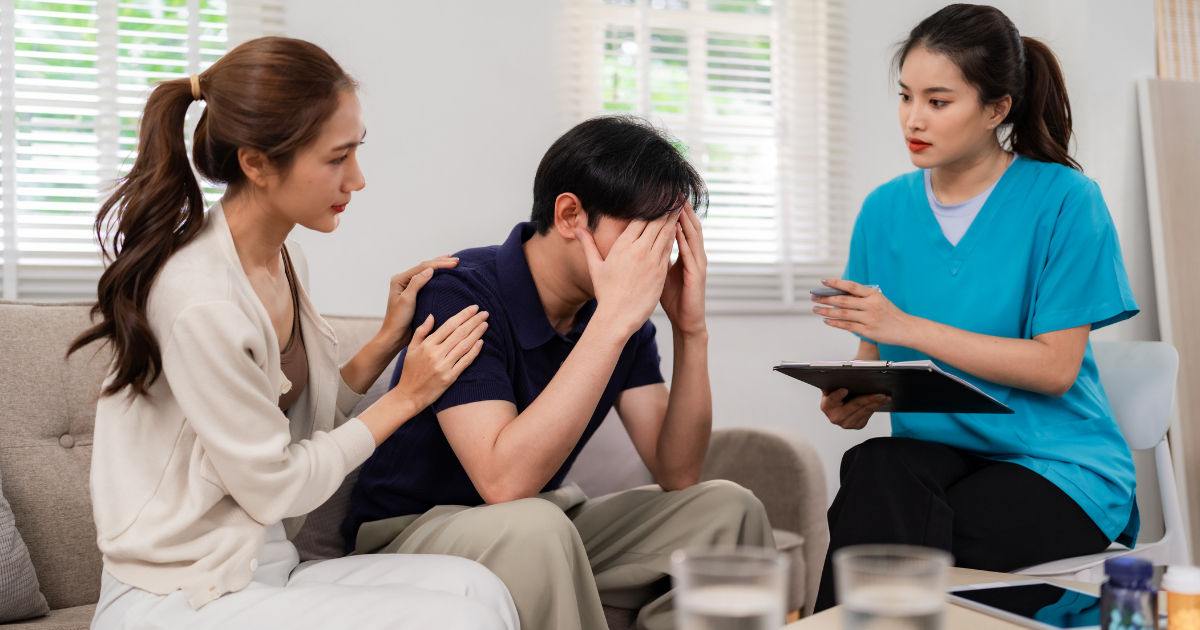
Stages of outpatient detox treatmentStages of outpatient detox treatment

When someone struggles with substance abuse, seeking help is a crucial first step toward recovery.

One of the most effective ways to begin this journey is through an outpatient detox center.

Unlike inpatient programs, outpatient detox allows patients to receive medical supervision while maintaining their daily routines, offering a balance between professional care and personal freedom.

Understanding the stages of outpatient detox treatment is essential for patients and their loved ones to navigate the recovery process successfully.

What Is Outpatient Detox?

Outpatient detox is a medically supervised process that helps individuals safely eliminate addictive substances from their bodies. Unlike residential programs where patients stay overnight, outpatient detox allows them to attend scheduled appointments while returning home each day. This approach is particularly beneficial for those who have supportive home environments, work commitments, or school responsibilities.

An outpatient detox center provides a structured framework, including medical assessments, personalized treatment plans, therapy sessions, and continuous monitoring. These centers focus not only on physical detoxification but also on addressing psychological dependence, making the recovery journey more sustainable.

Benefits of Outpatient Detox

Before diving into the stages of outpatient detox, it is essential to understand why this approach is advantageous:

  • Flexibility: Patients can continue their daily activities while receiving treatment.

  • Cost-effective: Outpatient programs are generally less expensive than inpatient programs.

  • Support system integration: Patients remain close to family and friends, which enhances emotional support.

  • Personalized care: Treatment plans are tailored to individual needs.

An outpatient detox center ensures that patients receive medical supervision while still enjoying the comfort and familiarity of their home environment.

Stage 1: Assessment and Evaluation

The first stage of outpatient detox treatment is the assessment and evaluation phase. This stage is crucial for understanding the patient’s specific needs, medical history, and the severity of their addiction.

Initial Consultation

During the initial consultation, a healthcare professional will:

  • Review medical history and past treatment experiences

  • Conduct a physical examination to assess overall health

  • Evaluate the type, frequency, and duration of substance use

  • Identify potential withdrawal symptoms and risks

This phase helps clinicians develop a personalized treatment plan. For example, someone struggling with alcohol dependency may experience different withdrawal symptoms than someone detoxing from opioids.

Psychological Assessment

Mental health plays a significant role in addiction and recovery. Therefore, a psychological assessment is conducted to:

  • Identify co-occurring mental health conditions like anxiety, depression, or PTSD

  • Determine the patient’s motivation for treatment

  • Assess coping mechanisms and support systems

An outpatient detox center uses this information to design interventions that address both physical and psychological aspects of addiction.

Stage 2: Medical Stabilization

Once the assessment is complete, the next stage is medical stabilization. The goal is to manage withdrawal symptoms safely and comfortably.

Understanding Withdrawal

Withdrawal occurs when the body adjusts to the absence of addictive substances. Symptoms vary depending on the substance and may include:

  • Nausea and vomiting

  • Anxiety and irritability

  • Muscle aches and tremors

  • Insomnia and fatigue

  • Severe cases: seizures or hallucinations

Medical supervision is critical during this stage to prevent complications and ensure patient safety.

Medically Assisted Detox

Some patients may require medications to ease withdrawal symptoms. Commonly prescribed medications include:

  • Benzodiazepines for alcohol withdrawal

  • Methadone or buprenorphine for opioid dependence

  • Clonidine to reduce anxiety and agitation

These medications are carefully monitored by medical professionals in an outpatient detox center to ensure effectiveness and safety.

Stage 3: Counseling and Behavioral Therapy

Detox is not just a physical process; addressing the psychological aspects of addiction is equally important. Counseling and behavioral therapy form the core of outpatient detox treatment.

Individual Therapy

Individual therapy allows patients to explore their addiction in a safe, confidential environment. Therapists may use:

  • Cognitive-behavioral therapy (CBT) to identify and change destructive thought patterns

  • Motivational interviewing to enhance commitment to recovery

  • Stress management techniques to handle triggers

Group Therapy

Group therapy sessions provide a sense of community and shared experience. Patients learn from others’ experiences, develop social support networks, and gain encouragement to stay on track.

Family Therapy

Family involvement is often a key factor in successful recovery. Family therapy helps:

  • Educate loved ones about addiction and recovery

  • Improve communication and support within the family

  • Address enabling behaviors that may hinder progress

An outpatient detox center ensures that therapy sessions are integrated into the patient’s schedule without disrupting daily life.

Stage 4: Relapse Prevention Planning

Relapse prevention is a critical stage in outpatient detox treatment. Addiction is a chronic condition, and the risk of relapse is high without proper planning.

Identifying Triggers

Patients are taught to recognize internal and external triggers, which may include:

  • Stressful situations

  • Social pressure to use substances

  • Emotional distress or depression

Developing Coping Strategies

Effective coping strategies help patients manage cravings and high-risk situations. These strategies may include:

  • Mindfulness and relaxation exercises

  • Developing healthy hobbies and routines

  • Seeking support from friends, family, or support groups

Long-term Support

An outpatient detox center often provides ongoing support through:

  • Follow-up counseling sessions

  • Access to support groups like Narcotics Anonymous or Alcoholics Anonymous

  • Telehealth check-ins for continued guidance

Stage 5: Holistic and Complementary Therapies

Many outpatient programs incorporate holistic therapies to support overall well-being. These therapies address the physical, emotional, and spiritual aspects of recovery.

Nutritional Support

Proper nutrition helps restore the body after substance abuse. Dieticians at an outpatient detox center may recommend:

  • Balanced meals rich in vitamins and minerals

  • Hydration plans to flush out toxins

  • Supplements to correct deficiencies

Physical Activity

Exercise promotes mental and physical health. Patients may engage in:

  • Yoga or meditation for relaxation

  • Strength training or cardio for energy

  • Group fitness classes for social support

Mind-Body Therapies

Mind-body techniques can reduce stress and enhance emotional resilience:

  • Meditation and breathing exercises

  • Acupuncture or massage therapy

  • Art therapy or music therapy for emotional expression

Stage 6: Continuing Care and Aftercare

Detox is only the first step in recovery. Continuing care and aftercare ensure that patients maintain sobriety and prevent relapse.

Outpatient Follow-Up

After the initial detox process, patients continue attending regular follow-ups at the outpatient detox center. These may include:

  • Medication management

  • Therapy sessions

  • Progress evaluations

Support Groups

Ongoing participation in support groups helps patients stay connected and motivated. Group meetings offer:

  • Peer support and accountability

  • Strategies for coping with challenges

  • Encouragement during difficult times

Long-Term Lifestyle Changes

Successful recovery involves adopting long-term lifestyle changes, such as:

  • Establishing a structured daily routine

  • Avoiding environments or people that encourage substance use

  • Pursuing hobbies and interests that promote well-being

Common Challenges in Outpatient Detox

While outpatient detox offers many benefits, patients may face challenges:

  • Withdrawal discomfort: Even with medical support, withdrawal symptoms can be intense.

  • Time management: Balancing appointments with work or school can be stressful.

  • Emotional triggers: Being in familiar environments may trigger cravings.

An outpatient detox center equips patients with the tools and support to overcome these obstacles.

Tips for a Successful Outpatient Detox Experience

To maximize the benefits of outpatient detox, patients can:

  1. Follow the treatment plan diligently: Attend all scheduled appointments and therapy sessions.

  2. Communicate openly: Share any concerns or side effects with medical staff.

  3. Engage family support: Involve loved ones in therapy and recovery activities.

  4. Maintain a healthy lifestyle: Eat nutritious meals, exercise regularly, and get enough sleep.

  5. Develop coping strategies: Learn to manage stress, triggers, and cravings effectively.

Conclusion

Outpatient detox treatment is a safe and effective approach to begin the journey toward recovery from substance abuse. By understanding the stages—from assessment and medical stabilization to counseling, relapse prevention, and aftercare—patients and their families can navigate the recovery process with confidence.

An outpatient detox center provides comprehensive care, addressing both the physical and psychological aspects of addiction. The structured environment, combined with flexibility, personalized treatment plans, and holistic therapies, ensures that patients receive the support they need while maintaining their daily routines.

Recovery is a journey that requires patience, commitment, and support. With the guidance of an outpatient detox center, individuals can overcome the challenges of addiction, develop healthy coping mechanisms, and build a fulfilling, substance-free life.

Surprising Facts About Treatment You Didn’t KnowSurprising Facts About Treatment You Didn’t Know

In the choice treatment domain, the name chiropractic care is a nonclassical one. Many notable checkup professionals practice these therapies at their clinics. People who want to get an operational pain-relief root can seek help in nbsp;Chiropractic Treatment.

However, there are many amazing facts about this interesting orbit of choice handling. Very few populate know about these stunning care facts. While talking about chiropractic, let 39;s know them better.

Chiropractic care for unforeseen injuries:

The treatment of chiropractic care is very nonclassical for its quickly pain succour root, especially back pain and neck pain. However, it is a good idea to meet a Chiropractor and diagnose your pain areas if you have been suffering for long with acute lower back pain or upper back pain.

Many multiplication we have seen that in the sports run aground, the team of a certain game like football game or basketball game or the game that are unerect to get unexpected injuries, keep an old Chiropractor with them.

Therefore, if any player from that team gets any kind of fulminant injuries at the resort area, he can right away be taken to the Chiropractor and get the necessary Chiropractic Treatment at the earliest.

You can also seek for a nbsp;Chiropractor Bowmanville nbsp;if you want to get ministration from your injuries or any pain issues.

The noted chiropractors generally execute a add up of techniques that are named chiropractic adjustments. They normally do these techniques by using their hands, while sometimes they do need to take other things for help.

These may admit taking help of a remit or a special kind of medical examination instrument used in the care sphere, or some others. Along with this, they typically use their manpower and these instruments to treat your pain issues with their placate manipulation techniques.

However, they incisively do the manual of arms manipulation techniques with your spikele and give a chance to make it straight in a better put on. Thus, the affected role can get succor from their back pain symptoms with the effective Chiropractic Treatment go about.

The usefulness of a chiropractic readjustment:

Very few of us know that our spikele and our nous make up the stallion telephone exchange tense system of rules, and this is something we need to take care of the most. Therefore, we need to take care of our spinal wellness with the help of the nbsp;best Chiropractic Treatment.

However, the Chiropractor knows it well, and as a result, the system of rules of our human body that serves the main purpose of controlling most parts of our body is tempered with a assuage go about of treatment and therapies.

While looking for an option treatment solution for your spinal anesthesia wellness, make sure you can get into the therapies of . Additionally, with the help of Chiropractic Treatment, you can get your thorn straight in a better way.

As a lead, your all body parts will start performance in a more operational way. Thus, you will get back your body social movement to a pattern put forward.

It is said that if your spikele is aligned, then it will not only give your body to operate in a more effective way, along with this, your body nerves will be more able to the messages that your exchange nervous system wants to transmit to other body parts.

Therefore, if you can have a habitue session on adjustment, it will be extremely salutary when it comes to attaining the optimum body functionalities.

Along with this, a nbsp;Chiropractor nbsp;can also keep any type of misalignment from happening and therefore, there will be less risk of pain symptoms in your body.

Search for a Chiropractor in Bowmanville to get your spinal anesthesia wellness better.

All about the pop vocalise:

Sometimes, the adjustments may cause the patient to have a voice like popping, which generally happens when the Chiropractor performs the therapies on your back and neck allot.

Many people get disinclined when they hear this sound as it may appear to them that their bones are being unsmooth. However, this is not the reality because the sound is not so real.

This pop vocalize happens as there will be air escaping from the soul 39;s joint areas where they were built up. Therefore, the someone may not hear this vocalise always, but sometimes this can do.

Chiropractic care is preventative health care:

Many populate seek help in sports chiropractor Treatment as a substance of getting worthy tips for preventing their hereafter risk of pain symptoms. However, this is very true, and therefore, the care of Chiropractic Treatment go about is becoming more pop among wellness-conscious people worldwide.

Therefore, many populate want to get sessions with adjustments from a known and experient nbsp;Chiropractor nbsp;so that they can get an effective lead for their spinal health as well as natural science health.

Along with this, one matter we need to note definitely about chiropractic care is that whether you travel to a Family Chiropractic or other chiropractic center on, it is super utile when it comes to quest unhealthy health solutions and unhealthy public security.

Many times we have seen that chiropractors work with other wellness specialists like physiotherapists, pain direction experts, neurologists and orthopedic specialists etc.

As a leave, they together can prepare an operational handling plan that will be extremely comprehensive as well as a holistic approach towards health and health.

Therefore, along with being an operational treatment go about for preventing any symptoms of pain-related wellness issues, nbsp;Chiropractic Treatment nbsp;is equally utile when it comes to development your holistic health plan.

You can also get the necessary advice for preventive measures from an knowledgeable Chiropractor.

The Requirement Role Of Industrial Snow Salt In In Effect Melting Ice: Applications, Benefits, Situation Bear On, And Safety Considerations For Overwinter Road SustenanceThe Requirement Role Of Industrial Snow Salt In In Effect Melting Ice: Applications, Benefits, Situation Bear On, And Safety Considerations For Overwinter Road Sustenance

Industrial snow salt is a material material wide used to battle ice and snow collection on roads, sidewalks, and other surfaces during overwinter months. As cold temperatures play hazardous icy conditions, the application of snow salt has become one of the most operational and stinting methods for improving refuge and maintaining mobility. This article explores the nature of industrial snow salt, its workings mechanism, practical applications, benefits, environmental considerations, and refuge measures associated with its use.

Industrial snow salt, usually known as rock salt or Na chloride(NaCl), is well-mined from underground deposits and refined into granules appropriate for spread. When applied to icy surfaces, snow salt lowers the freeze aim of water, causation ice to melt even at subzero temperatures. This work on, known as freezing point economic crisis, helps break down ice layers, making surfaces less tricky and safer for vehicles and pedestrians. The of salt is influenced by factors such as temperature, salt particle size, and application rate.

The primary use of heavy-duty snow salt is in overwinter road sustainment. Transportation departments and municipalities rely on it to treat highways, streets, parking lots, and sidewalks to prevent accidents and see to it dealings flow. Snow salt is typically spread before, during, or after a snowstorm, depending on brave conditions and traffic demands. In addition to Na chloride, other types of salts like atomic number 20 and atomic number 12 chloride are sometimes used because they are operational at lour temperatures and work faster, albeit at a higher cost.

One of the main advantages of heavy-duty snow salt is its cost-effectiveness. It is widely available, relatively cut-rate, and easy to apply using specialized . Its fast action in thaw ice improves road safety significantly, reduction the risk of vehicle crashes and footer waterfall. Moreover, well-timed application helps keep ice buildup, minimizing the need for snow removal operations and thereby saving time and resources.

Despite its benefits, the use of heavy-duty snow salt does upraise state of affairs concerns. Salt overspill can pollute soil and water bodies, leading to enhanced saltiness that adversely affects submersed life, flora, and soil wellness. High salt concentrations can harm roadside plants, rust infrastructure such as Harry Bridges and vehicles, and even bear on imbibition water supplies. As a leave, many jurisdictions are exploring strategies to reduce salt employment, such as cleared practical application techniques, using option de-icing agents, and incorporating saltwater solutions to raise .

Safety is another significant consideration. While snow salt improves grip, it can also cause skin irritation and damage to footwear if not handled properly. Personnel encumbered in its application typically wear caring gear, and storehouse guidelines are followed to keep inadvertent spills and situation taint. Public awareness campaigns often rede residents on the safe use of Pink Salt Recipe around homes and driveways.

In Recent epoch years, conception has led to the of more environmentally friendly ice-melting products that combine salt with organic fertilizer additives to reduce biological science bear on and meliorate melt performance. Some products also focus on reducing the add up of salt requisite, which helps balance potency with sustainability.

In ending, heavy-duty snow salt corpse an obligatory tool for overwinter ice verify due to its strength, accessibility, and economic benefits. While environmental and refuge challenges live, ongoing explore and cleared direction practices are portion to palliate these issues. The careful and responsible use of snow salt is requisite to ensuring safe overwinter travel while protecting the .