Lallan Terna Magica Health & Fitness Dispensary Cannabis Understanding THC and CBD Ratios

Dispensary Cannabis Understanding THC and CBD Ratios

Walking into a dispensary for the first time can feel a bit like stepping into a candy store for adults—colorful packaging, countless strains, and terms like “sativa,” “indica,” “hybrid,” and perhaps most confusing of all: THC and CBD ratios. For anyone curious about cannabis, understanding these ratios is key to finding the right product for your desired effects, whether it’s relaxation, creativity, pain relief, or simply a little recreational fun.

Let’s break down the world of THC and CBD ratios, why they matter, and how they can guide your dispensary cannabis experience.

1. THC vs. CBD: What’s the Difference?

Before diving into ratios, it’s important to understand what THC and CBD actually are. Both are cannabinoids—chemical compounds found in the cannabis plant—but they affect your body in very different ways.

  • THC (Tetrahydrocannabinol) is the psychoactive component of cannabis. It’s responsible for the “high” that many people associate with marijuana, as well as feelings of euphoria, creativity, and altered perception.

  • CBD (Cannabidiol), on the other hand, is non-psychoactive. It doesn’t get you high but has been associated with relaxation, pain relief, anti-inflammatory effects, and even anxiety reduction.

When these compounds are combined in different ratios, they create unique experiences. This is where dispensary labeling becomes incredibly helpful for consumers.

2. Understanding THC:CBD Ratios

A THC:CBD ratio tells you how much of each cannabinoid is present in a product. For example, a 2:1 THC:CBD ratio means there’s twice as much THC as CBD.

Here’s a quick breakdown of common ratios and what they might feel like:

  • High THC, Low CBD (e.g., 20:1)
    This ratio is great for experienced users seeking a strong psychoactive effect. Expect a pronounced “high,” creativity, and euphoria. It’s not recommended for beginners, as it can sometimes cause anxiety or overstimulation.

  • Balanced THC:CBD (e.g., 1:1)
    Balanced ratios offer a milder high with the added benefits of CBD. This can be ideal for people using cannabis for relaxation or mild pain relief, as CBD may temper some of THC’s more intense psychoactive effects.

  • Low THC, High CBD (e.g., 1:5)
    These products are mostly non-psychoactive, perfect for those seeking therapeutic benefits like anxiety relief, inflammation reduction, or daytime relaxation without feeling high.

Understanding these ratios is crucial because it’s not just about potency—it’s about experience. Two strains might have the same THC percentage but feel very different depending on their CBD content.

3. How Ratios Affect Effects

The interaction between THC and CBD is often called the entourage effect. Essentially, CBD can modulate the effects of THC, sometimes reducing anxiety, paranoia, or over-stimulation.

For beginners, a higher CBD ratio can be a safety net when trying THC for the first time. Conversely, experienced consumers may enjoy high THC products for recreational or creative pursuits.

It’s also important to remember that everyone’s body reacts differently. Factors like metabolism, tolerance, and prior experience play a role in how a specific THC:CBD ratio will feel.

4. Tips for Choosing the Right Ratio

  1. Identify your goal: Are you seeking relaxation, pain relief, energy, or recreation? Your goal will help determine the ideal ratio.

  2. Start low and go slow: Especially with high THC products, start with a small amount to see how your body reacts.

  3. Use dispensary guidance: Budtenders are trained to help you select the right ratio for your experience and can offer insight into strain effects.

  4. Experiment gradually: Don’t be afraid to try different ratios over time to find what works best for you.

5. Beyond THC and CBD: Other Factors to Consider

While THC and CBD are the most talked-about cannabinoids, there’s more to the story. Terpenes, the aromatic compounds in cannabis, also influence your experience. For example, strains high in myrcene might feel more relaxing, while limonene can boost mood and energy.

Dispensaries often provide information on both cannabinoids and terpenes, giving you a holistic view of your product. Paying attention to both can help you fine-tune your cannabis experience beyond simple THC and CBD ratios.

The Bottom Line

Understanding THC and CBD ratios is essential for anyone looking to navigate dispensary cannabis confidently. These ratios aren’t just numbers—they guide your experience, helping you choose products that match your goals and tolerance.

Whether you’re looking for a euphoric high, balanced relaxation, or non-psychoactive relief, knowing how THC and CBD work together empowers you to make informed decisions. With dispensary labeling, educated budtenders, and a little experimentation, finding your perfect cookies dispensary match has never been easier—or safer.

Cannabis isn’t one-size-fits-all. By understanding THC:CBD ratios, you unlock a tailored experience that fits your lifestyle, your wellness needs, and your enjoyment.

Leave a Reply

Your email address will not be published. Required fields are marked *

Related Post

Психиатр и психотерапия: эффективное сочетаниеПсихиатр и психотерапия: эффективное сочетание

Ментальное здоровье — основа гармоничной и полноценной жизни. Но, к сожалению, многие по-прежнему стесняются обращаться за помощью к специалистам. Стереотипы и страхи мешают вовремя начать лечение, и человек долго остается один на один со своими проблемами. Именно поэтому Центр ментального здоровья Эмпатия был создан с целью помочь каждому, кто столкнулся с тревогами, депрессией, нарушениями сна, фобиями или более сложными психическими расстройствами. Опытный психиатр в нашем центре проводит диагностику, назначает эффективное лечение и помогает человеку вернуться к стабильному состоянию. Мы работаем по принципу уважения, конфиденциальности и заботы о каждом пациенте.

Что мы лечим и как помогаем

В наш центр часто обращаются люди с самыми разными проблемами — от тревожно-депрессивного расстройства и фобий до шизофрении и биполярного аффективного расстройства. Психиатр внимательно выслушивает пациента, собирает анамнез и формирует индивидуальный план терапии. Мы уделяем особое внимание детям и подросткам, ведь именно в юном возрасте психические нарушения требуют особенно деликатного подхода. Наши врачи помогают и взрослым, и детям преодолеть панические атаки, эмоциональные срывы, проблемы адаптации и расстройства личности. Очень важно понимать, что психические трудности не проходят сами по себе. Чем раньше вы обратитесь за помощью, тем выше шансы быстро восстановить эмоциональное равновесие.

Услуги и направления работы центра

В Центре Эмпатия вы можете получить широкий спектр услуг. Среди них — консультация психиатр онлайн, прием врача психиатр москва в клинике, психотерапевтические и психологические программы, диагностика личности, справки для детского сада или школы. Мы работаем без выходных, поэтому помощь доступна в любое удобное время. Если у вас нет возможности приехать в клинику, вы можете получить поддержку дистанционно. Онлайн-консультация позволяет получить квалифицированное заключение, рекомендации по лечению и даже рецепт. Для нас важно, чтобы помощь была максимально доступной и комфортной, поэтому мы предлагаем гибкий график и цены ниже среднего уровня по Москве.

Наши специалисты — профессионалы своего дела

Эмпатия — это команда врачей, психотерапевтов, клинических психологов и нейропсихологов, объединенных общей целью — заботой о вашем здоровье. Каждый психиатр в нашей клинике имеет богатый практический опыт и глубокие знания в области диагностики и лечения психических расстройств. Мы гордимся тем, что у нас работают специалисты высшей категории, кандидаты медицинских наук и практикующие врачи, заслужившие доверие сотен пациентов. К нам приходят люди, которые уже обращались в другие центры, но не получили желаемого результата, и находят здесь долгожданное понимание и помощь. В нашей работе мы сочетаем научно обоснованные методы лечения и искреннюю заботу о каждом человеке.

Атмосфера доверия и уважения

Мы уверены, что процесс восстановления психического здоровья невозможен без теплой и безопасной атмосферы. В нашем центре царит уют и спокойствие, чтобы каждый чувствовал себя максимально комфортно. Психиатр, к которому вы обратитесь, станет не просто врачом, но и человеком, готовым выслушать и поддержать. Мы строим доверительные отношения, ведь только так можно добиться реальных изменений. Для нас важно, чтобы пациент не боялся открыться, делился своими переживаниями и верил, что его состояние можно улучшить. Именно поэтому Эмпатия выбирают семьи, которые ищут надежную поддержку для себя и своих близких.

Почему стоит выбрать центр Эмпатия

Наш центр — это более чем просто медицинское учреждение. Мы работаем с 2018 года и уже помогли тысячам людей восстановить гармонию и вернуть радость жизни. У нас — более 80 специалистов, удобные филиалы в Москве и Подмосковье, а также возможность получить помощь онлайн. Наша миссия — не только лечить, но и разрушать стереотипы о психиатрии, делая заботу о психическом здоровье привычной и доступной частью жизни. Мы понимаем, что каждый случай уникален, и поэтому подбираем индивидуальные методы терапии. Если вам или вашим близким нужна поддержка, опытный психиатр из центра Эмпатия всегда готов помочь.

The Art of Erotic Massage: Unlocking Intimacy, Sensuality, and ConnectionThe Art of Erotic Massage: Unlocking Intimacy, Sensuality, and Connection

Erotic massage is an intimate, deeply sensual practice that goes beyond mere physical touch. It is a way to explore the intricate connection between body and mind, enhance intimacy in relationships, and unlock a profound sense of pleasure and relaxation. Erotic massage creates an environment where both partners can immerse themselves in the present moment, heighten their sensual awareness, and develop a deeper bond.

In this article, we will explore the beauty and power of erotic massage, its key benefits, essential techniques, and how it can transform a relationship by enhancing intimacy, trust, and mutual pleasure.

What is Erotic Massage?

At its core, erotic massage is a form of massage that engages the senses in a deliberate and sensual way, focusing on the entire body and the sensations of touch. It goes beyond conventional massage techniques by incorporating the exploration of erogenous zones and increasing awareness of the body’s pleasure responses. While it can be part of foreplay, erotic massage is more about cultivating deep connection, relaxation, and emotional closeness rather than rushing toward sexual climax.

Erotic massage involves slow, deliberate touch to awaken the senses and stimulate the flow of energy throughout the body. It encourages mindfulness, where both partners are present and connected throughout the experience. It’s an act of care, love, and mutual respect—one that promotes physical, emotional, and even spiritual well-being.

The Benefits of Erotic Massage

Erotic massage is a powerful practice that offers a wide range of benefits for both the body and the mind. Whether practiced solo or as a couple, it fosters emotional connection, physical relaxation, and sexual arousal. Below are some key benefits of erotic massage:

1. Deepens Emotional and Physical Intimacy

One of the most profound benefits of erotic massage is its ability to deepen emotional and physical intimacy. The intentional touch of erotic massage helps partners connect on a more profound level. It requires mutual trust and vulnerability, as both partners open up to the sensations and emotions that arise. Over time, this trust nurtures an emotional bond, fostering a relationship that is not only physically fulfilling but emotionally enriching.

2. Reduces Stress and Relieves Tension

Like other forms of massage, erotic massage is effective at relieving tension in the body. The combination of slow, rhythmic strokes and the application of pressure helps to alleviate muscle tightness and promote relaxation. The calming effect of erotic massage can also reduce stress, improve mood, and create a sense of well-being. The focus on deep breathing and mindfulness during the experience enhances the relaxing benefits, helping both partners to feel at ease and more connected.

3. Awakens Sensual Energy and Increases Pleasure

Erotic massage stimulates the body's sensual energy by focusing on erogenous zones—the areas that are most responsive to touch. These areas include the neck, inner thighs, chest, and genitals. By deliberately stimulating these sensitive regions, erotic massage heightens sexual pleasure and arousal, making the body more responsive to touch. As the experience unfolds, anticipation builds, leading to greater satisfaction and heightened intimacy. Erotic massage also encourages a longer, more gradual approach to sexual pleasure, allowing both partners to savor each moment and explore the depths of their desires.

4. Improves Body Awareness and Confidence

Erotic massage invites individuals to reconnect with their bodies in a way that fosters self-awareness and confidence. During the massage, both partners become more attuned to the sensations their bodies are experiencing, learning what feels pleasurable and what areas of the body are most sensitive. This increased awareness promotes body positivity, helping individuals feel more comfortable in their own skin. For couples, it creates a shared experience of exploration and discovery, where both partners learn more about each other’s physical and emotional needs.

5. Enhances Communication and Consent

A successful erotic massage experience relies on clear and open communication. This practice encourages both partners to articulate their desires, preferences, and boundaries before and during the massage. Erotic massage is an opportunity to establish mutual consent, which builds trust and respect. Through ongoing communication, partners can express their feelings, check in on each other’s comfort levels, and ensure the experience is enjoyable for both.

Techniques for Erotic Massage

Erotic massage involves various techniques that encourage relaxation, arousal, and connection. These techniques, when used thoughtfully and mindfully, can transform the experience into a deeply pleasurable and meaningful ritual. Here are a few key techniques used in erotic massage:

1. Long, Flowing Strokes

Long, sweeping strokes across the body are essential to creating a relaxed, soothing atmosphere. These strokes should be slow and deliberate, allowing both the giver and receiver to settle into the rhythm of the touch. This technique is great for the back, arms, and legs, as it calms the nervous system and helps both partners transition into the sensual experience. The movement of the hands over the skin creates a wave of relaxation and builds anticipation for the more intimate touch to come.

2. Circular and Kneading Movements

For areas of the body that store tension, such as the shoulders, neck, and lower back, circular and kneading movements are ideal. These techniques involve applying pressure to relieve muscle tightness, while also stimulating sensual areas. Circular strokes help to warm up the body, while kneading can be used to soothe tired or stressed muscles, creating a sense of both relaxation and sexual excitement.

3. Feather-Light Touch

Feather-light strokes create a sense of heightened sensitivity, which can awaken sexual energy and increase arousal. Using the fingertips or the palm of the hand, this technique involves light, soft strokes across sensitive areas of the body, such as the neck, inner thighs, and chest. These gentle touches can be incredibly stimulating, building anticipation and allowing for a deeper exploration of pleasure.

4. Targeting Erogenous Zones

Erogenous zones are areas of the body that are especially sensitive to touch, and these zones play a key role in erotic massage. The most commonly targeted areas include the neck, ears, inner thighs, abdomen, and genitals. By focusing on these areas, the massage can heighten arousal and stimulate sexual energy. The touch should vary between light and firm pressure, depending on the receiver’s preferences. The goal is to explore these sensitive areas gradually, paying attention to the body’s reactions to each touch.

5. Breathing and Synchronization

Breathing together is a powerful technique that deepens the connection between both partners. The practice of synchronizing your breath can bring a sense of calm and intimacy to the massage experience. Deep, slow breaths help to relax the body and create a more mindful approach to touch. By coordinating breaths, both partners can feel more connected and in tune with each other, making the experience more enjoyable and intimate.

Setting the Scene: Creating the Ideal Atmosphere for Erotic Massage

The environment in which erotic massage takes place is crucial to creating the right mood and setting the tone for a successful and enjoyable experience. Here are some tips for preparing the space:

1. Dim the Lights and Use Candles

Soft lighting is essential for creating an intimate, calming atmosphere. Dim the lights or light a few candles to create a warm glow. The flicker of candlelight not only sets the mood but also contributes to the sensory experience, providing a visual focus that encourages relaxation.

2. Play Soft Music

Soft, sensual music can enhance the atmosphere by adding another layer of relaxation and intimacy. Choose instrumental music or calming ambient sounds that won’t distract from the experience. The music should be gentle and rhythmic, helping to guide the flow of the massage.

3. Use Aromatherapy

Essential oils can elevate the experience by engaging the sense of smell. Choose oils such as lavender, sandalwood, or rose, which are known for their relaxing and aphrodisiac properties. You can diffuse the oils into the room or mix them into a massage oil for a soothing, fragrant experience.

4. Ensure Comfort and Privacy

The massage space should be comfortable and free from distractions. Lay down soft towels, cushions, or a massage mat to support the body during the massage. Ensure the room is warm enough for relaxation, and consider covering the receiver with a soft blanket to keep them comfortable as the massage unfolds.

5. Open Communication

Before starting, communicate openly with your partner about boundaries, preferences, and desires. Ensure that both partners are comfortable with the massage techniques being used, and check in throughout the experience to make sure everything is going well. Consent and communication are crucial to a fulfilling erotic massage experience.

Conclusion: A Journey of Connection and Sensual Exploration

Erotic massage is an intimate practice that goes beyond the physical. It allows individuals and couples to explore the full spectrum of touch, connection, and desire. By focusing on sensual touch, relaxation, and communication, erotic massage fosters deep emotional and physical intimacy. It encourages both partners to slow down, be present, and embrace the full range of their sensual experience.

When practiced with mindfulness, patience, and mutual respect, erotic massage is a transformative experience that enhances pleasure, trust, and emotional connection. Whether as a form of self-care or a shared experience with a partner, erotic massage has the potential to elevate the intimacy in any relationship, offering a rich, sensual, and deeply rewarding experience.

Why Microneedling Helps Acne Scars?Why Microneedling Helps Acne Scars?

In a world obsessed with clear skin, acne scars can feel like a permanent reminder of battles fought long ago. They linger—etched into your skin, subtly undermining your confidence. But there’s good news: not all scars are forever. Microneedling is rising as a breakthrough solution that doesn’t just cover up the damage—it helps the skin rebuild from within.

This innovative technique uses ultra-fine needles to trigger your body’s natural healing response, boosting collagen and elastin where you need it most. The result? A smoother, fresher surface and noticeable reduction in scars that once seemed impossible to fade.

Unlike harsh lasers or invasive procedures, microneedling is a gentle yet powerful acne scar treatment. For those seeking effective options like acne scar treatment harrow specialists offer, microneedling stands out for its safety, affordability, and visible transformation. Imagine waking up to clearer skin—not just in your dreams, but in the mirror.

Whether you're dealing with stubborn boxcar scars or uneven skin texture, microneedling offers a chance to press "reset" on your complexion. The best part? It works with your skin, not against it. And the journey to smoother skin might be simpler than you think.

What Is Microneedling?

Microneedling, also known as collagen induction therapy, is a skin-rejuvenation technique that involves the use of a device fitted with fine, short needles. These needles create hundreds of tiny, virtually invisible micro-injuries on the skin’s surface. While that might sound intimidating, these tiny punctures are actually the key to triggering the body’s natural wound-healing processes.

Once the skin detects these micro-injuries, it kicks into repair mode—boosting collagen and elastin production. These two proteins are essential for maintaining smooth, firm, youthful skin.

Why It Matters for Acne Scars

Acne scars—especially atrophic types like ice pick, boxcar, and rolling scars—are usually caused by collagen loss following inflammation. When microneedling triggers collagen synthesis, it helps to fill in and smooth out those depressions, restoring the skin’s surface and improving overall texture.

Types of Acne Scars That Microneedling Can Improve

1. Ice Pick Scars

Deep and narrow, like tiny holes punched in the skin, these are the hardest to treat. Microneedling can soften the depth of these scars over multiple sessions.

2. Boxcar Scars

Wider and more defined edges give these scars a box-like appearance. Collagen remodeling through microneedling can significantly reduce their depth and visibility.

3. Rolling Scars

Wavy and shallow, these scars respond particularly well to the firming and tightening effect of collagen stimulation.

How Microneedling Works: The Science Behind It

The microneedling device—whether a roller or a pen-like tool—creates controlled skin injuries.

Here’s a breakdown of what happens after those tiny punctures are made:

Phase 1: Inflammation

Your immune system is immediately activated. Blood flows to the area, carrying growth factors, white blood cells, and nutrients needed for repair.

Phase 2: Proliferation

New skin cells, collagen, and elastin begin forming. Capillaries rebuild and skin starts to plump up.

Phase 3: Remodeling

Over the next few weeks, the skin structure reorganizes and strengthens. Acne scars become less visible, smoother, and less pigmented.

This natural healing process is what makes microneedling a powerful tool in Acne Scar Treatment. Unlike topical products that work only on the surface, microneedling penetrates deeper layers to promote true regeneration.

What Makes Microneedling Different from Other Treatments?

1. Non-Surgical and Minimally Invasive

No scalpels, no general anesthesia, and little to no downtime. Compared to lasers or chemical peels, microneedling is less aggressive but still highly effective.

2. Safe for Most Skin Types

Laser treatments can sometimes be risky for darker skin tones due to pigmentation concerns. Microneedling, however, is generally safe for all skin colors and types.

3. Versatility

Microneedling can be combined with serums, PRP (platelet-rich plasma), or radiofrequency to enhance results. It's not limited to facial acne scars—other body areas can be treated too.

Microneedling vs Other Acne Scar Treatments

Treatment Type Invasiveness Downtime Effectiveness on Scars Cost Skin Type Suitability
Microneedling Low 1-3 Days High (multiple sessions) Moderate All skin types
Laser Resurfacing High 7-14 Days Very High (1-3 sessions) High Risky for darker skin
Chemical Peels Moderate 3-7 Days Medium Moderate Fair-skinned types best
Dermabrasion High 10+ Days Medium to High High Limited skin types
Topical Creams None None Low Low All

Clearly, microneedling strikes the ideal balance for many—less downtime than lasers, better results than creams, and far more affordable than surgery.

The Role of Collagen in Acne Scar Healing

Collagen is the protein that gives our skin structure and strength. In the case of acne scarring, the skin has lost collagen in localized areas, resulting in pits and indentations.

By triggering the production of new collagen, microneedling helps the skin rebuild itself from within. This is why it’s often referred to as "collagen induction therapy." It doesn’t just mask the appearance of scars—it actively heals them, making it a true Acne Scar Treatment rather than a cosmetic fix.

What To Expect During a Microneedling Session

Before the Treatment

  • A topical numbing cream is applied to reduce discomfort.

  • The skin is cleansed to remove oils and bacteria.

During the Treatment

  • A microneedling pen or roller is moved over the skin.

  • Patients often describe the sensation as a mild prickling.

  • It takes around 30–45 minutes for a full-face treatment.

After the Treatment

  • Skin may be red, like a mild sunburn, for 24–72 hours.

  • Some tightness, dryness, and flaking may occur as skin renews.

  • Collagen production continues for weeks, with visible improvement over time.

Microneedling Aftercare: Healing and Enhancement

To get the most out of your Acne Scar Treatment, aftercare is essential:

  • Avoid Sun Exposure

    Skin will be more sensitive. Use SPF 30+ daily.

  • Skip Makeup for 24–48 Hours

    Let skin breathe and heal.

  • Use Gentle Skincare Products

    Hydrating serums with hyaluronic acid can soothe the skin.

  • Don’t Pick or Scratch

    Allow any flaking or dryness to resolve naturally.

  • Stay Hydrated

    Drink plenty of water to support skin renewal.

Proper care post-microneedling helps to maximize results while minimizing side effects.

How Many Sessions Do You Need?

Acne scars don’t vanish overnight—but consistent treatments bring lasting change.

  • Mild Scarring

    3 to 4 sessions

  • Moderate to Severe Scarring

    6+ sessions spaced 4–6 weeks apart

Collagen production builds over time, so the more consistent you are, the better the results. Patience and commitment are key in any Acne Scar Treatment journey.

Can You Combine Microneedling with Other Treatments?

Yes. Microneedling is often used in tandem with other modalities for enhanced results:

1. Microneedling with PRP (Platelet-Rich Plasma)

Also known as the "vampire facial," this combines microneedling with your own growth-factor-rich plasma to speed up healing and boost collagen.

2. Microneedling with Vitamin C or Hyaluronic Acid

These serums penetrate deeper during microneedling, increasing their efficacy and promoting faster skin renewal.

3. Microneedling with Radiofrequency (RF)

This delivers heat energy into deeper layers, tightening and lifting the skin while stimulating collagen at a higher level.

Combining methods amplifies the benefits, especially for stubborn or deep scars.

Risks and Side Effects of Microneedling

While generally safe, microneedling does come with a few potential side effects:

  • Redness and irritation (common)

  • Dryness or flaking (mild)

  • Rare infections if not done in a sterile environment

  • Temporary hyperpigmentation in darker skin tones

Always choose a certified and experienced provider for your Acne Scar Treatment to minimize risks.

Who Should Avoid Microneedling?

Microneedling isn’t for everyone.

You should avoid it if:

  • You have active acne or cysts

  • You have eczema or psoriasis flare-ups

  • You’re prone to keloid scarring

  • You’re on blood thinners or certain acne medications (like Accutane)

A consultation with a dermatologist or licensed aesthetician can help determine if microneedling is the right path for you.

Real People, Real Results: What Users Say

Thousands have turned to microneedling for Acne Scar Treatment, and the testimonials speak volumes:

“I had boxcar scars for years. After just 4 sessions, my skin looks smoother than ever. It’s not perfect, but it’s light-years better.”

— Sarah, 28

“It’s subtle at first, but then you suddenly notice—your skin texture changes. My rolling scars almost disappeared.”

— Jake, 31

“It’s the only thing that worked after trying lasers and chemical peels. Microneedling gave me hope.”

— Rina, 25

Cost of Microneedling for Acne Scars

On average, a microneedling session costs between $150–$400 depending on the provider, location, and type of microneedling (standard, PRP, or RF). While it might seem costly, the long-term skin improvement makes it a worthwhile investment for many seeking effective Acne Scar Treatment.

Microneedling at Home vs Professional Treatment

At-Home Tools

  • Less needle depth (0.25–0.5mm)

  • Lower risk, but also lower effectiveness

  • Suitable for maintenance, not treating deep scars

Professional Microneedling

  • Uses longer needles (up to 2.5mm)

  • More effective for acne scarring

  • Sterile environment ensures safety

For significant scarring, always begin with professional sessions. At-home tools can be used later for upkeep.

Conclusion

Acne scars can feel permanent—but with the right approach, they don’t have to be. Microneedling stands out as one of the most effective, science-backed, and accessible methods for achieving smoother, more even skin. By stimulating collagen naturally, it empowers your skin to heal itself—reversing years of damage in a matter of months.

Whether your scars are shallow or deep, microneedling offers a genuine path forward. No longer must you rely on thick concealers or lose confidence over your appearance. Now, there’s a treatment that works with your body, not against it.

If you’re ready to take that first step toward clearer skin and long-term change, talk to a qualified skin specialist today and explore how microneedling could transform your Acne Scar Treatment journey—for good.

FAQs about Acne Scars

Does microneedling really work for acne scars?

Yes, microneedling can really help reduce the appearance of acne scars. It works by using tiny needles to create small, controlled injuries on the skin’s surface. These tiny injuries encourage the body to produce more collagen and elastin—natural substances that help heal the skin and make it smoother over time. As the skin heals, it fills in the uneven texture and improves the look of scars, especially rolling or boxcar-type acne scars.

While microneedling may not erase scars completely, it can significantly fade their appearance and make your skin look more even. The results are not immediate and usually become noticeable after a few sessions. It’s a safe, minimally invasive treatment when done by a trained professional and is popular because it works well for many people without the need for harsh chemicals or surgery.

How long does microneedling take to reduce acne scars?

The timeline for seeing results from microneedling can vary from person to person, but most people begin to notice improvements in their acne scars within 4 to 6 weeks after the first session. That’s because your skin needs time to naturally heal and rebuild new collagen, which is the key to reducing the appearance of scars. However, the full benefits usually appear after multiple sessions and continued healing over several months.

Some people may see faster results, especially if their scars are not too deep or severe. Others with more noticeable scarring may need more time and patience. It’s important to remember that microneedling is not an instant fix but a gradual process that helps your skin improve naturally and steadily over time.

How many microneedling sessions are needed to remove acne scars?

The number of microneedling sessions needed depends on how deep and widespread your acne scars are. Most people need between 3 to 6 sessions spaced about 4 to 6 weeks apart to see noticeable improvement. If your scars are shallow, you might see results sooner. For deeper scars, more sessions may be required to achieve the best possible outcome.

It's also important to follow your skincare professional’s advice and maintain a good skincare routine between sessions. They might suggest using products with ingredients like hyaluronic acid, peptides, or vitamin C to boost healing. Although microneedling can’t always remove scars completely, with enough sessions and proper aftercare, it can make a dramatic difference in how your skin looks and feels.

What fades acne scars?

Several treatments and skincare ingredients can help fade acne scars over time. One of the most common ways is using products that contain ingredients like retinoids, vitamin C, niacinamide, or alpha hydroxy acids (AHAs). These help speed up cell turnover, lighten dark spots, and improve skin texture. Sunscreen is also essential because sun exposure can make scars darker and harder to fade.

In addition to skincare, professional treatments like microneedling, chemical peels, laser therapy, and dermabrasion can help improve the look of acne scars. These methods work by encouraging new skin growth or removing the damaged top layer of skin. Although not every scar can be completely erased, combining the right products and treatments can significantly fade them and help restore clearer, smoother skin over time.

How to completely remove acne scars?

Completely removing acne scars is challenging, but some treatments can come close to making them nearly invisible. The best approach often combines professional procedures like microneedling, laser resurfacing, or subcision with a solid skincare routine. These treatments work by stimulating collagen production or physically breaking down the scar tissue to smooth out the skin’s surface. Some people also benefit from dermal fillers, especially for deep or pitted scars.

It’s important to have realistic expectations—while most scars can be improved, total removal isn't always possible for everyone. The key is to be consistent with treatments and follow medical advice. With time, patience, and the right combination of treatments, you can achieve noticeable improvement and gain more confidence in your skin.

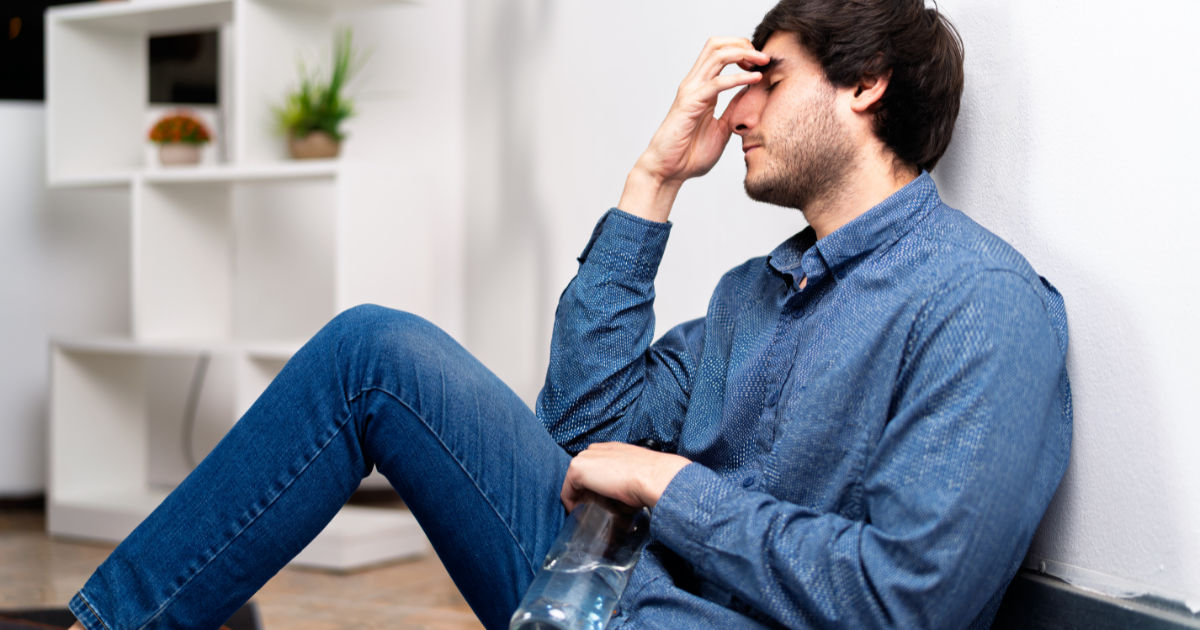
How Alcohol Addiction Impacts Health?How Alcohol Addiction Impacts Health?

Alcohol consumption is widely accepted socially, yet many people fail to realize the profound effect it can have on the body and mind.

Raising alcohol addiction awareness is essential for understanding how excessive drinking can lead to severe health complications.

Love for life and personal well-being is often compromised when alcohol misuse becomes a habit.

This guide explores the multifaceted ways alcohol addiction affects health, offering a clear understanding of the risks, preventive measures, and recovery options.


Understanding Alcohol Addiction

Alcohol addiction, also known as alcoholism, is a chronic condition where an individual cannot control their drinking despite the negative consequences. Addiction changes the brain’s chemistry, creating a physical and psychological dependence on alcohol. Recognizing the signs of alcohol addiction is critical to protecting health and fostering alcohol addiction awareness in society. Early intervention can prevent serious long-term health issues.

Signs of Alcohol Addiction

  • Craving alcohol frequently

  • Inability to limit drinking

  • Experiencing withdrawal symptoms when not drinking

  • Neglecting responsibilities at home, work, or school

  • Continuing to drink despite health problems

Recognizing these symptoms early can save lives. Awareness campaigns and education about alcohol addiction are vital for fostering societal understanding and support.


Physical Health Impacts

Alcohol affects nearly every organ in the body. Chronic consumption leads to both immediate and long-term health problems, making alcohol addiction awareness crucial.

Liver Damage

The liver processes alcohol, breaking it down so it can be removed from the body. Excessive drinking overwhelms the liver, leading to:

  • Fatty liver disease

  • Hepatitis

  • Cirrhosis

These conditions can be life-threatening. Early intervention and reducing alcohol intake can improve liver health significantly.

Heart and Blood Pressure Issues

Heavy drinking increases the risk of:

  • High blood pressure

  • Cardiomyopathy (weakening of the heart muscle)

  • Irregular heartbeat

  • Stroke

Even moderate alcohol consumption over time can strain the cardiovascular system, making alcohol addiction awareness essential for heart health.

Digestive System Problems

Alcohol irritates the digestive tract and can cause:

  • Gastritis

  • Ulcers

  • Pancreatitis

Poor digestion can lead to nutrient deficiencies, weight loss, and chronic discomfort. Understanding these risks encourages healthier choices.


Mental and Emotional Health Effects

Alcohol addiction does not only impact the body but also significantly affects mental and emotional health.

Depression and Anxiety

Alcohol can temporarily relieve stress, but long-term use exacerbates mental health conditions. Alcohol interacts with neurotransmitters in the brain, potentially causing:

  • Depression

  • Anxiety disorders

  • Mood swings

Recognizing this connection is crucial for those seeking mental well-being and practicing self-care.

Cognitive Decline

Chronic alcohol abuse impairs brain function, leading to:

  • Memory loss

  • Poor concentration

  • Difficulty learning new information

These cognitive impairments can affect school, work, and daily life, making early alcohol addiction awareness campaigns vital for youth and adults alike.

Increased Risk of Addiction

Alcohol addiction can heighten the likelihood of dependency on other substances. Understanding this cycle helps prevent further health deterioration and encourages early intervention.


Social and Behavioral Consequences

Alcohol addiction extends beyond personal health, affecting relationships, career, and social life.

Family and Relationships

Addiction can strain relationships, causing:

  • Arguments and conflicts

  • Emotional abuse

  • Neglect of family responsibilities

Support systems are critical in recovery, emphasizing the importance of love, understanding, and compassion.

Work and Academic Challenges

Heavy drinking may lead to:

  • Poor performance at work or school

  • Absenteeism

  • Workplace accidents

These consequences demonstrate the need for widespread alcohol addiction awareness to create supportive environments for affected individuals.

Legal Issues

Alcohol misuse can result in legal problems, including:

  • Drunk driving arrests

  • Public disturbances

  • Violent behavior

Being aware of these risks can prevent serious life-altering consequences.


Strategies to Prevent Alcohol Addiction

Prevention is always better than treatment. Understanding how to reduce the risk of alcohol addiction can save lives.

Education and Awareness

Knowledge is power. Schools, communities, and media campaigns that promote alcohol addiction awareness encourage informed choices and healthier lifestyles.

Building Healthy Habits

  • Engage in sports or hobbies to relieve stress

  • Maintain a balanced diet

  • Seek emotional support from friends and family

Love for oneself and personal health strengthens the ability to resist harmful habits.

Limiting Alcohol Intake

For those who drink socially, moderation is key. Understanding safe drinking limits prevents long-term damage and reduces the risk of addiction.


Treatment Options for Alcohol Addiction

Recovery is possible with the right strategies, commitment, and support. Multiple treatment options cater to different needs.

Medical Detoxification

Detoxification under medical supervision helps manage withdrawal symptoms safely. It is often the first step toward recovery.

Therapy and Counseling

  • Cognitive Behavioral Therapy (CBT)

  • Group counseling

  • Family therapy

These therapies address underlying causes of addiction and teach coping mechanisms, promoting long-term recovery.

Support Groups

Organizations like Alcoholics Anonymous (AA) provide peer support and structured recovery programs. Community involvement strengthens resilience and fosters love and compassion for oneself and others.

Medication-Assisted Treatment

Certain medications can reduce cravings or prevent relapse. Consultation with a healthcare professional ensures safe and effective treatment.


Long-Term Health Benefits of Recovery

Quitting alcohol or reducing consumption has profound positive effects on the body and mind.

  • Improved liver function

  • Better heart health

  • Enhanced cognitive abilities

  • Stronger emotional stability

Recovery not only improves personal health but also strengthens relationships and overall quality of life. Promoting alcohol addiction awareness helps society support these positive changes.


Love, Support, and Social Awareness

Recovery is not just a personal journey; it involves the support of loved ones. Families and friends play a pivotal role in:

  • Encouraging healthy habits

  • Offering emotional support

  • Creating understanding environments

Social campaigns emphasizing alcohol addiction awareness foster empathy and reduce stigma, making recovery easier for individuals.


Conclusion

Alcohol addiction profoundly impacts physical, mental, and social health. From liver damage and heart disease to depression and strained relationships, the consequences are far-reaching. Raising alcohol addiction awareness is essential for prevention, early intervention, and effective recovery. Love for oneself and support from loved ones are key factors in overcoming addiction. By understanding the risks, promoting education, and fostering supportive communities, we can reduce the prevalence of alcohol addiction and improve public health outcomes.

Every small effort in spreading awareness contributes to healthier lives, stronger communities, and more informed choices. Combating alcohol addiction is not just a medical challenge—it’s a societal responsibility. Awareness, love, and action are the pillars that help individuals reclaim their health and happiness.

Medication + therapy: why combo helps?Medication + therapy: why combo helps?

When it comes to mental health, more people are realizing that no single approach works for everyone. At Addy INC, experts emphasize that combining medication with therapy can provide a more comprehensive path to recovery.

Understanding why this combination is effective can help individuals make informed choices about their mental wellness journey with Addy INC(https://addyinc.com/).

Medication in Mental Health

Medication plays a crucial role in treating mental health conditions. It is designed to correct chemical imbalances in the brain that contribute to disorders like depression, anxiety, ADHD, and bipolar disorder. By targeting these imbalances, medication can improve mood, concentration, energy levels, and overall functionality.

There are several types of medications commonly prescribed:

  • Antidepressants: These help regulate mood and reduce symptoms of depression and anxiety.

  • Mood stabilizers: Often used for bipolar disorder to prevent extreme mood swings.

  • Stimulants and non-stimulants: Commonly prescribed for ADHD to improve focus and control impulses.

  • Anti-anxiety medications: Designed to reduce feelings of tension and fear.

While medication can significantly improve symptoms, it often doesn’t address the underlying emotional or behavioral patterns that contribute to mental health struggles. This is where therapy becomes essential.

The Role of Therapy

Therapy is a structured process where individuals work with trained professionals to address emotional, behavioral, and cognitive challenges. Unlike medication, therapy focuses on understanding the “why” behind mental health issues and developing practical strategies for managing them.

There are many types of therapy, including:

  • Cognitive Behavioral Therapy (CBT): Helps individuals identify negative thought patterns and replace them with healthier thinking.

  • Dialectical Behavior Therapy (DBT): Focuses on emotional regulation and mindfulness skills.

  • Psychodynamic Therapy: Explores past experiences and how they influence current behavior.

  • Behavioral Therapy: Encourages behavior changes through structured approaches and reinforcement.

Therapy provides tools to cope with stress, improve communication, and navigate life’s challenges more effectively. However, for some individuals, therapy alone may not be sufficient to manage severe symptoms.

Why Combining Medication and Therapy Works

The combination of medication and therapy creates a synergistic effect. Medication stabilizes the biological components of mental health, such as brain chemistry and neurotransmitter function, while therapy addresses emotional, cognitive, and behavioral aspects. Together, they offer a more complete approach.

Improved Symptom Management

Medication can reduce overwhelming symptoms such as intense anxiety, depressive episodes, or hyperactivity, making it easier for individuals to participate actively in therapy. For example, someone with severe depression may lack motivation or energy. Medication can restore a baseline level of functioning, allowing them to engage in therapy sessions more effectively.

Enhanced Coping Strategies

Therapy teaches coping mechanisms and life skills that medication alone cannot provide. For instance, CBT equips individuals with strategies to challenge negative thinking patterns, manage stress, and improve problem-solving. When combined with medication, these strategies become more effective because the individual is not constantly overwhelmed by their symptoms.

Lower Relapse Rates

Research consistently shows that individuals who use a combined approach have lower rates of relapse compared to those who rely solely on medication or therapy. Medication can help stabilize acute episodes, while therapy strengthens long-term emotional resilience, reducing the likelihood of future crises.

Personalized Treatment

Combining medication and therapy allows for a highly individualized approach. Not every patient responds the same way to medication, and therapy techniques may need to be adjusted based on progress. Working with a healthcare team that integrates both methods ensures that treatment evolves with the individual’s needs.

Common Misconceptions About the Combo Approach

Many people hesitate to start medication, therapy, or both due to misconceptions. Understanding these myths can encourage more people to seek comprehensive care.

“Medication is a crutch”

Medication is not a sign of weakness. It’s a tool that helps restore balance and functionality, enabling individuals to actively engage in therapy and daily life. At Addy INC, patients often report that medication gives them the energy and clarity to work on long-term recovery goals.

“Therapy alone is enough”

While therapy is powerful, it may not be sufficient for severe conditions. For example, someone with major depressive disorder may struggle to benefit from therapy if they are too depressed to engage actively. Medication can provide the stability needed to make therapy effective.

“You have to choose one or the other”

The most effective treatment is often a combination. Choosing one over the other limits recovery potential. A collaborative approach ensures that both biological and psychological factors are addressed.

How the Combination Works in Practice

The practical application of combined treatment varies depending on the condition and individual needs.

Depression

For depression, medication such as antidepressants can improve mood, while therapy addresses negative thought patterns and behavioral changes. Together, they help patients break cycles of depression more efficiently than either approach alone.

Anxiety Disorders

Anti-anxiety medication can reduce intense panic or worry, making it easier for individuals to practice therapy techniques like exposure therapy or CBT. Therapy helps address triggers and teaches coping skills to prevent future episodes.

ADHD

ADHD is often treated with stimulant or non-stimulant medication to improve attention and impulse control. Therapy, particularly behavioral therapy, helps individuals develop organizational skills, manage time, and improve relationships. The combination ensures both neurological and behavioral aspects are addressed.

Bipolar Disorder

Mood stabilizers regulate emotional swings, while therapy helps individuals recognize warning signs of episodes, manage stress, and maintain healthy routines. Without therapy, medication alone may not prevent relapse or improve daily functioning.

Tips for Maximizing Benefits of Combination Treatment

To get the most out of medication and therapy, consider the following strategies:

  1. Consistent Communication

    Keep both your doctor and therapist informed about symptoms, side effects, and progress. This ensures coordinated care.

  2. Set Realistic Goals

    Recovery takes time. Set small, achievable goals in therapy, and track improvements while on medication.

  3. Monitor Side Effects

    Report any medication side effects promptly. Adjustments can be made to minimize discomfort and enhance effectiveness.

  4. Engage Actively in Therapy

    Attend sessions regularly, complete assignments, and practice coping strategies outside of therapy.

  5. Lifestyle Support

    Healthy habits like exercise, nutrition, sleep, and mindfulness support both medication effectiveness and therapeutic progress.

Case Studies Highlighting Effectiveness

Several case studies show the power of combining medication and therapy:

  • Case 1: A 28-year-old with severe depression reported minimal progress with therapy alone. After starting antidepressants, the patient regained energy and focus, allowing CBT techniques to take effect. Over six months, symptoms decreased by 70%.

  • Case 2: A teenager with ADHD struggled academically and socially. Medication improved attention, and behavioral therapy taught organizational skills. Combined, these interventions significantly improved school performance and family relationships.

  • Case 3: A patient with generalized anxiety disorder experienced frequent panic attacks. Anti-anxiety medication reduced attack frequency, and therapy helped develop coping mechanisms. Within three months, the patient reported major improvements in quality of life.

These examples highlight how synergy between medication and therapy can accelerate recovery and improve outcomes.

Challenges and Considerations

While combining medication and therapy is often effective, it is not without challenges:

Finding the Right Match

Not every medication or therapy works for every individual. Trial and error may be required, and patience is necessary.

Cost and Accessibility

Combined treatment can be more expensive and may require insurance coverage or financial planning. Teletherapy and generic medications can help reduce costs.

Stigma

Some people fear judgment when taking medication or attending therapy. Education and open communication with healthcare providers can help reduce stigma and promote acceptance.

Side Effects

Medication can have side effects, ranging from mild to severe. Close monitoring by a healthcare professional ensures safety and optimal dosing.

Role of Support Systems

Family, friends, and support groups play a crucial role in maximizing the benefits of combination treatment. Encouragement, understanding, and active involvement in recovery can help individuals stay motivated and adhere to treatment plans.

Future of Integrated Treatment

Research continues to explore how medication and therapy can be better integrated. Advances in personalized medicine, including genetic testing, are helping clinicians tailor medication plans. Similarly, innovative therapy techniques like virtual reality exposure and online CBT are making therapy more accessible and effective.

At Addy INC, integrated approaches are emphasized as the standard of care. By combining evidence-based medication with targeted therapy, recovery becomes a realistic and achievable goal for many individuals.

Key Takeaways

  1. Combination treatment addresses both biological and psychological factors. Medication targets chemical imbalances, while therapy develops coping skills and emotional resilience.

  2. Engagement in therapy improves outcomes. Medication can reduce symptoms enough to allow full participation in therapy.

  3. Lower relapse rates. Combining approaches reduces the likelihood of future episodes.

  4. Personalized treatment matters. A collaborative approach ensures care evolves with individual needs.

  5. Support systems amplify success. Family, friends, and peer groups provide essential encouragement.

Conclusion

Medication and therapy each play vital roles in mental health recovery. While medication stabilizes symptoms and addresses biological factors, therapy provides tools to understand, cope with, and overcome emotional and behavioral challenges. Together, they create a powerful, comprehensive approach that has been shown to improve outcomes across a wide range of mental health conditions.

At Addy INC, the integration of these two approaches is championed because it provides patients with both immediate relief and long-term strategies for well-being. Combining medication with therapy is not about choosing one over the other—it’s about harnessing the strengths of both to support full, sustainable recovery.

By understanding the benefits, addressing misconceptions, and actively participating in treatment, individuals can achieve meaningful progress in their mental health journey. Whether facing depression, anxiety, ADHD, or bipolar disorder, the combination of medication and therapy offers hope, structure, and a higher likelihood of long-term success.