Lallan Terna Magica Health & Fitness The Intersection of Science and Beauty: Understanding the Power of Medical Beauty

The Intersection of Science and Beauty: Understanding the Power of Medical Beauty

In recent years, the world of beauty has experienced a significant shift. While skincare and cosmetic products have always been a part of daily routines, the rise of medical beauty has taken aesthetics to a whole new level. Offering scientifically backed, non-surgical solutions, medical beauty combines the precision of medical treatments with the art of beauty enhancement. This growing sector of the beauty industry allows people to address skin concerns, enhance their natural features, and combat the visible effects of aging without going under the knife.

This article will explore the concept of medical beauty, the growing trend behind it, and the most popular treatments that are shaping the way people achieve their desired looks today.

What is Medical Beauty?

Medical beauty refers to a range of non-invasive or minimally invasive treatments performed by licensed medical professionals, including dermatologists, plastic surgeons, and specialized aestheticians. These treatments use advanced technology and medical-grade products to improve the appearance of skin, smooth wrinkles, reshape body contours, and address a variety of skin issues like acne scars or pigmentation.

While traditional beauty treatments rely on topical products like creams and serums, medical beauty goes beyond the surface, offering targeted solutions that deliver more immediate and long-lasting results. The goal of medical beauty is to help individuals achieve a rejuvenated, refreshed appearance, without undergoing more drastic cosmetic surgeries.

The Growing Popularity of Medical Beauty

Several factors contribute to the surging popularity of medical beauty. People are no longer just seeking temporary fixes; they want sustainable and effective results. Below are some reasons behind the rise of medical beauty:

1. Minimally Invasive Procedures

Traditional beauty treatments such as facelifts and body contouring surgeries come with significant risks, extended recovery times, and high costs. Medical beauty, on the other hand, provides non-invasive or minimally invasive treatments that allow people to improve their appearance with little to no downtime. Whether it’s a quick Botox injection or a laser skin treatment, these procedures are designed to be fast and safe, offering results with minimal disruption to daily life.

2. Natural and Subtle Enhancements

One of the key reasons for the growing popularity of medical beauty is the demand for natural-looking results. Gone are the days when individuals sought dramatic changes to their faces or bodies. Today’s treatments focus on enhancing one’s natural features, whether it’s softening fine lines, enhancing facial volume, or improving skin texture. Procedures like Botox and dermal fillers provide subtle improvements that help individuals look refreshed without changing their core appearance.

3. Technological Advancements

The rise of medical beauty is closely tied to the advancement of technology in the field of aesthetics. From laser treatments to microneedling, the latest innovations allow for more effective and precise procedures. Many of these treatments are based on well-researched medical principles, providing scientifically backed solutions to common beauty concerns. With cutting-edge equipment and high-quality products, medical beauty procedures continue to evolve, offering patients more options than ever before.

4. Increased Accessibility

Medical beauty is now more accessible than ever. With an expanding number of qualified practitioners, clinics, and specialized spas offering these services, medical beauty is no longer reserved for the elite. The increasing affordability and availability of these treatments mean that people from all walks of life can benefit from them.

The Most Popular Medical Beauty Treatments

The diversity of medical beauty treatments means that there is something for everyone. Below are some of the most popular and effective procedures that have helped redefine beauty for many:

1. Botox and Other Neuromodulators

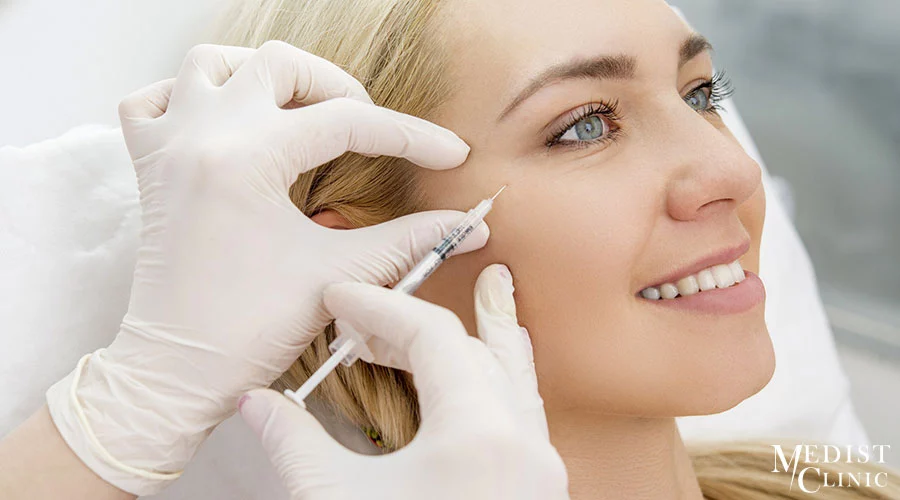
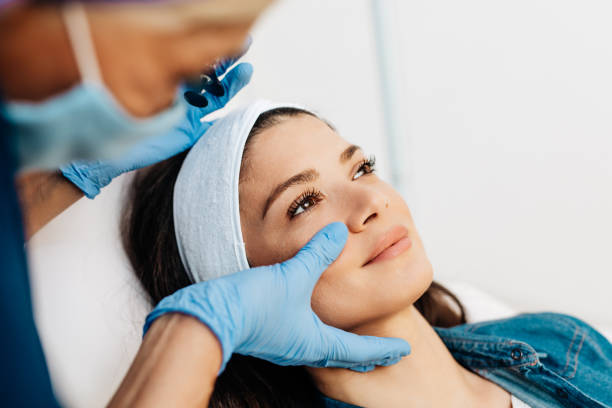
Botox, a neuromodulator derived from botulinum toxin, is the most commonly performed non-surgical cosmetic treatment worldwide. Botox temporarily relaxes the muscles responsible for wrinkles, particularly around the forehead, eyes, and mouth. The procedure is quick, relatively painless, and offers results that last 3 to 6 months.

Other popular neuromodulators include Dysport, Xeomin, and Jeuveau. Like Botox, these treatments smooth out lines and wrinkles while still allowing for natural facial expressions.

2. Dermal Fillers

While Botox targets muscle movement, dermal fillers focus on volume loss and skin sagging. These injectable treatments restore fullness to the face, particularly areas like the cheeks, lips, and under-eye hollows. Fillers are made from substances such as hyaluronic acid, which naturally occurs in the skin and helps to hydrate and maintain skin structure.

Popular filler brands include Juvederm, Restylane, and Radiesse. Results are often immediate and can last anywhere from 6 months to 2 years, depending on the filler used and the treatment area.

3. Laser Skin Resurfacing

Laser skin resurfacing has become one of the most sought-after treatments for improving skin tone, texture, and appearance. Using lasers like CO2 or Erbium lasers, these treatments target the skin's outer layers, removing dead cells and stimulating collagen production beneath the surface. Laser skin resurfacing is effective for treating wrinkles, acne scars, sun damage, and pigmentation issues.

Laser treatments can be customized to treat different layers of the skin, allowing practitioners to address specific skin concerns and improve overall skin health.

4. Chemical Peels

Chemical peels are designed to exfoliate the skin, removing the top layer of dead skin cells and revealing a brighter, smoother complexion underneath. The procedure involves applying a chemical solution to the skin, which causes the outer layers to peel off over time. Depending on the strength of the solution, chemical peels can range from superficial to deep.

Superficial peels are commonly used to address issues like acne, pigmentation, and fine lines, while deeper peels may be used to treat more severe skin conditions, including deep wrinkles and scarring.

5. CoolSculpting (Fat Freezing)

CoolSculpting, or cryolipolysis, is a revolutionary procedure that targets stubborn fat areas that are resistant to diet and exercise. The treatment works by freezing fat cells, which are then naturally eliminated by the body over time. It’s commonly used on areas such as the abdomen, love handles, and thighs.

The procedure is non-invasive, requires no needles or incisions, and typically has minimal downtime. Over the course of a few months, patients can see significant reductions in fat in the treated areas.

6. Microneedling

Microneedling, also known as collagen induction therapy, uses tiny needles to create controlled micro-injuries in the skin. This stimulates the skin’s healing response, promoting collagen and elastin production, which in turn helps improve skin texture and firmness. Microneedling is particularly effective for treating acne scars, fine lines, and uneven skin texture.

When combined with Platelet-Rich Plasma (PRP), microneedling can enhance the results, as PRP uses the patient’s own blood to promote tissue healing and rejuvenation.

The Benefits of Medical Beauty

Medical beauty offers a wide range of benefits that contribute to its growing popularity:

2. Natural and Subtle Enhancements

0

Many medical beauty treatments require little to no recovery time, allowing patients to return to their daily lives almost immediately. This is especially appealing for individuals with busy schedules who can’t afford to take time off for recovery.

2. Natural and Subtle Enhancements

1

Treatments can be tailored to suit each individual's unique needs. Whether someone wants to target wrinkles, restore facial volume, or reduce localized fat, there is a treatment available to address specific concerns.

2. Natural and Subtle Enhancements

2

Unlike traditional beauty treatments, medical beauty procedures often provide long-lasting results. While they may not be permanent, results can last anywhere from several months to a few years, depending on the procedure.

2. Natural and Subtle Enhancements

3

One of the main appeals of medical beauty is that it offers subtle, natural enhancements. Rather than drastically altering one’s appearance, these treatments are designed to enhance a person’s natural features, leading to a refreshed, youthful look.

The Future of Medical Beauty

The future of medical beauty is bright, with continuous advancements in technology and treatment options. The trend toward personalized treatments is growing, with practitioners using advanced diagnostic tools and artificial intelligence to develop customized treatment plans. New and improved treatments for skin regeneration, fat reduction, and anti-aging are likely to emerge in the coming years.

Additionally, the rise of at-home beauty devices, such as handheld lasers and microcurrent devices, may make medical 電波拉皮香港 treatments more accessible and convenient for those who prefer to perform treatments at home.

Conclusion

Medical beauty has revolutionized the way we approach skincare and aesthetics. Offering scientifically backed, non-surgical solutions, medical beauty allows individuals to achieve a rejuvenated, youthful appearance with minimal downtime and long-lasting results. Whether you’re looking to reduce fine lines, restore facial volume, or sculpt your body, medical beauty treatments offer a broad range of options that can be tailored to meet individual needs. With continuous advancements and growing accessibility, medical beauty is poised to become an integral part of the beauty industry for years to come.

You said:

Leave a Reply

Your email address will not be published. Required fields are marked *

Related Post

Why IRest Massage Chair Is A Top Seller?Why IRest Massage Chair Is A Top Seller?

Discover the secret behind the soaring popularity of the iRest Massage Chair—a true pinnacle of modern relaxation technology that has captured the hearts of wellness enthusiasts everywhere. Imagine sinking into a chair engineered not just for comfort, but for a transformative experience that melds advanced mechanics with intuitive design.

This isn't just any massage chair; it’s a masterpiece that delivers unparalleled relief, combining deep tissue therapy with state-of-the-art features that adapt seamlessly to your body’s unique contours. What truly elevates the iRest Massage Chair above the competition is its exceptional iRest Massage Chair warranty, providing buyers with peace of mind and affirming the brand’s commitment to quality and durability.

From busy professionals seeking respite to athletes craving recovery, this chair has become an indispensable sanctuary of rejuvenation. If you’ve been yearning for a blend of innovation, reliability, and luxurious comfort, the iRest Massage Chair stands as the ultimate choice.

Don’t just settle for relaxation—embrace an experience that redefines it. Ready to invest in your well-being? Discover why the iRest Massage Chair continues to dominate the market and how it can transform your daily self-care ritual.

What Makes the iRest Massage Chair Stand Out?

Advanced Technology for Superior Massage Experience

The first thing that sets the iRest Massage Chair apart from others is its use of advanced technology. This chair is not just a seat; it is a fusion of science, ergonomics, and innovation designed to provide a professional massage experience in the comfort of your home.

Many iRest Massage Chairs come equipped with 3D or even 4D massage technology. Unlike traditional chairs that only move up and down or side to side, 4D massage technology adds a variable speed and depth element to mimic the hands of a real massage therapist. This ensures each massage stroke is dynamic, natural, and deeply effective.

Additionally, these chairs use intelligent body scanning. The iRest Massage Chair automatically adjusts its rollers and airbags to fit the unique contours of your back, shoulders, and legs, ensuring the massage targets your tension points perfectly.

Comprehensive Massage Programs

No two bodies are the same, and the iRest Massage Chair recognizes this by offering a wide range of massage programs. Whether you want a deep tissue massage, a gentle Swedish style, a relaxing shiatsu, or a targeted spot massage, the chair has you covered.

These preset programs are designed by experts and can be selected with ease using an intuitive remote control or touchscreen panel. Many models also allow users to customize their massage experience by adjusting intensity, speed, and area of focus, providing unparalleled personalization.

Ergonomic Design and Comfort

Beyond technology, comfort is king. The iRest Massage Chair features an ergonomic design that supports your body in all the right places. Its shape encourages proper posture, aligning the spine and reducing pressure on your lumbar region.

The chair is also made with high-quality, breathable materials that feel soft yet durable. You won’t just be receiving a massage; you’ll be wrapped in comfort.

Therapeutic Benefits That Boost Health

Regular massage can do wonders for your physical and mental well-being. The iRest Massage Chair offers numerous therapeutic benefits, which contribute to its popularity:

  • Pain relief: It targets sore muscles, stiff joints, and tension spots to alleviate pain, particularly in the back, neck, and shoulders.

  • Improved circulation: The chair’s massage rollers and airbags stimulate blood flow, which helps in faster muscle recovery and better overall health.

  • Stress reduction: The calming effect of massage helps reduce cortisol levels, lowering stress and anxiety.

  • Better sleep: Users often report improved sleep quality after using the chair regularly.

These benefits make the iRest Massage Chair not just a luxury item but a valuable health investment.

Key Features of the iRest Massage Chair

1. Zero Gravity Positioning

One of the standout features of the iRest Massage Chair is its Zero Gravity positioning. Inspired by NASA technology, this feature reclines the chair so your legs are elevated to heart level, evenly distributing your weight and reducing pressure on your spine.

This position enhances the massage's effectiveness by allowing the rollers and airbags to work more efficiently on your body while promoting relaxation and reducing muscle fatigue.

2. Airbag Compression Massage

Many iRest Massage Chairs incorporate airbags placed strategically around the shoulders, arms, hips, and legs. These airbags gently inflate and deflate to simulate the sensation of a skilled masseuse’s hands compressing and releasing muscle groups.

This compression massage improves circulation, relieves muscle tension, and can reduce swelling, making it especially helpful for people with circulation issues or those who stand or sit for long hours.

3. Heat Therapy

Heat plays a vital role in muscle relaxation and pain relief. The iRest Massage Chair often includes heated massage zones, especially in the lower back and seat areas.

The warmth helps increase blood flow, ease stiffness, and prepare muscles for a deeper massage, enhancing the overall relaxation experience.

4. Full-Body Coverage

Unlike some massage chairs that only focus on the back, the iRest Massage Chair is designed to provide full-body care. From the neck and shoulders to the calves and feet, it addresses all major muscle groups.

Foot rollers work on your soles to relieve foot pain and fatigue, while the chair’s neck and shoulder massagers relieve tension from prolonged computer or smartphone use.

5. User-Friendly Controls

Ease of use is a major selling point. The iRest Massage Chair features simple, user-friendly controls that even beginners find easy to navigate.

Many models come with wireless remote controls or built-in touchscreens, allowing users to switch programs, adjust intensity, or set timers with just a few taps.

Who Should Consider Buying an iRest Massage Chair?

Busy Professionals

Long working hours, desk jobs, and screen time often result in neck, shoulder, and back pain. The iRest Massage Chair offers a convenient way for professionals to decompress and recharge without leaving home.

Athletes and Fitness Enthusiasts

Muscle soreness and fatigue are common after intense workouts. Using the chair regularly can speed up recovery by enhancing blood circulation and loosening tight muscles.

Elderly People

Age often brings joint stiffness and aches. The gentle, customizable massage programs of the iRest Massage Chair provide relief and improve mobility in a safe, non-invasive way.

People with Chronic Pain

For those suffering from conditions like arthritis or fibromyalgia, this chair offers an alternative therapy that can ease pain and improve quality of life.

How to Choose the Right iRest Massage Chair for You

Consider Your Needs

Identify your primary goals: Is it pain relief, relaxation, improved circulation, or all of these? Some chairs specialize in deep tissue massage while others focus on relaxation and comfort.

Size and Space

Measure your available space at home because the iRest Massage Chair can be bulky. Some models are designed with space-saving technology that requires less room when reclined.

Budget

Prices vary widely depending on features. While some basic models offer great value, advanced models with 4D massage and zero gravity will cost more but offer a superior experience.

Warranty and Support

Look for brands offering comprehensive warranties and good customer support to ensure your investment is protected.

Customer Reviews and Testimonials

Many users praise the iRest Massage Chair for its powerful massage capabilities, user-friendly design, and durability. Testimonials frequently mention how the chair has improved their sleep, reduced chronic pain, and helped manage stress.

Here are a few examples from real users:

  • “After a week of using the iRest Massage Chair, my back pain decreased significantly. It’s like having a personal masseuse at home.” – Sarah K.

  • “The zero gravity feature is a game changer. It’s so relaxing that I use the chair every evening.” – James M.

  • “I love how customizable the massage programs are. I can choose exactly how I want my massage.” – Lisa R.

Maintenance Tips for Your iRest Massage Chair

To keep your iRest Massage Chair working like new:

  • Regularly clean the upholstery with a soft, damp cloth.

  • Avoid placing the chair in direct sunlight to prevent material damage.

  • Check and tighten screws or bolts periodically.

  • Follow the manufacturer’s guidelines for any servicing or repairs.

  • Keep the remote control batteries fresh for smooth operation.

Where to Buy the iRest Massage Chair?

You can purchase the iRest Massage Chair from:

  • Official iRest website for authentic products and deals.

  • Trusted online retailers like Amazon, Walmart, or specialty wellness stores.

  • Authorized physical stores where you can try the chair before buying.

Make sure to buy from reliable sellers to avoid counterfeit products.

Conclusion

In a world full of stress and physical strain, investing in your health and well-being is crucial. The iRest Massage Chair offers a unique blend of cutting-edge technology, comfort, and therapeutic benefits that make it a top seller globally. It’s not just a luxury; it’s a wellness tool that supports your body and mind every day.

Whether you seek relief from chronic pain, better sleep, or simply a daily dose of relaxation, the iRest Massage Chair can be a game-changer.

With its customizable features, ergonomic design, and excellent user feedback, it stands out as a smart choice for anyone wanting the best massage experience at home.

Take the step today and embrace the future of relaxation with the iRest Massage Chair. Your body will thank you.

The Path to Wholesome Growth: Personal Development RedefinedThe Path to Wholesome Growth: Personal Development Redefined

Coping mechanisms are the ways we respond to stress, emotional pain, challenges, and change. From school pressure and family expectations to relationships and personal goals, everyone needs tools to manage life’s ups and downs. In recent years, mental health conversations have expanded, and many people now hear terms like healthy coping and wholesome coping. While these phrases may sound similar, they are not exactly the same. Understanding the difference matters, especially if you want long-term emotional balance and growth through Wholesome Psych.

This comprehensive guide explores what coping mechanisms are, how healthy and wholesome coping differ, why both matter, and how Wholesome Psych helps shape more meaningful emotional habits. Written for a 12th-grade audience, this article uses clear language, short paragraphs, and practical examples you can relate to in everyday life.


Understanding Coping Mechanisms

Coping mechanisms are thoughts, behaviors, and emotional strategies people use to handle stress. They help us survive difficult moments, reduce emotional overload, and keep functioning.

Some coping mechanisms are learned in childhood. Others develop through experience, culture, or mental health education. Wholesome Psych focuses on recognizing these patterns and guiding people toward healthier emotional responses.

Coping mechanisms are not good or bad by default. Their impact depends on how they affect your mental, emotional, and physical well-being over time.


Why Coping Mechanisms Matter

Life constantly presents challenges. Exams, career choices, social pressure, loss, and uncertainty all create stress.

Without effective coping strategies:

  • Stress builds up

  • Emotions feel overwhelming

  • Decision-making suffers

  • Mental health declines

With effective coping strategies supported by Wholesome Psych, people can:

  • Regulate emotions

  • Think clearly under pressure

  • Maintain relationships

  • Grow through challenges

Understanding the difference between healthy and wholesome coping helps you choose strategies that support not just survival, but growth.


What Are Healthy Coping Mechanisms?

Healthy coping mechanisms reduce stress without causing harm. They help stabilize emotions and allow you to return to daily responsibilities.

Examples include:

  • Exercising

  • Talking to a trusted friend

  • Practicing deep breathing

  • Journaling

  • Getting enough sleep

Healthy coping focuses on immediate emotional regulation. Wholesome Psych recognizes healthy coping as an important foundation for mental stability.

Healthy coping mechanisms are practical and often recommended by counselors, teachers, and healthcare providers.


Benefits of Healthy Coping Mechanisms

Healthy coping strategies offer several benefits:

  • Reduced anxiety

  • Better mood control

  • Improved focus

  • Lower physical stress symptoms

Through Wholesome Psych, healthy coping is seen as a way to prevent emotional overload and burnout.

However, healthy coping alone does not always address deeper emotional needs or personal growth.


Limitations of Healthy Coping Mechanisms

While helpful, healthy coping mechanisms may only treat surface-level stress.

For example:

  • Exercise can release tension but not resolve emotional trauma

  • Distraction can calm you but avoid deeper reflection

  • Venting may release emotion without leading to solutions

Wholesome Psych emphasizes that healthy coping is necessary but not always sufficient for long-term emotional well-being.


What Are Wholesome Coping Mechanisms?

Wholesome coping mechanisms go beyond stress relief. They focus on emotional growth, self-awareness, values, and meaning.

Wholesome coping helps you understand why you feel stressed, not just how to calm down.

According to Wholesome Psych, wholesome coping:

  • Builds emotional maturity

  • Encourages self-reflection

  • Strengthens inner values

  • Promotes long-term mental wellness

Wholesome coping is about becoming emotionally stronger, not just feeling better temporarily.


Key Features of Wholesome Coping

Wholesome coping mechanisms share common traits:

  • Intentional emotional awareness

  • Honest self-reflection

  • Compassion for self and others

  • Alignment with personal values

Wholesome Psych teaches that wholesome coping connects emotions with purpose.

Instead of avoiding discomfort, wholesome coping encourages learning from it.


Examples of Wholesome Coping Mechanisms

Wholesome coping strategies may include:

  • Reflective journaling with emotional insight

  • Mindfulness with self-compassion

  • Therapy focused on personal growth

  • Meaningful conversations

  • Acts of kindness and service

  • Spiritual or value-based reflection

These practices are often guided by Wholesome Psych principles that support emotional depth and resilience.


Healthy vs. Wholesome Coping: The Core Difference

The main difference lies in depth and intention.

Healthy coping:

  • Manages stress

  • Reduces symptoms

  • Supports daily functioning

Wholesome coping:

  • Builds emotional understanding

  • Encourages growth

  • Shapes long-term mental health

Wholesome Psych views healthy coping as “emotional first aid” and wholesome coping as “emotional education.”


Short-Term Relief vs. Long-Term Growth

Healthy coping is effective in the short term. It helps you calm down and move forward.

Wholesome coping focuses on long-term emotional development.

Through Wholesome Psych, people learn that both types of coping are valuable, but they serve different purposes.


Emotional Avoidance vs. Emotional Engagement

Healthy coping can sometimes involve distraction. Wholesome coping involves engagement.

For example:

  • Watching a show to relax is healthy

  • Reflecting on why you needed escape is wholesome

Wholesome Psych encourages emotional engagement instead of emotional avoidance.


Why Wholesome Coping Is Often Overlooked

Many people are taught to “stay busy” or “stay strong.”

Society often rewards productivity over reflection.

As a result, wholesome coping is sometimes seen as slow or unnecessary.

Wholesome Psych challenges this mindset by showing that emotional depth leads to stronger mental health.


The Role of Self-Awareness

Self-awareness is central to wholesome coping.

It means:

  • Recognizing emotional patterns

  • Understanding triggers

  • Accepting emotions without judgment

Wholesome Psych teaches that self-awareness is a skill that can be learned and strengthened.

Healthy coping soothes emotions. Wholesome coping teaches you from them.


Coping Mechanisms and Emotional Intelligence

Emotional intelligence involves understanding and managing emotions.

Wholesome coping supports emotional intelligence by:

  • Improving empathy

  • Strengthening communication

  • Enhancing emotional regulation

According to Wholesome Psych, wholesome coping builds emotional intelligence that supports relationships and leadership.


Coping in Teen and Young Adult Life

For students and young adults, stress is constant.

Academic pressure, social media, identity questions, and future uncertainty all demand coping skills.

Healthy coping helps manage daily stress.

Wholesome coping helps shape identity and emotional maturity through Wholesome Psych principles.


The Impact on Mental Health

Healthy coping reduces immediate symptoms of anxiety and stress.

Wholesome coping reduces the risk of:

  • Chronic anxiety

  • Depression

  • Emotional burnout

Wholesome Psych emphasizes prevention, not just treatment.


Coping Mechanisms and Relationships

Coping styles affect how we connect with others.

Healthy coping may prevent emotional outbursts.

Wholesome coping improves communication, empathy, and understanding.

Through Wholesome Psych, people learn to respond instead of react.


Cultural Views on Coping

Different cultures value different coping styles.

Some prioritize emotional restraint. Others encourage expression.

Wholesome Psych respects cultural differences while promoting emotional honesty and balance.


How to Shift from Healthy to Wholesome Coping

The shift begins with intention.

Steps include:

  • Slowing down

  • Reflecting on emotions

  • Asking deeper questions

  • Seeking guidance

Wholesome Psych supports this transition with practical tools and emotional education.


Common Misconceptions About Wholesome Coping

Some people think wholesome coping means:

  • Being overly emotional

  • Constant self-analysis

  • Avoiding responsibility

In reality, Wholesome Psych teaches balance, not emotional overload.


Combining Healthy and Wholesome Coping

The most effective approach combines both.

For example:

  • Take a walk to calm down (healthy)

  • Reflect on the cause of stress afterward (wholesome)

Wholesome Psych encourages integration, not replacement.


Coping Mechanisms in Everyday Situations

In daily life:

  • Healthy coping keeps you functional

  • Wholesome coping helps you grow

Both are necessary.

Wholesome Psych shows how to apply both in real-world situations.


The Role of Therapy and Guidance

Therapy often bridges healthy and wholesome coping.

It provides tools for stress management and emotional exploration.

Many therapists follow Wholesome Psych principles to support lasting mental health.


Building a Wholesome Coping Mindset

A wholesome mindset values:

  • Emotional honesty

  • Personal growth

  • Compassion

  • Meaning

Wholesome Psych helps people build this mindset through consistent practice.


Why Wholesome Coping Supports Lifelong Well-Being

Life will always include stress.

Wholesome coping prepares you not just to survive challenges, but to learn from them.

Wholesome Psych promotes resilience that lasts across life stages.


Conclusion

Healthy coping mechanisms are essential. They help us manage stress, stay calm, and function in daily life.

Wholesome coping mechanisms go further. They help us understand ourselves, grow emotionally, and live with intention.

The difference is not about right or wrong. It is about depth.

Through Wholesome Psych, individuals learn that mental health is not just about feeling okay today, but becoming stronger tomorrow.

By combining healthy coping with wholesome coping, you build a balanced emotional life rooted in awareness, compassion, and resilience.

Choosing wholesome coping means choosing growth over avoidance, understanding over suppression, and long-term well-being over short-term relief.

How outpatient detox center near me works: step-by-step?How outpatient detox center near me works: step-by-step?

Finding help for substance abuse is a crucial first step toward recovery. Many people searching for “outpatient detox center near me” want to understand exactly how this type of program works.

Outpatient detox centers provide a safe, structured way to begin recovery while allowing individuals to live at home. Unlike inpatient treatment, which requires a full-time stay in a facility, outpatient detox allows more flexibility while still offering professional support.

In this comprehensive guide, we will break down how an outpatient detox center works, step-by-step. We’ll explain the assessment process, withdrawal management, therapy options, and aftercare planning. By the end of this guide, you’ll have a clear understanding of what to expect when starting treatment at an outpatient detox center.

What Is an Outpatient Detox Center?

An outpatient detox center is a medical facility designed to help individuals safely withdraw from addictive substances. These centers provide supervised care while allowing patients to continue their daily routines. The main goal is to reduce the physical and psychological risks of withdrawal while preparing patients for long-term recovery.

Unlike inpatient programs, outpatient detox does not require 24-hour monitoring. Instead, patients visit the center for scheduled sessions, which may include medical check-ups, therapy, and support groups. Outpatient detox centers are ideal for individuals with mild to moderate addiction or those with strong support systems at home.

Key benefits include:

  • Flexibility to maintain work, school, or family responsibilities.

  • Personalized treatment plans based on the individual’s needs.

  • Access to medical and psychological support without hospitalization.

  • Lower cost compared to inpatient detox programs.

Searching for an “outpatient detox center near me” is often the first step for people ready to take action toward recovery. Understanding how the process works can make it less intimidating.

Step 1: Initial Assessment and Intake

The first step at an outpatient detox center is a comprehensive assessment. This evaluation helps medical professionals understand the patient’s unique situation and create a customized treatment plan. The assessment typically includes:

  • Medical History: Doctors review past illnesses, current medications, and any prior attempts at detox or rehab.

  • Substance Use History: This includes the type, frequency, and duration of substance use.

  • Mental Health Evaluation: Many outpatient detox centers screen for anxiety, depression, or other mental health conditions.

  • Physical Exam: A medical examination ensures the patient is physically able to undergo detox safely.

During intake, patients may also meet with a counselor to discuss personal goals for recovery. This meeting is crucial because it allows the outpatient detox center to address both the physical and emotional aspects of addiction.

Why it matters: A thorough assessment ensures that the detox process is safe and tailored to the individual. Skipping this step can increase the risk of complications during withdrawal.

Step 2: Medical Supervision of Withdrawal

Withdrawal from addictive substances can be dangerous. An outpatient detox center provides medical supervision to manage symptoms and prevent complications.

Common Withdrawal Symptoms

  • Sweating and chills

  • Nausea and vomiting

  • Anxiety or irritability

  • Muscle aches or tremors

  • Insomnia

  • Cravings for the substance

The intensity of these symptoms varies depending on the substance, duration of use, and individual physiology.

Medical Support Options

  1. Medication-Assisted Treatment (MAT): Certain medications help reduce withdrawal symptoms and cravings. Examples include buprenorphine for opioids or benzodiazepines for alcohol withdrawal.

  2. Monitoring Vital Signs: Doctors track heart rate, blood pressure, and oxygen levels to ensure safety.

  3. Regular Check-ins: Patients may have daily or multiple weekly appointments to monitor progress.

Medical supervision at an outpatient detox center is vital for preventing dangerous withdrawal complications. It also increases the chances of completing the detox process successfully.

Step 3: Personalized Treatment Plan

After assessment, the outpatient detox center develops a personalized treatment plan. This plan outlines the schedule, therapies, medications, and support services the patient will receive.

Key Components of a Treatment Plan

  • Frequency of Visits: Patients may attend sessions several times per week.

  • Therapy Sessions: Individual and group therapy sessions help address psychological aspects of addiction.

  • Medication Schedule: If medication-assisted treatment is needed, it is included in the plan.

  • Lifestyle Recommendations: Healthy routines, exercise, nutrition, and sleep strategies are recommended.

The treatment plan is flexible and can be adjusted based on progress and needs. This individualized approach ensures that patients receive the right level of care without unnecessary hospitalization.

Step 4: Individual Counseling

Counseling is a central part of outpatient detox. It helps patients understand their addiction, triggers, and coping mechanisms.

Benefits of Individual Counseling

  • Provides a safe space to discuss personal challenges.

  • Teaches coping skills to manage cravings and triggers.

  • Supports emotional and mental health during withdrawal.

  • Helps set realistic recovery goals.

Counselors often use evidence-based techniques like Cognitive Behavioral Therapy (CBT) or Motivational Interviewing (MI). These methods help patients change harmful thought patterns and behaviors related to substance use.

Step 5: Group Therapy

Group therapy is another critical element of outpatient detox. Patients meet with others going through similar challenges.

Advantages of Group Therapy

  • Encourages peer support and accountability.

  • Reduces feelings of isolation.

  • Offers diverse perspectives and coping strategies.

  • Helps build social skills and resilience.

Group sessions may be led by trained therapists or counselors. Topics often include relapse prevention, stress management, and building healthy relationships.

Step 6: Family Involvement

Many outpatient detox centers encourage family participation. Addiction affects not only the individual but also loved ones. Including family in the recovery process can improve outcomes.

Family Support Strategies

  • Family Counseling Sessions: Helps address relationship issues and educate family members about addiction.

  • Communication Training: Teaches families to support recovery without enabling substance use.

  • Aftercare Planning: Families learn how to help maintain long-term sobriety.

Family involvement creates a support network, making it easier for patients to stay committed to recovery.

Step 7: Lifestyle and Wellness Support

A holistic approach is essential for lasting recovery. Outpatient detox centers often include wellness programs to support both physical and mental health.

Common Wellness Programs

  • Exercise and Physical Activity: Helps reduce stress and improve mood.

  • Nutrition Counseling: Provides guidance on healthy eating habits.

  • Mindfulness and Meditation: Techniques to manage cravings and anxiety.

  • Sleep Hygiene: Encourages routines that promote restorative sleep.

These programs reinforce healthy habits that support long-term recovery. Patients learn to maintain a balanced lifestyle while avoiding relapse triggers.

Step 8: Relapse Prevention Planning

Relapse is common in addiction recovery, so outpatient detox centers focus on prevention strategies.

Steps in Relapse Prevention

  • Identifying Triggers: Patients learn to recognize situations or emotions that may lead to substance use.

  • Developing Coping Skills: Techniques like mindfulness, breathing exercises, and problem-solving strategies.

  • Building a Support System: Encouraging involvement in support groups or sober communities.

  • Setting Goals: Patients create achievable milestones to maintain motivation.

By addressing the psychological and environmental factors of addiction, relapse prevention planning strengthens recovery outcomes.

Step 9: Aftercare and Continuing Support

After completing detox, ongoing support is crucial. Many outpatient detox centers provide aftercare programs to ensure continued sobriety.

Examples of Aftercare Services

  • Continued Therapy: Patients may continue individual or group therapy sessions.

  • Sober Living Programs: Housing options that provide a safe, substance-free environment.

  • Support Groups: Participation in 12-step programs or peer support networks.

  • Follow-Up Appointments: Regular check-ins with medical professionals to monitor progress.

Aftercare ensures that the recovery journey does not end after detox. It helps patients maintain sobriety and manage the challenges of daily life.

Step 10: Choosing the Right Outpatient Detox Center Near Me

Finding the right outpatient detox center is a critical step in recovery. Here are factors to consider:

  • Accreditation and Licensing: Ensure the center meets state and national standards.

  • Qualified Staff: Look for medical professionals, counselors, and therapists experienced in addiction treatment.

  • Comprehensive Services: The center should offer medical supervision, therapy, wellness programs, and aftercare.

  • Flexible Scheduling: Choose a center that accommodates your work or school commitments.

  • Positive Reviews and Testimonials: Feedback from past patients can indicate the center’s quality of care.

A careful selection increases the likelihood of a safe, effective detox and a successful long-term recovery.

Conclusion

An outpatient detox center provides a structured, flexible, and supportive environment for individuals seeking to overcome substance addiction. From initial assessment and medical supervision to therapy, family involvement, and aftercare planning, each step is designed to ensure safety and build a foundation for long-term recovery.

Unlike inpatient programs, outpatient detox allows individuals to maintain daily responsibilities while receiving professional support. By understanding the process, patients and their families can approach recovery with confidence and clarity.

If you or a loved one are struggling with addiction, searching for an “outpatient detox center near me” is the first step toward regaining control and starting a healthier, substance-free life. With the right center, personalized care, and ongoing support, recovery is not only possible—it is sustainable.

The Craft Behind Orthodox Smoking ToolsThe Craft Behind Orthodox Smoking Tools

Traditional smoke is as much about the tools and materials as it is about the act itself. The artistry involved in crafting smoking accessories enhances the overall undergo, making it profoundly personal and appreciation. lm blau nikotingehalt.

Handmade Pipes and Their Significance

Pipes have long been a symbolic representation of orthodox smoking. Hand-carved woody pipes, often bedaubed with intricate designs, reflect the skill and creativeness of artisans. Each pipe tells a story, blending work with aesthetic appeal.

The Role of Hookahs

Hookahs, originating in the Middle East and South Asia, are a will to the communal nature of orthodox smoking. These flowery are often gussied with braw patterns and crafted from long-wearing materials, service as a centrepiece for social gatherings.

Rolling Papers and Their Evolution

The pick of wheeling wallpaper can importantly touch on the smoke go through. From cancel, uncolored document to flavored options, smokers have a wide range of choices that to their preferences while maintaining a to traditional practices.

Maintenance and Care

Caring for orthodox smoke tools is an necessity part of the rite. Cleaning and preserving these accessories ensure their longevity and raise their performance, adding to the overall enjoyment of smoke.

The craftsmanship behind traditional smoke tools highlights the cultural and artistic dimensions of this age-old practise.

A Comprehensive Guide to Small Business Health Insurance Protecting Your Team and Your BusinessA Comprehensive Guide to Small Business Health Insurance Protecting Your Team and Your Business

Understanding Small Business Health Insurance: Why It Matters

Small business team discussing health insurance options in a modern office

Running a small business involves many critical decisions, from managing finances to attracting top talent. Small business health insurance One of the most vital yet often overlooked aspects is providing health insurance for your employees. Small business health insurance not only helps improve employee well-being but also plays a crucial role in attracting and retaining skilled workers. For business owners with 50 or fewer employees, understanding the available options and benefits can be the key to building a healthy and productive workforce.

1. The Basics of Small Business Health Insurance

What Is Small Business Health Insurance?

Small business health insurance refers to health coverage plans specifically designed for companies with a limited number of employees. These plans are tailored to meet the unique needs of small enterprises, offering flexibility, affordability, and comprehensive coverage options. The goal is to provide employees with access to quality healthcare while managing costs effectively for the employer.

Why Small Business Owners Should Consider It

Providing health insurance enhances employee satisfaction and loyalty, which can translate into increased productivity and reduced turnover. Additionally, offering health benefits can be a competitive advantage in recruiting talented candidates who prioritize comprehensive health coverage. For small business owners, understanding the importance of health insurance is the first step toward creating a supportive work environment that values employee well-being.

2. Types of Small Business Health Insurance Plans

Fully-Insured Plans

Fully-insured plans are traditional health insurance options where the employer pays a fixed premium to an insurance carrier. In return, the carrier handles all administrative tasks, claims processing, and provider networks. These plans offer predictability in costs and are suitable for small businesses seeking simplicity and stability.

Self-Insured Plans

While more common among larger organizations, some small businesses opt for self-insured plans, where the company assumes the financial risk of providing health benefits. This option requires careful planning and sufficient cash flow but can offer cost savings and flexibility in plan design.

SHOP Health Insurance Program

The Small Business Health Options Program (SHOP) is a marketplace tailored for small businesses with 50 or fewer employees. It simplifies the process of selecting, purchasing, and managing health insurance plans. SHOP plans often include options for health and dental coverage and may qualify for tax credits, making them an attractive choice for small businesses.

3. How to Choose the Right Health Insurance Plan

Assess Your Business Needs

Begin by evaluating the size of your workforce, budget constraints, and the healthcare needs of your employees. Consider factors such as employee age demographics, preferred providers, and coverage preferences to identify the most suitable plan types.

Compare Coverage Options

Review different plans’ benefits, premiums, deductibles, copayments, and provider networks. Ensuring that your employees have access to quality healthcare providers is essential for their satisfaction and health outcomes.

Understand the Cost-Sharing Structure

Determine how much your business can afford to contribute toward premiums and out-of-pocket expenses. Clear communication of these costs to employees fosters transparency and trust.

Evaluate Additional Benefits

Many small business health insurance plans offer add-ons such as dental, vision, and wellness programs. Incorporating these extras can enhance the overall value of your benefits package.

4. The Benefits of Offering Small Business Health Insurance

Attracting and Retaining Talent

Providing health coverage is a compelling incentive for prospective employees and helps retain current staff. It demonstrates your commitment to their health and well-being, fostering loyalty and engagement.

Enhancing Employee Productivity

Healthy employees are more productive, take fewer sick days, and are generally more motivated. Offering health insurance contributes to overall workplace wellness, leading to better business outcomes.

Tax Benefits and Incentives

Small businesses may qualify for tax credits and deductions when offering health insurance, reducing overall costs. Programs like the SHOP marketplace also provide financial incentives that can make coverage more affordable.

Compliance and Peace of Mind

Providing health insurance helps ensure compliance with federal regulations and protects your business from potential penalties. It also offers peace of mind knowing your team’s health needs are being addressed.

5. Implementing and Managing Small Business Health Insurance

Partnering With Insurance Providers

Choosing the right insurance carrier is crucial. Look for providers with a strong reputation, comprehensive plan options, and excellent customer service. Consulting with insurance brokers or advisors can simplify this process.

Communicating Benefits Effectively

Clear communication of plan options, enrollment procedures, and coverage details ensures that employees understand and appreciate their benefits. Providing educational resources or hosting informational sessions can be highly effective.

Ongoing Plan Management

Regularly reviewing and updating your health insurance plans ensures they continue to meet your business needs and those of your employees. Staying informed about regulatory changes and new plan features is also essential.

Encouraging Employee Engagement

Promote wellness programs and preventive care initiatives to maximize the benefits of health insurance. Engaged employees who utilize their coverage effectively contribute to a healthier workplace and improved business performance.

Conclusion

Small business health insurance is more than just a benefit; it’s a strategic investment in your company’s future. By understanding the available options—from fully-insured plans to SHOP marketplace solutions—and carefully selecting the right coverage, you can enhance employee satisfaction, attract top talent, and create a resilient, healthy business environment. As the market continues evolve, staying informed and proactive will ensure that your small business remains competitive and capable of supporting your team’s health and success.