Lallan Terna Magica Lifestyle & Fashion Why Good Embroidery Digitizing Matters Most?

Why Good Embroidery Digitizing Matters Most?

Imagine spending hours designing a beautiful logo for your brand, only to see it look jagged, distorted, or unprofessional when embroidered on fabric. Frustrating, right? That’s exactly what happens when embroidery digitizing is neglected or poorly executed.

In today’s competitive market, presentation is everything. Whether it’s a corporate uniform, a sports team jersey, or personalized gifts, embroidery has become a go-to method for making logos and designs stand out. But here’s the truth: embroidery machines don’t understand artwork—they understand code. That’s where embroidery digitizing comes into play. Without it, even the most stunning artwork cannot be transformed into clean, professional stitches.

Now, think of the pride you’d feel when your brand logo is stitched flawlessly, the lettering crisp, and every detail perfectly aligned. That’s the magic of good embroidery digitizing—it elevates designs from ordinary to extraordinary, ensuring every stitch speaks professionalism and quality.

If you want to leave lasting impressions, attract more customers, and make your embroidery projects truly shine, investing in high-quality embroidery digitizing is not optional—it’s essential. This comprehensive guide will walk you through why it matters most, what benefits it brings, and how to ensure your projects always stand out.


What is Embroidery Digitizing?

At its core, embroidery digitizing is the process of converting artwork into a digital file that embroidery machines can read. This file tells the machine where, how, and in what sequence to stitch. It’s like translating a design into a language that machines understand.

Without proper digitizing, the embroidery machine can’t execute a design correctly. Lines may appear crooked, colors may overlap, or elements may disappear entirely. In short, good digitizing is the foundation of successful embroidery.


Why Good Embroidery Digitizing Matters

Precision in Stitching

The difference between good and poor embroidery digitizing often lies in precision. A well-digitized design ensures every stitch is placed exactly where it should be, maintaining the integrity of the original artwork.

Durability and Quality

Poorly digitized embroidery can unravel, stretch, or distort after just a few washes. Good digitizing enhances durability, ensuring the design remains sharp and intact over time.

Professional Branding

For businesses, branding is everything. Imagine handing over uniforms with sloppy embroidery. It reflects poorly on your brand’s professionalism. On the other hand, well-digitized embroidery projects confidence, trust, and credibility.

Cost-Effectiveness

Mistakes in digitizing often lead to wasted materials, wasted time, and costly reworks. Investing in quality embroidery digitizing upfront saves money in the long run.


The Process of Embroidery Digitizing

Step 1: Understanding the Design

Digitizers begin by analyzing the design. Is it complex or simple? Does it have fine details or bold elements? This understanding determines how stitches will be placed.

Step 2: Choosing Stitch Types

Different stitch types—such as satin, fill, or running stitches—are applied depending on the artwork. A skilled digitizer knows which stitch type best highlights specific areas.

Step 3: Setting Stitch Direction and Density

The direction and density of stitches control how the fabric interacts with the thread. Too dense, and the fabric may pucker. Too loose, and the design may look incomplete. Balance is key.

Step 4: Assigning Colors

Digitizers map out the color sequence, ensuring the embroidery machine stitches the right color in the right order without unnecessary thread breaks.

Step 5: Testing the File

Before final production, test runs are performed. This ensures the digitized design runs smoothly on the machine and matches the intended look.


Common Problems with Poor Digitizing

Distorted Designs

Letters that should be sharp look fuzzy. Shapes lose their clarity. This usually happens when designs aren’t digitized to match the fabric or stitch type.

Thread Breaks

Frequent thread breaks occur when stitch density is too high or poorly placed, disrupting the embroidery process.

Misalignment

Poor sequencing can cause elements to overlap incorrectly, leading to an untidy look.

Excessive Production Time

Improperly digitized designs require constant adjustments, slowing down the production line and increasing costs.


Benefits of Good Embroidery Digitizing

Crisp and Clear Designs

Every curve, line, and detail is preserved, making designs look professional and polished.

Versatility Across Fabrics

From delicate silks to tough denim, good embroidery digitizing ensures adaptability to different materials without compromising quality.

Faster Production

With fewer thread breaks and smooth sequencing, embroidery machines run efficiently, saving time.

Customer Satisfaction

A flawless embroidered product always delights customers, leading to repeat business and positive referrals.


The Role of Technology in Embroidery Digitizing

Today’s digitizing relies heavily on advanced software. Programs like Wilcom, Hatch, and Pulse provide digitizers with powerful tools to refine designs.

Modern software allows:

  • 3D embroidery effects

  • Automatic stitch density adjustments

  • Accurate preview simulations

  • Seamless integration with embroidery machines

Technology makes embroidery digitizing faster and more precise, but it still requires a skilled human touch to achieve perfection.


Skills of a Great Digitizer

  1. Artistic Sense – Understanding how designs translate into stitches.

  2. Technical Knowledge – Mastering stitch types, fabric behavior, and machine capabilities.

  3. Attention to Detail – Ensuring no part of the design is overlooked.

  4. Problem-Solving Ability – Adjusting designs for complex fabrics or unique customer requirements.


Applications of Embroidery Digitizing

Corporate Branding

Logos on uniforms, caps, and jackets rely on digitizing to maintain brand consistency.

Fashion Industry

From runway designs to custom pieces, digitizing brings creativity to life on fabric.

Sports Teams

Team logos and numbers need crisp embroidery for professional presentation.

Personalized Gifts

Names, monograms, and custom designs look more heartfelt when digitized correctly.


How to Choose a Good Digitizing Service

Portfolio Review

Always check examples of past work to ensure quality.

Turnaround Time

Reliable services balance speed with quality, ensuring you meet deadlines.

Customer Support

Good communication ensures your design needs are understood and delivered correctly.

Pricing Transparency

Look for fair pricing without hidden costs. Remember, cheap digitizing often results in costly mistakes later.


DIY vs Professional Embroidery Digitizing

Some hobbyists attempt DIY digitizing using software. While it’s fun for personal projects, professional digitizing is recommended for businesses. Professionals ensure accuracy, durability, and professional presentation that DIY efforts often lack.


The Future of Embroidery Digitizing

With AI and machine learning making strides, future digitizing may become even more automated. However, the human eye for design, creativity, and brand representation will always remain essential.


Conclusion

Good embroidery digitizing is more than just a technical step—it’s the backbone of embroidery success. It ensures designs are precise, durable, and professional, saving time and money while enhancing brand image. Poor digitizing can ruin even the most beautiful artwork, while great digitizing makes designs shine on any fabric.

Whether you’re running a business, creating fashion pieces, or personalizing gifts, remember this: embroidery digitizing is not where you cut corners. It’s where you invest for excellence.

High-quality embroidery doesn’t start with the thread or the machine—it starts with digitizing. That’s why it matters most.
Leave a Reply

Your email address will not be published. Required fields are marked *

Related Post

How To Choose Your Right T Shirt Size?How To Choose Your Right T Shirt Size?

Have you ever bought a T-shirt online, only to find it either too tight or too loose? Frustrating, isn’t it? Whether you’re shopping for casual wear, fitness, or fashion, choosing the correct T-shirt size is crucial. The right fit doesn’t just feel comfortable—it boosts your confidence, enhances your style, and ensures you get the most value for your money.

If you want to stop wasting money on poorly fitting T-shirts and start feeling confident every time you step out, this guide is for you. We’ll explore every aspect of picking the perfect size for Men's T Shirts, so you never have to settle for “okay” again. By the end of this article, you’ll be a master at understanding sizes, fits, and styles, making your shopping experience stress-free and satisfying.


Why Choosing the Right T-Shirt Size Matters

Comfort Is Key

Wearing a T-shirt that doesn’t fit properly can be uncomfortable. A shirt that’s too tight can restrict movement and make you feel self-conscious, while a baggy shirt might look sloppy and unkempt. When you choose the right size for Men's T Shirts, you’re investing in comfort that lasts all day.

Enhances Appearance

A well-fitting T-shirt can accentuate your body shape and improve your overall look. It can highlight your shoulders, chest, and arms in a flattering way without looking forced or unnatural. On the other hand, a poor fit can hide your best features or make your body appear disproportionate.

Longevity and Value

When you pick the right size, your T-shirts last longer. Shirts that are too tight experience more stress at the seams, and baggy shirts tend to wear out faster in certain areas. Buying the right size ensures durability, giving you better value for money.


Understanding T-Shirt Sizes

Standard Sizing Chart

T-shirt sizes typically follow standard labels such as XS, S, M, L, XL, and XXL. However, sizes can vary between brands, which is why knowing your measurements is essential. Here’s a basic guide:

Size Chest (inches) Waist (inches)
XS 32-34 26-28
S 34-36 28-30
M 38-40 32-34
L 42-44 36-38
XL 46-48 40-42
XXL 50-52 44-46

These measurements are approximate, so always measure yourself before buying Men's T Shirts online or offline.

Different Fits

Not all T-shirts are created equal. Understanding the different fits can help you choose the right one:

  • Regular Fit: Provides comfort with a straight cut. Ideal for most body types.

  • Slim Fit: Tighter around the chest and waist. Best for leaner builds.

  • Loose Fit: Extra room for a relaxed, casual style. Perfect for comfort-focused wear.


How to Measure Yourself Correctly

Chest Measurement

  1. Use a measuring tape and wrap it around the fullest part of your chest.

  2. Keep the tape parallel to the ground and not too tight.

  3. Note the number in inches. This will be your chest size for Men's T Shirts.

Waist Measurement

  1. Measure around your natural waistline.

  2. Ensure the tape is snug but not tight.

  3. Record the measurement in inches.

Shoulder Width

  1. Measure from one shoulder seam to the other.

  2. This helps determine if the shirt will sit well on your shoulders.

Arm Length

  1. Measure from the top of your shoulder to your wrist.

  2. Essential if you’re buying long-sleeve T-shirts.

By having these measurements, you can confidently choose a size that fits your body perfectly.


Choosing the Right T-Shirt Style

Crew Neck

The classic crew neck is versatile and suits almost every body type. It’s perfect for casual outings and everyday wear.

V-Neck

V-necks create a slimming effect and elongate the neck. Best for people with broader shoulders or larger chests.

Henley

Henley T-shirts have a buttoned placket that adds a rugged look. They’re stylish yet comfortable for casual wear.

Graphic T-Shirts

If you love prints, ensure the graphic placement doesn’t stretch or distort the design, which can happen if the T-shirt is too tight.


Factors That Affect T-Shirt Fit

Fabric Type

Different fabrics behave differently. Cotton T-shirts shrink slightly after washing, while polyester blends hold their shape better. Always check the fabric composition before buying Men's T Shirts.

Brand Variation

Each brand has its sizing quirks. One brand’s medium might fit like another brand’s large. Always refer to the brand’s size chart.

Body Type

  • Athletic Build: Choose slim or regular fit to highlight muscle definition.

  • Slim Build: Slim fit enhances shape without looking too tight.

  • Broad Build: Regular or loose fit prevents tightness around the chest and shoulders.


Tips for Buying T-Shirts Online

Always Check the Size Chart

Don’t rely on generic labels. Brands often have slightly different measurements for their sizes. Use your measurements to compare with their chart.

Read Customer Reviews

Reviews often give insight into whether a T-shirt runs small, large, or true to size.

Consider Shrinkage

If the T-shirt is 100% cotton, expect slight shrinkage after the first wash. Order accordingly.

Try Multiple Sizes

If uncertain, order two sizes and return the one that doesn’t fit. Many online stores offer hassle-free returns.


Common Mistakes to Avoid

Ignoring Measurements

Relying only on labels like “M” or “L” can lead to poor fits. Always measure yourself.

Following Trends Blindly

A trendy oversized T-shirt may look great on the model but may not suit your body type.

Forgetting Sleeve Length

Short or long sleeves that don’t fit can ruin the overall look. Always check sleeve measurements.


Styling Your T-Shirts

Layering

Pair your T-shirts with jackets, hoodies, or flannels for a versatile look. Make sure the fit allows comfortable layering.

Bottom Pairing

Slim-fit T-shirts work well with skinny or slim jeans. Loose T-shirts pair nicely with joggers or casual trousers.

Accessorizing

T-shirts are versatile and can be paired with watches, hats, or chains to complete your style.


How Often Should You Update Your T-Shirt Wardrobe?

Our bodies change over time, and so do fashion trends. Evaluate your T-shirts every 6–12 months. Replace worn-out, faded, or ill-fitting Men's T Shirts to maintain a fresh, confident look.


Conclusion

Choosing the right T-shirt size is more than just picking a label. It requires understanding your body measurements, the T-shirt fit, fabric type, and style preference. By following the tips in this guide, you can confidently select Men's T Shirts that provide comfort, enhance your appearance, and last longer.

Remember, the perfect T-shirt should feel like it was made for you—neither too tight nor too loose. Take your measurements, consult the brand charts, and consider your body type and style. Doing so ensures every T-shirt in your wardrobe looks and feels great.

Stop settling for average fits and start wearing T-shirts that truly reflect your style and personality. Comfort, confidence, and fashion are all within your reach.

How To Accessorize Your Fashion Wear Perfectly?How To Accessorize Your Fashion Wear Perfectly?

Imagine stepping into a room and instantly turning heads—not because of the outfit alone, but because every detail harmonizes flawlessly. How to accessorize your fashion wear perfectly is an art that transcends mere clothing; it is the silent language of sophistication, confidence, and personal style.

Whether it’s the glint of a statement necklace, the sleek lines of a designer belt, or the subtle charm of a minimalist watch, accessories have the power to elevate even the simplest ensemble into a masterpiece. Fashion enthusiasts and trendsetters alike know that pairing your outfit with the right accents transforms your appearance from ordinary to unforgettable.

From casual streetwear to high-end couture, the choices you make can define your presence. Imagine layering pieces that echo your personality or subtly complement a bold outfit without overpowering it—this is the essence of sartorial finesse. Even the most coveted labels, like Corteiz Wear, achieve their iconic status through meticulous styling that fuses comfort with visual allure.

If you’ve ever wondered how some people always seem effortlessly put together, the secret lies in the details. Dive in, explore, and learn how to wield accessories like a pro, ensuring your fashion statements are always compelling, cohesive, and unmistakably you.

Understanding the Role of Accessories in Fashion

Accessories are more than just decorative items—they are crucial elements that shape the visual story of your outfit.

Why Accessories Matter

Accessories serve multiple purposes:

  • Enhancing Personality: Accessories reflect your unique style. A bold statement necklace or a minimalist watch can communicate confidence, creativity, or elegance.

  • Balancing Outfits: Sometimes an outfit can feel incomplete or off-balance. Accessories can help harmonize colors, patterns, and silhouettes.

  • Elevating Simple Outfits: Even a basic t-shirt and jeans can look chic with the right accessories like a structured handbag, scarf, or layered bracelets.

  • Making a Statement: Accessories allow experimentation without overhauling your wardrobe. You can showcase bold colors, patterns, or textures in small, impactful ways.

Mastering the Basics of Accessorizing

Before you get experimental, understanding the core principles of accessorizing is crucial.

Keep It Balanced

Balance is the cornerstone of stylish accessorizing. Avoid overloading your outfit with too many items. If you’re wearing statement earrings, consider skipping a bold necklace. The goal is to complement, not compete.

Match Accessories with Occasion

Consider the event or setting. For instance:

  • Professional settings: Minimalist jewelry, elegant watches, structured bags.

  • Casual outings: Fun bracelets, colorful scarves, playful handbags.

  • Evening events: Sparkling jewelry, clutches, and statement shoes.

Choose the Right Scale

Scale matters in accessorizing. Large, chunky accessories work well with simple outfits, while delicate pieces complement intricate or patterned clothing. Matching the proportion of your accessories to your outfit ensures harmony.

Jewelry: The Ultimate Game-Changer

Jewelry is often the first thing people notice. It can define the vibe of your outfit instantly.

Necklaces

Necklaces draw attention to your neckline and can change the perception of your silhouette.

  • Long chains: Elongate the torso and add drama to plain tops.

  • Chokers: Perfect for highlighting the neck and pairing with off-shoulder tops.

  • Statement pieces: Ideal for plain dresses or simple blouses, adding focal points to your outfit.

Earrings

Earrings frame your face and highlight your features.

  • Studs: Minimalistic and professional.

  • Hoops: Versatile and flattering for most face shapes.

  • Dangling earrings: Perfect for evening wear or adding elegance.

Rings and Bracelets

These smaller accessories often go unnoticed but can elevate your look subtly:

  • Stackable rings add flair without overwhelming.

  • Bracelets can bring color and texture, especially when coordinating with your bag or shoes.

Bags: Function Meets Fashion

A handbag is both a practical item and a fashion statement. Choosing the right one can make or break your outfit.

Understanding Bag Types

  • Totes: Perfect for professional and casual settings; they carry essentials elegantly.

  • Clutches: Ideal for evening events or formal occasions.

  • Crossbody bags: Functional for casual outings while still stylish.

  • Structured handbags: Exude sophistication and polish, enhancing formal wear.

Coordinating Colors and Materials

Matching your handbag with your shoes, jewelry, or belt can elevate the cohesion of your ensemble. Leather bags add luxury, while woven or fabric options inject a relaxed vibe.

Shoes: The Foundation of Style

Footwear is often underrated in fashion styling but is essential for perfect accessorizing.

Matching Shoes to Occasion and Outfit

  • Heels: Elevate formal outfits and add elegance.

  • Sneakers: Pair with casual or athleisure looks for comfort and style.

  • Boots: Perfect for layering in colder seasons or adding an edge to dresses and skirts.

Play With Texture and Color

Shoes can either complement or contrast your outfit. Metallic or patterned shoes can turn a neutral outfit into a statement look, while matching tones create seamless sophistication.

Belts, Scarves, and Hats: Subtle Yet Impactful

These smaller accessories can subtly change the silhouette and style of your outfit.

Belts

Belts can define your waist, add structure, and even serve as a focal point. Wide belts over dresses create curves, while thin belts add a hint of elegance.

Scarves

Scarves are versatile—worn around the neck, tied on handbags, or used as head wraps. They introduce texture, color, and layering to outfits effortlessly.

Hats

From fedoras to berets, hats complete outfits by adding personality and flair. They are especially effective in casual or creative settings.

Coordinating Colors and Patterns

Complementary Colors

Choosing accessories that complement your outfit’s color palette creates harmony. For example, neutral outfits pair well with bold, vibrant accessories, while colorful clothing benefits from muted accents.

Mixing Patterns

Patterned accessories can elevate simple outfits, but balance is crucial. Pair one patterned item with solid colors to avoid visual chaos.

Metallics and Neutrals

Metallic accessories, like gold and silver, add luxury without overpowering. Neutrals like beige, black, or white provide versatility and timeless elegance.

Accessorizing According to Body Type

Knowing your body type can guide your accessory choices:

  • Petite figures: Avoid oversized accessories; opt for delicate and proportionate pieces.

  • Tall frames: Experiment with bold, chunky accessories that match your scale.

  • Curvy bodies: Use accessories to balance proportions, like statement necklaces or wide belts.

Seasonal Accessorizing

Spring and Summer

Bright colors, lightweight scarves, straw hats, and playful jewelry dominate warmer months.

Fall and Winter

Layering is key—chunky scarves, boots, textured gloves, and layered jewelry enhance outfits while keeping you stylish and warm.

Accessorizing for Different Fashion Styles

Minimalist

Less is more. Focus on clean lines, simple jewelry, and classic bags.

Bohemian

Layering is everything. Mix textures, patterns, and natural materials like wood or leather.

Glamorous

Statement pieces dominate. Sparkling jewelry, metallic shoes, and bold bags take center stage.

Street Style

Experimentation is encouraged. Sneakers, caps, chunky jewelry, and oversized bags create a modern edge.

Common Accessorizing Mistakes to Avoid

  • Over-accessorizing: Crowding your outfit diminishes elegance.

  • Ignoring proportions: Wearing oversized accessories with delicate outfits can look awkward.

  • Neglecting coordination: Clashing colors or textures can distract from your overall style.

  • Wearing all trends at once: Stick to one or two statement pieces to maintain balance.

Advanced Accessorizing Tips

  • Layering: Stack necklaces, bracelets, and rings for a curated look.

  • Statement vs. subtle balance: Pair a bold piece with minimalist accents.

  • Texture mixing: Combine leather, metal, fabric, or wood to add depth.

  • Accessorize strategically: Direct attention to features you want to highlight.

DIY and Budget-Friendly Accessorizing

  • Upcycle old jewelry or clothes to create new accessories.

  • Mix high-end items with affordable finds for a luxury look on a budget.

  • Experiment with scarves, hats, or handmade jewelry for unique style.

Conclusion

Accessorizing is an art and a science. When done correctly, it elevates your fashion wear, expresses your personality, and creates a cohesive, polished look. The key lies in understanding balance, proportion, color coordination, and the occasion. Experiment boldly, but always maintain harmony between your accessories and outfit. Remember, even the simplest outfit can become unforgettable with the right accessories.

By following this comprehensive guide, you now have the knowledge to accessorize your fashion wear perfectly, making every outfit an opportunity to shine. Practice, patience, and creativity will ensure your style speaks volumes without saying a word.

New Rolex Proprietor S Steer To Expunge PreventionNew Rolex Proprietor S Steer To Expunge Prevention


Congratulations on your new Rolex Owning a Rolex is more than just possessing a timepiece; it s about embracement a symbolic representation of craft, prestige, and patient title. Rolex watches are engineered for strength and eternity, yet even the toughest watches are susceptible to scratches and scuffs with habitue wear. For many new Rolex owners, protective that pure, saleroom-quality wind up is a top precedence. This steer will walk you through virtual tips and strategies to help you keep your Rolex excise-free and looking virtuous for old age to come.

Understanding Rolex Materials and Vulnerabilities

Before diving event into bar methods, it s requirement to empathize what your Rolex is made from and where it s most vulnerable. Most Rolex models feature:

Oystersteel(904L stainless steel steel), illustrious for its corrosion underground and lustiness.

Gold(18k yellow, whiten, or Everose), which while indulgent, is softer than nerve and more prone to scratches.

Ceramic bezels(found on models like the Submariner and GMT-Master II), which are super strike-resistant but can chip if stricken acutely.

Sapphire watch crystal glass over, known for its insensibility and expunge resistance, though it can crack on hard touch.

Despite their premium materials, no Rolex Protective Film is whole unaffected to . The main areas unerect to scratches are the watchstrap, clasp, bezel, and case sides, where contact with surfaces is most patronise.

Daily Habits to Minimize Scratches

1. Be Mindful of Your EnvironmentThe first line of refutation is awareness. Avoid wearing your Rolex in environments where it s likely to run into abradant surfaces construction sites, gyms with heavy equipment, or during manual tug. While Rolex watches are shapely for active voice lifestyles, being timid can drastically reduce the chance of inadvertent scratches.

2. Avoid Contact with Hard SurfacesPlace your wrist away from rough in edges or hard surfaces such as , metal, or rough in wood when resting your arms. Even tilt your wrist joint against a desk or repeatedly can cause micro scratches over time.

3. Remove Your Watch During Risky ActivitiesIf you re attractive in activities like gardening, cleanup, or sports, it s wise to transfer your view. This is especially true if you have a gold Rolex, as gold is softer and more impressible to panoptical wear.

4. Store Properly When Not in UseWhen you re not wearing your Rolex, put in it in a soft bulge, catch box, or devoted see key. Avoid moving it slackly into a or bag where it can rub against keys, coins, or other objects.

Maintenance and Cleaning for Scratch Prevention

1. Regular CleaningDust, dirt, and moderate particles unfree in your take in s watchstrap and case can cause friction and contribute to scratches. Clean your Rolex regularly with a microfiber material and, occasionally, wash it with lukewarm irrigate and mild soap. Use a soft brush to mildly remove dust from hard-to-reach places. Ensure the twist crown is fully screwed down before cleanup to wield water underground.

2. Professional Polishing Use SparinglyRolex watches can be professionally polished by official service centers to remove shaver scratches. However, polishing removes a thin level of metal, which over time can neuter the catch s form and tighten its value. Therefore, only have your view svelte when utterly necessary, and keep off frequent shining.

3. Check for Loose Links and PinsA loose watch bracelet can cause the catch to transfer to a fault on your radiocarpal joint, accelerative the chances of it rubbing against surfaces. Regularly inspect and constrain watch bracelet links or pins through a professional person to exert a snug fit.

Protective Accessories

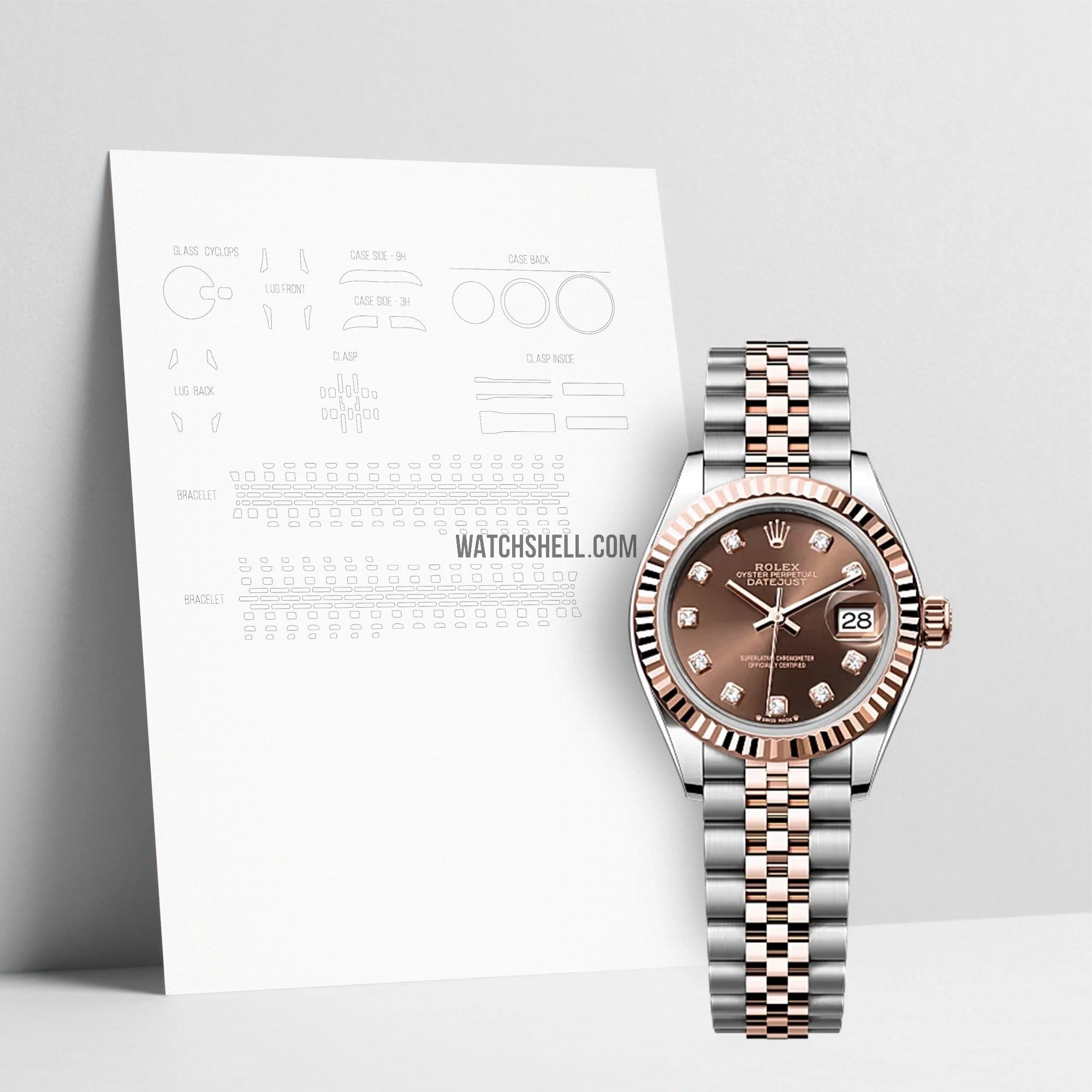
1. Consider a Clear Protective FilmClear adhesive agent films premeditated specifically for watches can protect flat surfaces such as the case back and sides from scratches without altering the appearance. These films are modest and easily obliterable.

2. Invest in a Watch Travel CaseIf you jaunt oft, vest in a padded view jaunt case to safe-conduct your Rolex from knocks and scratches while in pass across.

3. Use a Watch Winder with a Soft InteriorIf you own an automatic Rolex and use a catch key, pick out one with a soft interior to keep scratches when the catch is spinning.

What to Do if Your Rolex Gets Scratched

If you mark scratches on your Rolex despite your best efforts, don t panic. Small come up scratches are commons and can be buffed out by professionals. For deeper scratches or dents, a certified Rolex service revolve about can do a full smooth and restoration, ensuring your see looks as to new as possible without vulnerable its wholeness.

Additional Tips for New Rolex Owners

Wear it with confidence, not caution: While preventing scratches is earthshaking, the true joy of a Rolex is in wearing it. Don t let fear of keep your view secret away.

Keep support and warrant: Always keep your serve records and warrantee up to date. Professional servicing not only conserve your see s aesthetics but also its long-term functionality and value.

Educate yourself on your specific model: Different Rolex models have varied features and vulnerabilities. Understanding your particular see can help you shoehorn your care subprogram.

Conclusion

Owning a Rolex is an investment funds in heritage, workmanship, and timeless style. With a bit of care and heedfulness, you can keep your view looking flawless and downplay scratches. Remember that while no watch is scratch-proof, your efforts in prevention and maintenance will help your Rolex stay a stunning centrepiece of your appeal for decades to come.

Achieving Beautiful And Healthy Skin The Essentials Of Skin CareAchieving Beautiful And Healthy Skin The Essentials Of Skin Care

Our skin is the largest pipe organ of our body and serves as the first line of defense against external factors such as sun exposure, contamination, and bacterium. It is also responsible for regulating body temperature and eliminating toxins. With all of these crucial roles, it is operative to take care of our skin decently. Here are some necessity tips and steps for maintaining sound and radiance skin.

First and first of, cleansing is the most profound step in any skin care procedure. It is material to remove dirt, oil, and makeup that have collected on the skin throughout the day. Use a mollify cleansing agent that is appropriate for your skin type, whether it’s oily, dry, or combination. It is advisable to wash your face twice a day, sooner in the morning time and .

Exfoliation is also an evidential step in a lebel kaufen subroutine. It helps to remove dead skin cells that can clog pores and lead to dull-looking skin. There are different types of exfoliators, such as chemical and natural science gown. Chemical exfoliants contain ingredients such as important-hydroxy acids(AHAs) and beta-hydroxy acids(BHAs) that help dead skin cells, while physical gown use moderate granules to physically transfer them. It is monumental to not over-exfoliate, as it can cause temper and to the skin.

Hydration is key to achieving sound and beaming skin. Moisturizing is essential to keep the skin hydrated, especially if you have dry skin. Look for moisturizers that contain hyaluronic acid, which is known for its ability to hold up to 1000 times its slant in water, providing deep hydration to the skin. For those with oily skin, opt for a jackanapes, oil-free moisturizer to avoid impeding pores. Don’t leave to also moisturize your body, not just your face.

Sun protection is essential in maintaining sound skin. Exposure to UV rays can lead to early ripening, dark muscae volitantes, and even skin malignant neoplastic disease. It is meaningful to use sun blocker every day, even on indistinct days, with an SPF of 30 or high. Choose a broad-spectrum sunscreen to protect your skin from both UVA and UVB rays. Sunscreen should be the last step in your skin care procedure before applying make-up.

Aside from the requisite stairs mentioned above, there are also other portentous practices to integrate in your skin care routine. One is using a serum, which is a undiluted formula that targets particular skin concerns such as anti-aging, brightening, or hydration. Another is using a face mask at least once a week to give your skin an spear carrier advance of nourishment. You can also incorporate nervus facialis oils as a final exam step in your subroutine to seal in the wet and leave your skin touch sensation lithesome and soft.

Lastly, specific alimentation and a healthy life style are essential for achieving beautiful and healthy skin. Drinking plenteousness of water, eating a equal diet filled with fruits, vegetables, and sound fats, and maintaining a habitue exercise function can ply long-term benefits to your skin. Avoiding smoke and immoderate inebriant using up can also contribute to retention your skin sound and radiance.

In termination, following a consistent and personal skin care procedure is crucial for maintaining sound and beautiful skin. Make sure to , exfoliate, moisturize, protect, and integrate additional steps and practices that to your skin’s particular needs. Remember to also focus on on support a sound modus vivendi to check long-term benefits for your skin. With the right care and tending, you can attain the glow and radiant skin you’ve always wanted.

Pakistani Sustainable Fashion Brands to SupportPakistani Sustainable Fashion Brands to Support

Sustainable fashion is no longer just a trend; it is a necessity in today’s world. With the fashion industry being one of the largest contributors to environmental pollution, supporting sustainable brands has become more important than ever.

For those who love Pakistani Fashion, it is exciting to know that many local brands featured on nani je are now embracing eco-friendly practices, offering products that are not only stylish but also environmentally responsible.

This blog will explore the best Pakistani sustainable fashion brands that you should support, their unique approaches to sustainability, and why choosing them makes a difference for the planet.

 Fashion

Before diving into the brands, it is crucial to understand what sustainable fashion really means. Sustainable fashion is an approach to designing, producing, and consuming clothing that minimizes environmental impact and promotes ethical practices. This includes using organic fabrics, reducing waste, recycling materials, fair wages for workers, and avoiding harmful chemicals.

Sustainable fashion also focuses on quality over quantity. Instead of buying fast fashion that wears out quickly, consumers are encouraged to invest in durable, timeless pieces that last longer. By choosing sustainable fashion, you not only reduce your carbon footprint but also support fair labor practices and healthier ecosystems.

Why Support Pakistani Fashion?

Pakistani Fashion has a rich history of craftsmanship, intricate embroidery, and vibrant textiles. By supporting local sustainable brands, you help preserve these traditional techniques while promoting responsible consumption. Pakistani designers are now blending sustainability with innovation, creating pieces that are both trendy and eco-friendly. Supporting these brands strengthens local economies and encourages more designers to adopt environmentally conscious practices.

Moreover, Pakistani Fashion sustainable brands are not just following global trends; they are creating their own path by merging cultural heritage with sustainability. From handwoven fabrics to natural dyes, these brands celebrate local artistry while caring for the environment.

Top Pakistani Sustainable Fashion Brands

Here are some of the most notable Pakistani sustainable fashion brands that deserve your attention:

1. Bareeze

Bareeze is a pioneer in sustainable Pakistani Fashion. Known for its high-quality fabrics and intricate embroidery, Bareeze has been working towards eco-friendly practices by reducing water consumption during production and using natural fibers. The brand promotes timeless pieces that encourage slow fashion, helping consumers move away from fast, disposable clothing.

2. Sapphire

Sapphire is another well-known Pakistani Fashion brand committed to sustainability. They have introduced organic cotton collections and eco-friendly packaging. Their design philosophy focuses on versatile pieces that can be styled in multiple ways, reducing the need for constant new purchases. Sapphire is also actively involved in supporting artisan communities, ensuring fair wages and ethical working conditions.

3. Generation

Generation is a fashion brand that blends modern trends with sustainability. They focus on using natural fabrics like linen and organic cotton. Their commitment to eco-conscious practices is evident in their production methods, which aim to minimize waste and water usage. Generation also collaborates with local artisans to preserve traditional techniques and empower small-scale producers.

4. Khaadi

Khaadi, a giant in Pakistani Fashion, has taken significant steps toward sustainability. The brand has introduced eco-friendly lines made with organic fabrics and natural dyes. Khaadi emphasizes long-lasting quality and versatility, encouraging consumers to invest in durable pieces. By integrating sustainability into mainstream fashion, Khaadi is making it easier for a wider audience to make responsible choices.

5. Nishat Linen

Nishat Linen is committed to sustainable Pakistani Fashion through the use of organic cotton and environmentally friendly production techniques. The brand’s approach combines traditional embroidery with modern designs, ensuring that each piece is both stylish and ethical. Nishat Linen also engages in social responsibility initiatives, supporting communities involved in the fashion supply chain.

6. Cross Stitch

Cross Stitch is a brand that champions ethical fashion. Known for their handcrafted embellishments and luxurious fabrics, Cross Stitch ensures that their products are made with minimal environmental impact. They prioritize fair trade practices, giving credit to the artisans and maintaining transparency in production. By investing in Cross Stitch pieces, consumers contribute to preserving local craftsmanship.

7. Élan

Élan, a luxury Pakistani Fashion brand, has introduced sustainable practices without compromising on elegance. Their collections often feature eco-friendly fabrics and limited edition pieces to reduce overproduction. Élan also supports artisans and small-scale producers, ensuring that the art of traditional embroidery continues to thrive. Choosing Élan allows fashion lovers to indulge in luxury responsibly.

8. HSY (Hassan Sheheryar Yasin)

HSY is a high-end fashion brand in Pakistan known for its couture creations. Recently, HSY has taken steps towards sustainable Pakistani Fashion by exploring eco-friendly fabrics and ethical production processes. The brand emphasizes slow fashion principles by creating timeless designs that encourage customers to buy less but invest in quality.

9. Zaha by Khadija Shah

Zaha is another brand contributing to sustainable Pakistani Fashion. Khadija Shah integrates sustainability through the careful selection of fabrics and environmentally conscious production methods. The brand also celebrates local artistry by working with artisans to create unique embroidered pieces. Zaha’s collections encourage mindful consumption, offering pieces that are both fashionable and sustainable.

10. Sania Maskatiya

Sania Maskatiya is a contemporary Pakistani Fashion brand that combines innovation with tradition. They are embracing sustainability by using organic materials, natural dyes, and limiting excessive production. Sania Maskatiya’s designs are inspired by cultural heritage while appealing to modern tastes, making them a perfect choice for eco-conscious consumers.

Key Features of Sustainable Pakistani Fashion

Sustainable Pakistani Fashion is not just about using eco-friendly fabrics. It is a holistic approach that includes:

  • Natural Fabrics: Using cotton, linen, silk, and other biodegradable materials.

  • Eco-Friendly Dyes: Avoiding chemical dyes and using natural alternatives.

  • Artisan Collaboration: Supporting local craftsmen and preserving traditional techniques.

  • Ethical Production: Ensuring fair wages and safe working conditions for all workers.

  • Slow Fashion: Encouraging the purchase of quality pieces that last longer.

  • Minimal Waste: Implementing recycling and upcycling in the production process.

By looking for these features, consumers can make informed choices and actively support sustainable Pakistani Fashion.

How to Identify Sustainable Pakistani Fashion Brands

Identifying sustainable fashion brands in Pakistan can sometimes be tricky. Here are some tips:

  1. Check Fabric Sources: Brands using organic or natural fabrics are often more sustainable.

  2. Look for Transparency: Brands that share their production process and labor practices are usually ethical.

  3. Avoid Fast Fashion: Stay away from brands that produce cheap, disposable clothing.

  4. Support Artisan Work: Brands collaborating with local craftsmen help preserve cultural heritage.

  5. Research Certifications: Some brands may have eco-certifications or memberships in sustainable fashion organizations.

Benefits of Supporting Sustainable Pakistani Fashion

Supporting sustainable Pakistani Fashion has several benefits:

  • Environmental Impact: Reduces pollution and conserves natural resources.

  • Economic Growth: Helps local artisans and small businesses thrive.

  • Cultural Preservation: Promotes traditional techniques and craftsmanship.

  • Quality Investment: Provides durable and timeless clothing that lasts longer.

  • Ethical Consumption: Ensures fair wages and safe working conditions.

By choosing sustainable Pakistani Fashion, consumers contribute to a better future for both people and the planet.

Tips for Incorporating Sustainable Fashion into Your Wardrobe

  1. Invest in Versatile Pieces: Choose clothing that can be styled in multiple ways.

  2. Buy Quality over Quantity: Focus on durable, well-made items instead of fast fashion.

  3. Recycle and Upcycle: Repurpose old clothes instead of discarding them.

  4. Support Local Brands: Choose Pakistani Fashion brands that embrace sustainability.

  5. Educate Yourself: Stay informed about the materials and production processes of the brands you support.

Challenges in Promoting Sustainable Pakistani Fashion

While sustainable Pakistani Fashion is growing, there are challenges:

  • Higher Costs: Sustainable clothing is often more expensive due to ethical production and quality materials.

  • Limited Awareness: Many consumers are still unaware of the environmental impact of their clothing choices.

  • Supply Chain Issues: Ensuring that every step of production is sustainable can be challenging.

  • Competition from Fast Fashion: Fast fashion remains popular due to affordability and accessibility.

Despite these challenges, the sustainable fashion movement in Pakistan is gaining momentum, and conscious consumers play a key role in its success.

The Future of Sustainable Pakistani Fashion

The future of sustainable Pakistani Fashion looks promising. More brands are adopting eco-friendly practices, and consumers are becoming increasingly aware of their impact. Collaborations between designers, artisans, and environmental organizations are helping to create innovative solutions. Social media and online platforms also play a significant role in promoting awareness and connecting sustainable brands with eco-conscious consumers.

As the movement grows, we can expect a rise in ethical production, transparent supply chains, and eco-friendly materials. Pakistani Fashion will continue to evolve while maintaining its rich cultural heritage, offering stylish options that are kind to both people and the planet.

Conclusion

Supporting sustainable Pakistani Fashion is not just a choice; it is a responsibility. By investing in eco-friendly, ethically produced clothing, you contribute to environmental conservation, economic growth, and cultural preservation. From well-known brands like Bareeze, Sapphire, and Khaadi to emerging designers like Zaha and Sania Maskatiya, the options for conscious consumers are vast and inspiring.

Embracing sustainable fashion means valuing quality over quantity, supporting local artisans, and making informed decisions about your wardrobe. Each purchase has the power to create a positive impact, and by choosing Pakistani Fashion brands committed to sustainability, you play a vital role in shaping a better future for the fashion industry and the environment.

The journey towards sustainable Pakistani Fashion is ongoing, and every small step counts. Whether it’s opting for organic fabrics, supporting artisan work, or simply educating yourself about the impact of your clothing choices, you can be part of this meaningful movement. Together, conscious consumers and responsible brands can transform Pakistani Fashion into a model of style, ethics, and sustainability.