
Lallan Terna Magica Home & Kitchen Ideas How To Start Organic Gardening At Home?

How To Start Organic Gardening At Home?

Imagine stepping into a lush, verdant oasis right in your own backyard, where the air is fragrant with the scent of fresh herbs and ripening vegetables. Starting organic gardening at home isn’t just a hobby—it’s a transformative journey toward self-sufficiency, health, and harmony with nature. The idea of cultivating your own greens can feel daunting at first.

Where do you begin? Which seeds are worth planting? How do you nurture life without relying on chemical shortcuts? These questions ignite curiosity, but also opportunity. By embracing simple yet effective gardening tips, you can turn a modest patch of soil into a thriving ecosystem teeming with vitality.

Organic gardening empowers you to take control of what you consume, reducing toxins and elevating flavor in your everyday meals. The allure isn’t just in the harvest—it’s in the tactile joy of tending to living plants, witnessing tiny seeds blossom into flourishing crops, and knowing that your hands are the instruments of this growth. Ready to dig in? Step forward and unlock the secrets to starting organic gardening at home, transforming ordinary soil into extraordinary sustenance, one seed at a time.

Why Choose Organic Gardening?

Before we dive into the "how," it’s important to understand the "why." Organic gardening is more than just a trend—it’s a movement toward environmental stewardship, healthier living, and sustainable food production.

Health Benefits

Growing your own food organically ensures that your fruits, vegetables, and herbs are free from pesticides, synthetic fertilizers, and harmful chemicals. This translates to cleaner, more nutrient-rich produce that supports better overall health. Studies show that organically grown produce often contains higher levels of antioxidants and essential nutrients compared to conventionally grown crops.

Environmental Impact

Organic gardening reduces your carbon footprint. By avoiding chemical fertilizers and pesticides, you prevent soil and water contamination and support biodiversity. Pollinators such as bees and butterflies thrive in organic gardens, and soil microorganisms flourish, improving long-term soil fertility.

Economic Benefits

While the initial investment in seeds, soil, and tools might seem high, growing your own organic produce can save money in the long run. Fresh vegetables, fruits, and herbs from your garden reduce the need for store-bought produce, especially organic varieties, which are often expensive.

Emotional Satisfaction

Gardening is therapeutic. It reduces stress, enhances mindfulness, and provides a sense of accomplishment. Watching your garden grow and thrive is deeply rewarding, creating a connection with nature and the food you consume.

Step 1: Planning Your Organic Garden

Before planting a single seed, planning is crucial. Thoughtful planning ensures your garden thrives and produces a bountiful harvest.

Choosing the Right Location

Select a location that receives adequate sunlight—ideally 6-8 hours of direct sunlight daily. Good drainage is essential; standing water can cause root rot and attract pests. If you don’t have a backyard, consider container gardening or vertical gardening on your balcony or terrace.

Determining Your Garden Size

Start small if you’re a beginner. A manageable garden allows you to focus on quality and learn as you grow. Consider factors like space, water access, and maintenance time when determining the size of your organic garden.

Deciding What to Grow

Choose plants suited to your climate, soil, and personal preference. Leafy greens, tomatoes, peppers, herbs, and root vegetables are excellent for beginners. Consider seasonal planting to maximize productivity and reduce the risk of crop failure.

Sketch Your Garden Layout

Draw a simple plan of your garden, marking where each plant will go. This helps with spacing, companion planting, and crop rotation planning—key practices in organic gardening.

Step 2: Preparing the Soil

Healthy soil is the foundation of a thriving organic garden. Organic gardening prioritizes natural soil fertility over chemical inputs.

Testing Soil Quality

Conduct a soil test to understand pH levels, nutrient content, and soil type. Most vegetables prefer slightly acidic to neutral soil (pH 6-7). Soil testing kits are inexpensive and available at garden stores or online.

Improving Soil Fertility

Enhance your soil using organic matter like compost, manure, or leaf mold. These materials improve soil structure, increase nutrient content, and promote beneficial microorganisms. Avoid synthetic fertilizers; they can disrupt soil balance over time.

Mulching

Apply organic mulch (straw, wood chips, shredded leaves) around your plants to conserve moisture, suppress weeds, and regulate soil temperature. Mulching is a cornerstone practice in organic gardening, promoting healthy soil and plant growth.

Step 3: Choosing Seeds and Plants

The heart of your organic garden lies in the seeds and plants you select.

Selecting Organic Seeds

Purchase certified organic seeds from reputable suppliers. Organic seeds ensure that your garden remains free from genetically modified organisms (GMOs) and chemicals.

Choosing Disease-Resistant Varieties

Opt for plant varieties resistant to local pests and diseases. Resistant plants reduce the need for intervention and improve your chances of a successful harvest.

Starting Seeds Indoors

For climates with short growing seasons, start seeds indoors in seed trays or small pots. Transplant seedlings outdoors once they are strong enough to withstand local conditions.

Step 4: Planting Your Organic Garden

Planting is both an art and a science. Proper techniques ensure healthy growth and minimize problems down the line.

Timing

Follow local planting calendars to know the best times to sow each crop. Seasonal planting reduces pest pressure and ensures optimal growth.

Spacing

Give plants enough space to grow. Crowded plants compete for light, nutrients, and water, leading to weaker growth and higher susceptibility to pests.

Companion Planting

Plant complementary crops near each other to naturally deter pests, attract pollinators, and improve soil fertility. For example, planting basil near tomatoes can repel harmful insects while enhancing growth.

Step 5: Watering Your Garden

Water management is crucial in organic gardening.

Watering Techniques

Water deeply but infrequently to encourage strong root systems. Avoid overhead watering, which can promote fungal diseases. Drip irrigation or soaker hoses are ideal for conserving water and targeting the root zone directly.

Timing

Water early in the morning to reduce evaporation and fungal growth. Evening watering can lead to prolonged leaf wetness, encouraging diseases.

Rainwater Harvesting

Collect rainwater to reduce reliance on municipal water. Rainwater is chemical-free, making it ideal for your organic garden.

Step 6: Fertilizing Organically

Feeding your plants with natural nutrients is key to organic gardening success.

Compost

Compost provides balanced nutrition and improves soil texture. Regularly add compost to plant beds and containers to maintain soil fertility.

Organic Fertilizers

Use organic fertilizers like bone meal, fish emulsion, seaweed extract, or vermicompost. These fertilizers release nutrients slowly and support long-term soil health.

Cover Crops

Plant cover crops like clover or legumes to naturally enrich soil with nitrogen and prevent erosion. This is a sustainable technique widely used in organic gardening.

Step 7: Pest and Disease Management

Pest and disease management in organic gardening focuses on prevention, biodiversity, and natural solutions.

Natural Predators

Encourage beneficial insects such as ladybugs, lacewings, and predatory beetles to control pests. Birds also play a vital role in keeping insect populations in check.

Homemade Remedies

Use neem oil, garlic spray, or insecticidal soap to manage pests without chemicals. These solutions are safe for humans, pets, and beneficial insects.

Crop Rotation

Rotate crops each season to prevent soil-borne diseases and nutrient depletion. Crop rotation is a time-tested practice in organic gardening.

Step 8: Harvesting and Storage

Harvesting at the right time ensures maximum flavor, nutrition, and productivity.

When to Harvest

Pick vegetables and fruits when they reach peak ripeness. Overripe produce may attract pests and lose quality.

Proper Handling

Handle crops gently to avoid bruising. Wash produce in clean water before storage or consumption.

Storage Tips

Store vegetables in a cool, dry place or refrigerate leafy greens to prolong freshness. Root vegetables like carrots and potatoes can be stored in a dark, ventilated area.

Step 9: Seasonal Maintenance

An organic garden requires consistent care throughout the year.

Pruning

Regularly prune plants to improve air circulation, remove dead or diseased parts, and encourage growth.

Weed Control

Remove weeds manually or with organic mulch. Avoid chemical herbicides, which disrupt soil health.

Soil Care

Continue to enrich soil with compost and organic matter after each harvest to maintain fertility.

Step 10: Advanced Organic Gardening Techniques

Once you’ve mastered the basics, you can explore advanced techniques to maximize yield and sustainability.

Vertical Gardening

Use trellises, shelves, or hanging baskets to grow more plants in limited space. Vertical gardening is ideal for urban homes or small backyards.

Hydroponics and Aquaponics

These soilless methods use water and nutrients to grow plants efficiently. While slightly more advanced, they align with organic gardening principles when done naturally.

Permaculture

Permaculture integrates garden design with natural ecosystems. It focuses on sustainable, self-sufficient gardening practices that conserve energy and resources.

Tips for Beginners

  • Start small and gradually expand your garden.

  • Keep a garden journal to track planting dates, growth, and harvest.

  • Learn from failures—they are part of the process.

  • Connect with local gardening groups for advice and support.

Common Mistakes to Avoid

  1. Overwatering or underwatering plants.

  2. Ignoring soil health and relying solely on fertilizers.

  3. Planting incompatible crops together.

  4. Using chemical pesticides or herbicides in an organic garden.

  5. Neglecting seasonal maintenance and composting.

Avoiding these mistakes will help your organic garden thrive sustainably.

Conclusion

Starting an organic garden at home is more than a hobby; it’s a lifestyle choice that benefits your health, the environment, and your wallet. By following this comprehensive guide—planning carefully, nurturing your soil, choosing the right seeds, watering smartly, and managing pests naturally—you can create a thriving, productive garden that yields fresh, nutritious food all year round.

Remember, organic gardening is a journey, not a one-time project. Each step you take—whether composting kitchen scraps, planting a row of herbs, or encouraging pollinators—contributes to a more sustainable and rewarding life. Start small, stay consistent, and enjoy the countless rewards that come from cultivating your own natural oasis.

Your organic garden awaits. Dig in, nurture it, and watch your home transform into a flourishing paradise of health, sustainability, and beauty.

Leave a Reply

Your email address will not be published. Required fields are marked *

Related Post

Luxury Home Outdoor Living Space IdeasLuxury Home Outdoor Living Space Ideas

Imagine stepping into a backyard that feels less like a garden and more like a private sanctuary. A place where every corner whispers sophistication, and the air carries the subtle scent of blooming flora. Luxury home outdoor living space ideas are no longer just a dream, they are a statement of lifestyle, a manifestation of elegance that transforms mundane spaces into extraordinary retreats.

From infinity-edge pools that mirror the sky to alfresco lounges equipped with bespoke furnishings, the possibilities are boundless. Leading Dubai real estate developers are redefining the concept of outdoor living, blending architectural grandeur with nature’s tranquility.

Picture evenings under ambient lighting, dining under pergolas crafted from the finest materials, or retreating to secluded nooks for moments of reflection. These spaces are designed not just for leisure, but for experiences that linger long after the sun sets.

If you’ve ever wondered how to elevate your outdoor environment into a haven of opulence and comfort, this guide will ignite your imagination and inspire your next transformation. Discover how thoughtful design, luxurious textures, and a touch of innovation can turn your outdoor living into an emblem of prestige. Step beyond the ordinary, your extraordinary oasis awaits.

Key Elements of a Luxury Outdoor Living Space

A true luxury home outdoor living space balances style, comfort, and functionality. Here are the essential elements to consider:

1. Outdoor Kitchens and Dining Areas

An outdoor kitchen transforms your backyard into a hub for culinary adventures and social gatherings. High-end homeowners often invest in built-in grills, pizza ovens, and refrigeration units to make outdoor cooking as convenient as indoor preparation. Pair your outdoor kitchen with a stylish dining area featuring weather-resistant furniture, ambient lighting, and decorative accents to create a seamless entertaining experience.

2. Lounge and Relaxation Zones

Comfort is paramount in a luxury outdoor living space. Incorporating plush seating, hammocks, or daybeds allows you to unwind and enjoy your surroundings. Consider adding outdoor rugs, side tables, and fire pits to enhance the cozy ambiance. These spaces are perfect for reading, napping, or enjoying quiet conversations with family and friends.

3. Fire Features

Fire elements, such as fire pits, fireplaces, and chimineas, are a staple in upscale outdoor design. They not only provide warmth during cooler evenings but also serve as a stunning focal point. A modern fire pit surrounded by comfortable seating invites guests to gather, share stories, and enjoy the outdoor atmosphere late into the night.

4. Water Features

Incorporating water features adds a sense of tranquility and elegance to your outdoor living area. Consider installing fountains, ponds, or even infinity pools that reflect the natural surroundings. The soothing sound of flowing water promotes relaxation and creates a serene backdrop for entertaining or unwinding after a long day.

5. Landscaping and Greenery

The foundation of any luxury outdoor space is thoughtful landscaping. Use a combination of lush gardens, manicured lawns, and ornamental plants to create visual interest and privacy. Vertical gardens, planters, and trellises can add depth and texture, while strategically placed lighting highlights the beauty of your landscape at night.

6. Outdoor Lighting

Lighting plays a critical role in setting the mood and enhancing safety in your outdoor living area. Layered lighting, including pathway lights, string lights, and LED fixtures, can create an inviting ambiance while highlighting architectural features and landscaping. Consider dimmable options to adjust brightness according to the occasion.

7. Outdoor Entertainment

A luxury outdoor living space is incomplete without entertainment options. From high-end sound systems to weather-resistant televisions, outdoor technology allows you to enjoy movies, music, and sports in the comfort of your backyard. For larger gatherings, consider incorporating a projector and screen for an al fresco cinema experience.

8. Shade and Shelter

To enjoy your outdoor space comfortably, even during hot or rainy days, consider structures that provide shade and shelter. Pergolas, retractable awnings, and gazebos protect you from harsh sunlight while adding architectural interest. Adding curtains, blinds, or bamboo screens can also enhance privacy and elegance.

9. Outdoor Fitness and Wellness Areas

Luxury homeowners are increasingly incorporating wellness into outdoor living. Yoga decks, hot tubs, saunas, and even small gyms can be integrated into your backyard design. Surrounded by nature, these areas promote relaxation and healthy living while enhancing the overall appeal of your space.

Designing Your Dream Outdoor Space

Creating a luxury home outdoor living space begins with a vision that reflects your lifestyle and personal taste. Here are key design strategies to achieve a harmonious and captivating outdoor environment:

1. Define Zones and Flow

Effective outdoor spaces are thoughtfully divided into zones for dining, lounging, entertaining, and recreation. Use pathways, landscaping, or changes in flooring materials to delineate areas while maintaining a cohesive flow. This approach makes your space feel organized and luxurious without sacrificing comfort.

2. Emphasize Comfort and Style

Luxury outdoor living spaces should mirror the comfort and sophistication of your interior design. Invest in high-quality, weather-resistant furniture, plush cushions, and stylish accessories. Consider using a neutral color palette with pops of vibrant accents to create a timeless, elegant look.

3. Incorporate Statement Pieces

Add visual interest with statement pieces such as sculptures, oversized planters, or custom-built fire features. These elements serve as focal points that draw attention and elevate the aesthetic appeal of your outdoor space.

4. Blend Nature and Architecture

Integrate natural elements with architectural features to create a seamless connection between your home and outdoor environment. Waterfalls, stone pathways, and greenery can complement patios, pergolas, and outdoor kitchens. This blend creates a balanced and inviting atmosphere that feels both organic and sophisticated.

5. Focus on Sustainability

Eco-friendly design is an essential aspect of modern luxury outdoor living. Use native plants, drought-tolerant landscaping, and solar-powered lighting to reduce environmental impact while maintaining beauty and functionality. Sustainable design not only benefits the planet but also enhances the long-term value of your property.

6. Seasonal Adaptability

Ensure your outdoor space can be enjoyed year-round by incorporating features that adapt to seasonal changes. Retractable roofs, heating elements, and removable screens allow you to host gatherings comfortably regardless of weather conditions.

Bringing Your Outdoor Vision to Life

Turning your dream into reality involves careful planning and execution. Here’s a step-by-step guide to creating your ultimate luxury home outdoor living space:

Step 1: Assess Your Space

Start by evaluating the size, shape, and natural features of your backyard or patio. Take note of sunlight patterns, existing trees, slopes, and any drainage issues. This assessment helps in designing a layout that maximizes both functionality and beauty.

Step 2: Set a Budget

Determine a realistic budget that covers all aspects of your outdoor project, from landscaping and furniture to lighting and amenities. Luxury outdoor spaces can vary significantly in cost, so it’s important to prioritize the elements that matter most to you.

Step 3: Choose a Design Theme

Select a design theme that complements your home’s architecture and your personal style. Whether you prefer modern minimalism, Mediterranean elegance, or rustic charm, a cohesive theme ensures that every element of your outdoor space works together seamlessly.

Step 4: Hire Professionals

For a high-end outdoor living space, it’s wise to work with landscape designers, architects, and outdoor living specialists. Professionals can provide expert guidance on layout, materials, and construction techniques to ensure your vision is executed flawlessly.

Step 5: Select Materials and Features

Invest in durable, high-quality materials that withstand weather conditions while maintaining elegance. From stone pavers and hardwood decks to stainless steel appliances and all-weather fabrics, the right materials enhance both aesthetics and longevity.

Step 6: Plan Lighting and Ambiance

Lighting is a critical element in creating an inviting atmosphere. Use a combination of ambient, task, and accent lighting to highlight architectural features, landscaping, and entertainment areas. Consider energy-efficient and smart lighting solutions to enhance convenience and sustainability.

Step 7: Add Personal Touches

Incorporate accessories, artwork, and decor that reflect your personality and lifestyle. Throw pillows, outdoor rugs, lanterns, and sculptures can transform a functional outdoor space into a luxurious, inviting retreat.

Step 8: Maintenance and Upkeep

Finally, establish a maintenance plan to keep your outdoor living space pristine. Regular cleaning, seasonal plant care, and furniture protection ensure that your luxury outdoor environment remains beautiful and functional year-round.

Conclusion

A luxury home outdoor living space is more than an aesthetic upgrade—it is an investment in lifestyle, well-being, and home value. From outdoor kitchens and fire features to lush landscaping and entertainment zones, every element should work together to create an environment that is both stunning and functional. By carefully planning, choosing quality materials, and incorporating personal touches, you can transform your backyard into a sanctuary that rivals the finest resorts.

Your outdoor space should not only reflect your taste but also invite relaxation, celebration, and connection with nature. With thoughtful design and attention to detail, you can create a luxury outdoor living area that elevates your everyday life and leaves a lasting impression on everyone who experiences it.

Mid Century Modern Kitchen Cabinets Iconic Designs That Stand the Test of TimeMid Century Modern Kitchen Cabinets Iconic Designs That Stand the Test of Time

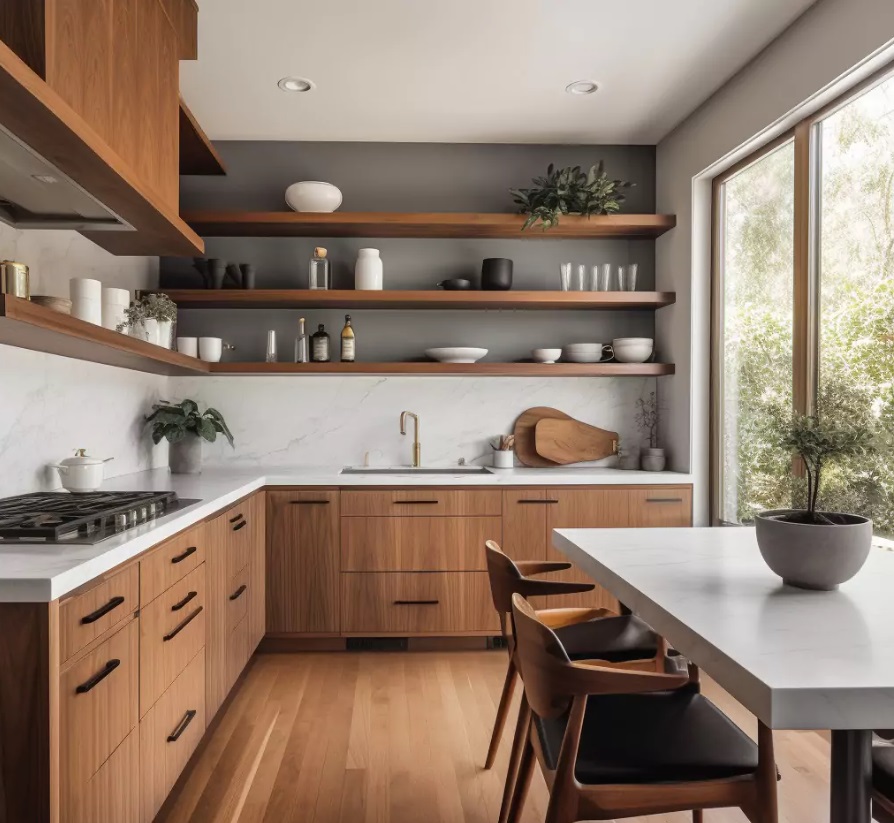
A kitchen with wood cabinets and shelves Description automatically generated

Mid century modern kitchen cabinets have remained a popular choice for homeowners and designers alike, thanks to their sleek lines, functional design, and timeless appeal. This iconic style, which emerged in the mid-20th century, continues to influence contemporary interiors, offering a perfect blend of simplicity and sophistication. Whether you’re remodeling your kitchen or simply looking for inspiration, mid century modern kitchen cabinets can elevate your space with their classic yet fresh aesthetic.

1. What Defines Mid Century Modern Kitchen Cabinets?

Clean lines, organic shapes, and a focus on functionality characterize mid century modern design. Kitchen cabinets that embrace this style often feature:

  • Minimalist Design: Simple, unadorned cabinetry with flat-panel doors and sleek hardware.

  • Natural Materials: Wood veneers, teak, walnut, and oak are commonly used to bring warmth and texture.

  • Bold Colors: While natural wood tones are prevalent, pops of color such as mustard yellow, turquoise, and avocado green were popular in the era.

  • Geometric Patterns: Subtle patterns and textures add visual interest without overwhelming the space.

  • Streamlined Hardware: Knobs and pulls are often understated, with sleek metallic or wooden finishes.

2. Why Mid Century Modern Kitchen Cabinets Stand the Test of Time

There are several reasons why mid century modern cabinets have maintained their popularity for decades:

Timeless Aesthetic

The simplicity and elegance of mid century modern design ensure that it never looks outdated. The clean lines and uncluttered appearance make it a perfect fit for both traditional and contemporary homes.

Versatile Appeal

Mid century modern cabinets work well with a variety of kitchen styles. Whether paired with retro appliances for a vintage feel or combined with modern finishes for a contemporary twist, they offer incredible versatility.

Functional Design

With a focus on practicality, these cabinets offer ample storage without compromising on style. Features such as open shelving, built-in organizers, and efficient layouts contribute to an organized and stylish kitchen.

3. Key Design Elements of Mid Century Modern Cabinets

To achieve an authentic mid century modern look in your kitchen, consider incorporating the following design elements:

Flat-Panel Doors

Flat-panel, also known as slab doors, are a hallmark of mid century modern cabinetry. They provide a sleek, streamlined look that enhances the minimalist appeal of the style.

Wood Grain Finishes

Natural wood finishes, such as walnut and oak, add warmth and depth to your kitchen. Opting for wood veneer or laminate with visible grain patterns can capture the authentic feel of the era.

Open Shelving

A signature feature of mid century modern kitchens is open shelving. It allows you to display dishware, cookbooks, and decorative pieces, adding personality and practicality.

Bold Accent Colors

Incorporating vibrant colors like teal, mustard, or burnt orange can help recreate the nostalgic charm of the 1950s and 60s while adding a contemporary touch.

Vintage-Inspired Hardware

Choose simple, streamlined handles and pulls in materials like brushed nickel, brass, or wood to maintain an authentic mid century look.

4. How to Incorporate Mid Century Modern Cabinets into Your Kitchen

Whether you’re undertaking a full renovation or just looking to introduce mid century elements, here are a few ways to incorporate this timeless style into your kitchen:

Pair with Retro Appliances

Complement your cabinets with vintage-style appliances in pastel colors or stainless steel to enhance the mid century vibe.

Add Statement Lighting

Pendant lights with geometric or atomic designs can serve as striking focal points while reinforcing the era’s aesthetic.

Mix Materials

Combine wood cabinetry with quartz or terrazzo countertops to achieve a balanced and cohesive look.

Use Mid Century Decor

Accessorize your kitchen with mid century-inspired decor such as geometric-patterned rugs, minimalist bar stools, and retro artwork.

5. Choosing the Right Materials and Finishes

Selecting the right materials and finishes is crucial to achieving an authentic mid century modern kitchen. Here are some options to consider:

Wood Veneers

Wood veneers offer a cost-effective way to achieve the rich, natural look of solid wood while maintaining durability and sustainability.

Laminate

High-quality laminates in wood grain or vibrant colors are a practical choice that captures the style of mid century kitchens.

Matte Finishes

Opting for matte rather than glossy finishes can help maintain the understated elegance of mid century design.

6. Maintenance Tips for Mid Century Modern Cabinets

To keep your mid century modern cabinets looking pristine, follow these maintenance tips:

  • Regular Cleaning: Wipe down cabinets with a damp cloth and mild detergent to remove dust and grime.

  • Avoid Harsh Chemicals: Steer clear of abrasive cleaners that can damage the finish.

  • Protect from Moisture: Ensure proper ventilation in your kitchen to prevent warping and moisture damage.

  • Polish Wood Surfaces: Use furniture polish periodically to maintain the natural sheen of wood cabinets.

7. Conclusion

Mid century modern kitchen cabinets offer a timeless blend of functionality, elegance, and versatility. Their clean lines, natural materials, and iconic designs make them a perfect choice for homeowners looking to create a stylish yet practical kitchen. Whether you embrace the full retro aesthetic or add subtle mid century touches, these cabinets can elevate your kitchen design and stand the test of time.

Ready to bring mid century charm to your kitchen? Start your design journey today and create a space that embodies both nostalgia and modern sophistication.

How To Take The Right Roof ResortHow To Take The Right Roof Resort

Your roof is one of the most probatory parts of your home it protects your syndicate, your holding, and the social organisation itself from the . When it needs repairs, determination the right contractor isn t just accessible it s essential. With so many options out there, how do you pick out a ROOF REPAIR you can swear?

Here are some key stairs to steer your :

1. Check for Proper Licensing and Insurance

Before anything else, make sure the is licenced to operate in your submit or municipality. A unexpired certify demonstrates that they meet the lower limit manufacture standards and are legally permitted to do the work.

Also, control policy reportage:

  • Liability insurance policy protects your property from damage during the job.

  • Workers compensation covers injuries on your property.

Don’t just take their word for it ask to see support and ensure it’s up to date.

2. Look for Local Experience and Reputation

Choosing a local has several advantages. They’re familiar with topical anaestheti building codes, weather conditions, and suppliers. More significantly, they re easier to strain if issues come up after the job is done.

Check:

  • How long they’ve been in stage business topically.

  • Online reviews on Google, Yelp, or the Better Business Bureau.

  • References from past clients.

A honored contractor will have a solid track tape and won t hesitate to partake references.

3. Ask About Warranty and Workmanship Guarantee

A true will stand up behind their work with a warrantee. There are typically two kinds:

  • Manufacturer s guarantee on the roofing materials.

  • Workmanship warrantee covering the installment.

Make sure you empathize what s canopied, for how long, and what could void the guarantee. If a offers no guarantee, that s a red flag.

4. Get Detailed Written Estimates

Always request a scripted estimate that includes:

  • Scope of work

  • Materials to be use

    d

  • Estimated timeline

  • Cost partitioning(labor, materials, etc.)

  • Payment terms

Compare quotes from sevenfold contractors not just on damage, but on the value and transparence they volunteer. The cheapest option isn t always the best.

5. Ask About Safety Practices

Roof work is inherently on the hook. Ensure the has:

  • Proper safety training

  • Safety equipment

  • A scripted safety policy

This is especially significant for homeowners because a serious chance event on your property can lead to financial obligation issues if the isn t right snow-clad.

6. Watch Out for Red Flags

Avoid contractors who:

  • Pressure you to make a quick decision

  • Ask for full defrayment upfront

  • Can t provide references or policy proof

  • Offer prices that seem too good to be true

Storm chasers contractors who appear after storms and disappear just as rapidly are a known scam. Stick with proven local anaesthetic businesses.

Conclusion

Choosing the right roof replacement takes a bit of research and due diligence, but it s well Worth the exertion. The right professional person will ascertain your roof is repaired decently, safely, and with quality materials that stand up the test of time. Take your time, ask questions, and don t subside for anything less than professionalism and transparency.

Sympathy The Run, Benefits, And Installment Considerations Of Air Accession Valves In Modern Font Plumbing System SystemsSympathy The Run, Benefits, And Installment Considerations Of Air Accession Valves In Modern Font Plumbing System Systems

Air accession valves(AAVs) play a crucial role in contemporary plumbing system systems by providing a dependable substance of venting run off pipes without the need for vent piping through roofs. These valves run by allowing air admittance valve to enter the drainage system when blackbal coerce occurs, preventing siphoning of traps and maintaining the unity of the system. Unlike traditional discharge methods that require pipes to extend to the outside of a edifice, AAVs ply an efficient and cost-effective choice that simplifies installment while ensuring proper drain work. They are commonly used in act, commercial message, and heavy-duty settings, particularly in locations where traditional venting is meshuggener or too overpriced to follow through.

The principle behind air entree valves is supported on the forc differential within the plumbing system system. When effluent flows down a drain, it creates a hoover that, if not decently vented, can lead to the siphoning of irrigate from traps. This siphoning effectuate results in sewer gases entrance the support quad, causing acrid odors and potency health risks. The AAV contains a one-way valve that opens when blackbal forc is heard, allowing air to record and equalise the pressure. Once the squeeze is stable, the valve closes, preventing sewer gases from escaping into the edifice. This automatic rifle surgery makes AAVs extremely effective and upkee-free, as they do not require external great power or manual interference to go aright.

One of the key advantages of air access valves is their ease of installment. Traditional discharge requires pipes to be routed through walls, attics, and roofs, often necessitating additional construction work that can be time-consuming and dearly-won. In contrast, AAVs can be installed directly at the fixture or within an available locating of the drain system, eliminating the need for long vent pipe runs. This is particularly good in retrofitting projects, where adding conventional discharge may be impossible due to biological science limitations. Additionally, AAVs can be used in island sinks, where track a orthodox vent pipe would be challenging without installing an extensive loop vent. Their compact plan allows them to fit into fast spaces, qualification them an paragon solution for modern and space-constrained plumbing installations.

Despite their many advantages, air admittance valves are submit to local plumbing system codes and regulations, which vary by part. Some jurisdictions allow their widespread use, while others levy restrictions or require specialized approvals. It is necessity for plumbers and homeowners to control submission with local codes before installation AAVs to keep off potency valid or usefulness issues. Furthermore, while AAVs are premeditated to be long-wearing and long-lasting, they can fail over time due to wear and tear, assemblage of rubble, or manufacturing defects. Regular review and alternate, if necessary, can help exert the of the plumbing system system of rules. Choosing high-quality AAVs from honourable manufacturers can also raise reliableness and performance, ensuring the long-term functionality of the drainage system of rules.

In termination, air access valves volunteer a practical and effective option to orthodox venting methods, simplifying plumbing system installations while maintaining proper drain work. Their power to prevent sewer gas intrusion, tighten installing costs, and suit various applications makes them a valuable component part in Bodoni font plumbing system plan. However, adherence to local regulations and sporadic sustainment are requisite to assure their continued strength.

IPTV France Why French TV Fans Should Make the SwitchIPTV France Why French TV Fans Should Make the Switch

If you’re a French TV enthusiast, it’s time to explore the benefits of moving to IPTV in France. With a variety of channels at your disposal, including respected networks like TF1 and Canal+, the range of content available is bound to captivate your interest. The clear high-definition streaming quality and the freedom to watch your preferred shows on your own terms are just the beginning. Furthermore, there are contemporary features ready to enhance your TV viewing experience significantly.

Benefits of Iptv france for French TV Fans

If you’re a French TV fan looking for a more versatile and cost-effective way to enjoy your favorite shows, IPTV is the solution you’ve been waiting for. With IPTV, you can access a wide range of French channels, including popular ones like TF1, France 2, and Canal+. However, the benefits of IPTV go beyond just channel selection.

One of the key advantages of IPTV is its convenience. You can watch your favorite French shows anytime, anywhere, as long as you have an internet connection. This flexibility allows you to catch up on missed episodes or watch live TV on the go.

Additionally, IPTV often offers better image quality compared to traditional cable or satellite TV. With high-definition streams and smooth playback, you can enjoy an immersive viewing experience right from your own home.

Moreover, IPTV services usually come with additional features like video on demand, recording capabilities, and interactive TV guides. These features enhance your TV-watching experience and give you more control over what you watch and when you watch it.

Wide Range of Channels Available

With IPTV, you gain access to a wide array of French channels, catering to diverse interests and preferences. Whether you’re a sports enthusiast, a movie buff, a news junkie, or a lover of reality TV, IPTV offers something for everyone.

From popular mainstream channels to niche networks, you can explore a variety of content that suits your tastes.

IPTV services provide access to a plethora of French channels, including TF1, France 2, M6, Canal+, and more. You can enjoy live broadcasts of your favorite shows, sports events, and news programs without missing a beat.

Additionally, IPTV allows you to discover new channels and programs that you may not have access to with traditional cable or satellite TV.

On-Demand Content Access

Gain immediate entry to a vast library of on-demand content with IPTV. Say goodbye to traditional TV schedules and hello to a world where you decide what, when, and where to watch your favorite shows and movies. With IPTV, you have the freedom to choose from a wide array of on-demand content, including popular TV series, blockbuster movies, documentaries, and more.

Whether you prefer binge-watching an entire season in one sitting or catching up on missed episodes at your own pace, IPTV offers the flexibility you need.

Additionally, IPTV services often include features like pause, rewind, and fast-forward, so you can control your viewing experience like never before. No longer will you have to wait for reruns or worry about missing the start of a program.

With on-demand access, you can enjoy your favorite content whenever it suits you best. So why limit yourself to traditional TV when you can access a world of entertainment with IPTV’s on-demand content library?

Crisp HD Quality Viewing

Experience television like never before with IPTV’s clear HD quality viewing. Say goodbye to grainy, pixelated images and hello to crystal-clear visuals that bring every detail to life on your screen. With IPTV, you can immerse yourself in stunning high-definition content that enhances your viewing experience and makes you feel like you’re right in the middle of the action.

Whether you’re watching your favorite French programs, sports events, or movies, IPTV delivers exceptional picture quality that will make you wonder why you didn’t make the switch sooner. Enjoy vibrant colors, sharp images, and smooth motion changes that make every scene captivating and engaging.

No more struggling to see what’s happening on screen or feeling frustrated by poor image quality. IPTV’s HD viewing ensures that you catch every moment with clarity and precision, making your TV-watching experience truly unforgettable.

Convenience and Modernity of IPTV

If you’re tired of dealing with multiple cable boxes, messy cables, and limited channel options, IPTV offers you the convenience and modernity you’ve been searching for. With IPTV, all your favorite channels are just a click away on one streamlined platform. Say goodbye to the hassle of switching between different boxes and cables – IPTV simplifies your viewing experience.

Moreover, IPTV brings modernity to your TV watching habits. Enjoy features like video-on-demand, catch-up TV, and interactive services that enhance your entertainment options. No more waiting for specific showtimes or missing out on your favorite programs – IPTV puts you in control of what you watch and when.

Embrace the convenience of watching TV on your terms with IPTV. Whether you’re at home or on the go, IPTV allows you to access your favorite content anytime, anywhere. Stay ahead of the curve with this modern TV solution that caters to your viewing preferences. Make the switch to IPTV and elevate your TV experience today.

Frequently Asked Questions

Can I Watch IPTV France on Multiple Devices Simultaneously?

Yes, you can watch IPTV France on multiple devices simultaneously. Enjoy streaming your favorite French shows on various screens at the same time for a more convenient viewing experience. Stay entertained wherever you are!

Are There Any Additional Fees for Accessing Premium Channels?

Yes, there aren’t any additional fees for accessing premium channels. You can enjoy them without extra costs. Just make sure to check your subscription details to confirm you have access to all your favorite channels.

Is There a Limit to the Number of Shows I Can Record?

You can record as many shows as you want with IPTV. There’s no limit to the number of shows you can save. Enjoy the flexibility of recording all your favorite programs without worrying about hitting a cap.

Can I Access IPTV France When Traveling Outside the Country?

Yes, you can access IPTV France when traveling outside the country. Enjoy your favorite French TV shows wherever you go. Stay connected and never miss an episode, even when you’re abroad. Experience the convenience of IPTV on the move.

Are There Parental Controls Available on IPTV France Channels?

Yes, parental controls are available on IPTV France channels. You can easily set restrictions to guarantee your kids watch age-appropriate content. Simply navigate to the settings menu and customize the controls to fit your family’s needs.

Conclusion

Make the switch to IPTV in France for a superior TV-watching experience. With a wide range of channels, on-demand content, crisp HD quality, and modern features, French TV fans can enjoy convenience and flexibility like never before. Don’t miss out on the benefits of IPTV – upgrade your viewing experience today!